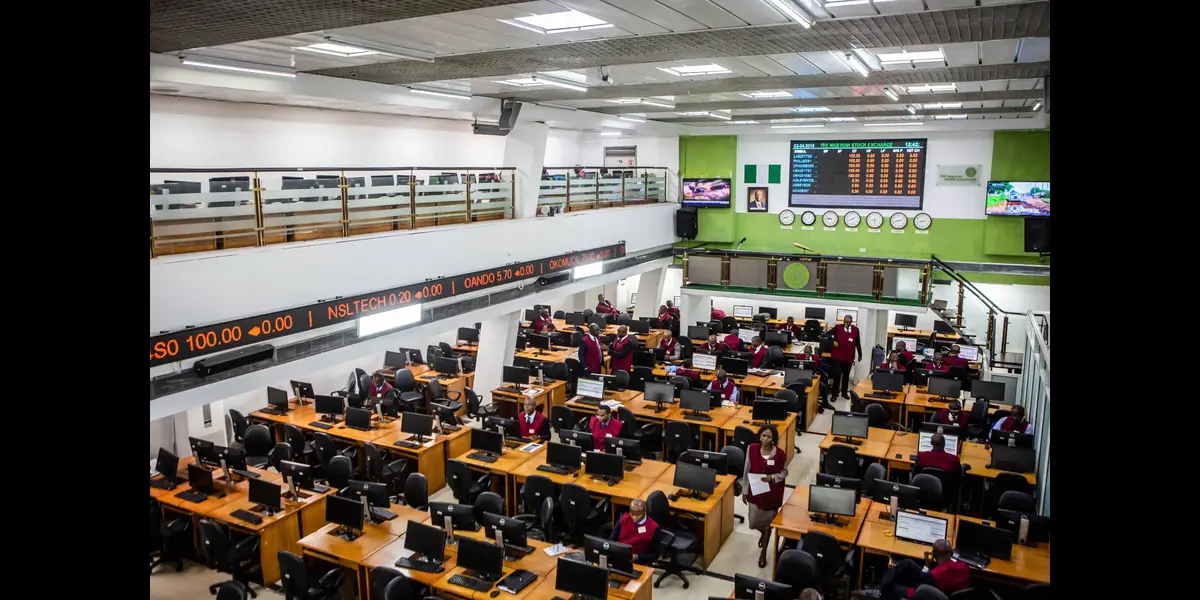
Free float, representing the portion of a company’s shares available for public trading, is a critical determinant of stock market functionality, directly influencing liquidity, price discovery, and investor participation.
On the Nigerian Exchange (NGX), current regulations permit companies to list and remain listed even if they fall short of the 20% free float requirement, provided the value of their free float meets a minimum naira threshold.
Specifically, companies on the Main Board or Premium Board must either maintain a 20% free float held by at least 300 shareholders, or possess a free float valued at N20 billion for the Main Board or N40 billion for the Premium Board.
Many of Nigeria’s largest and most valuable companies, including BUA Foods (around 5%), Dangote Cement (below 10%), and BUA Cement, currently operate with extremely limited shares available for public trading. This situation undermines the objective of a vibrant, liquid stock market.
The Problem with the Value-Based Alternative
The option to substitute the 20% free float requirement with a minimum naira value introduces several market distortions. Firstly, it enables very large companies to list with exceptionally low free floats. For a company with a market capitalisation exceeding N10 trillion, having only 5% or 9% of its shares freely tradable results in a very small number of available shares, leading to low liquidity.
Secondly, a low free float often creates value traps. While some stocks may appear inexpensive based on traditional valuation metrics like price-to-earnings and price-to-book ratios, the scarcity of available shares means prices may not accurately reflect true market demand and supply. Investors purchasing these stocks frequently encounter difficulties exiting their positions without incurring substantial losses, particularly during periods of negative news or market corrections.
Thirdly, a low free float diminishes overall trading activity on the exchange. When the most valuable companies on the NGX have minimal shares available for public trading, daily trading volumes become concentrated in a few stocks. This limits market depth and makes the exchange less appealing to both local and foreign institutional investors who require adequate liquidity for efficient entry and exit.
Why a Strict 20% Free Float is Essential
The NGX should eliminate the option to substitute the 20% free float with a naira value threshold. Implementing a strict 20% free float requirement would yield several significant benefits for the market.
A minimum free float of 20% ensures a reasonable number of shares are consistently available for trading, facilitating easier buying and selling for investors without causing extreme price movements. Higher liquidity attracts more participants, including pension funds, mutual funds, and foreign investors.
With more shares freely tradable, stock prices are more likely to reflect a company’s true value based on supply and demand. Low free-float stocks are often susceptible to manipulation and irrational price movements, as small trades can disproportionately impact share prices.
A mandatory 20% free float would reduce the number of stocks that appear attractive on paper but are challenging to trade in practice. This would instill greater investor confidence in their ability to exit investments when necessary, thereby improving overall market integrity and investor protection.
Furthermore, a higher free float across more companies would naturally lead to increased trading volumes and market activity. This would make the NGX more vibrant and competitive with other African markets, such as the Johannesburg Stock Exchange and the Egyptian Exchange. It would also strengthen corporate governance, as companies with higher free floats tend to have more dispersed ownership, increasing pressure on management for better performance and accountability to a wider shareholder base.
While some may argue that compelling large companies to increase their free float could be challenging or lead to share dilution, companies can achieve this through methods such as secondary offerings, gradual sell-downs of promoter stakes, or strategic share buybacks. The core issue remains that a value-based substitute weakens the 20% requirement, hindering market development. Many developed and emerging markets successfully implement strict free float requirements, typically between 20% and 25%, fostering deeper and more liquid markets. Ensuring meaningful public shareholding is a crucial step for deepening Nigeria's stock market, which remains relatively small compared to its economic size.