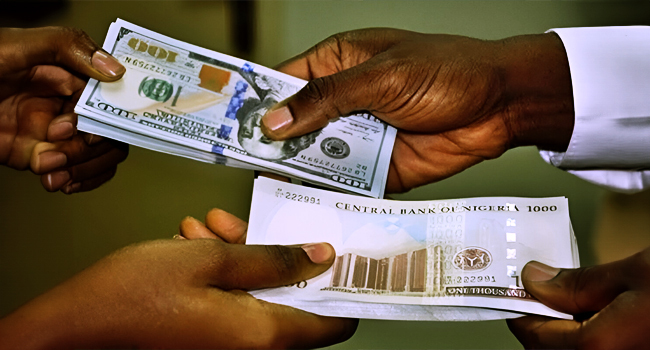
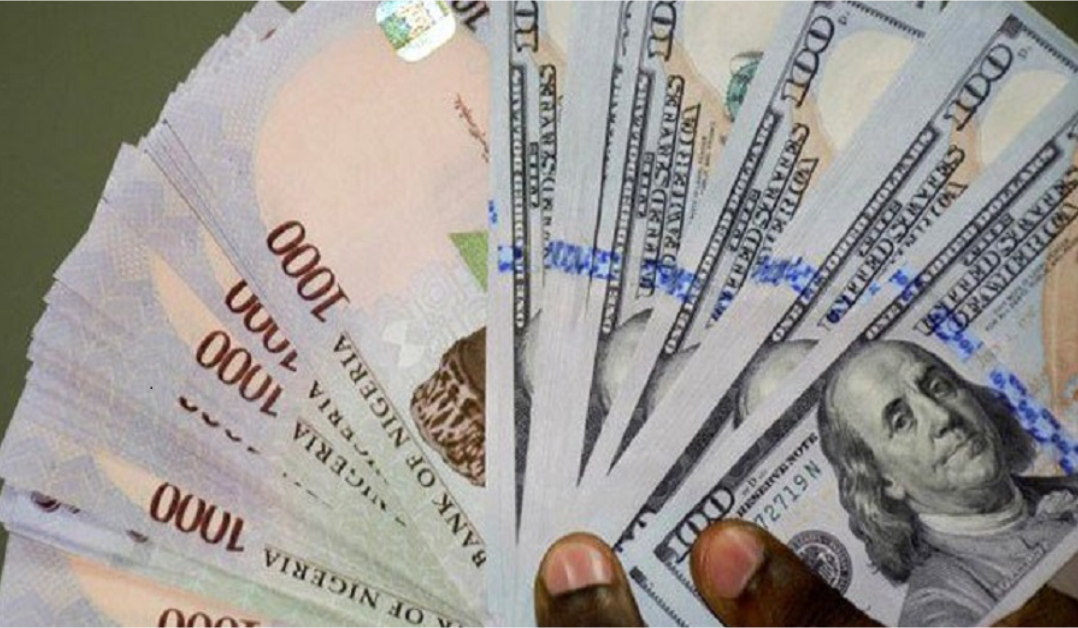
The Nigerian currency is navigating a complex landscape marked by high geopolitical uncertainty in the Middle East and a phase of technical consolidation.
Recent market action showed that the official exchange rate remains around N1,383/$, indicating relative stability compared to the extreme fluctuations seen in previous years.
Psychologically, the Nigerian currency has struggled to break and sustain below N1300/$ in March amid the resurging value and interest in the greenback.
A sustained move above N1,400/$ in the official market could signal a return to N1,450/$.
Since early March, the Naira has traded within a range of N1,352/$ to N1,398/$. This sideways movement suggests that the market is “pricing in‘ current interest rates and waiting for the next major catalyst, such as the upcoming MPC meeting.
The “Bollinger Bands” on the USD/NGN daily chart are narrowing, which usually indicates an impending significant breakout. There is bullish bias toward a downward breakout (N1350/$) given the fundamental trend of decelerating inflation, meaning Naira strengthening, unless oil prices plunge.
The CBN’s foreign exchange reserves, the Nigerian reference crude oil price being below $65 per barrel, and recent efforts to enhance domestic production provided the apex bank more “firepower” to defend the naira against high volatility.
The Nigerian banking sector is undergoing consolidation to establish “sturdier” institutions that are less vulnerable to speculative forex trading, driven by increasing minimum capital requirements for Nigerian banks, which are vital to the forex market.
Additionally, leveraging advancements in ICT and services sectors, the IMF recently revised Nigeria’s 2026 GDP growth estimate to 4.4%. This macroeconomic optimism effectively sets out a “floor’ for the Naira’s value.
U.S Dollar Index Hits 10-Month High
The US dollar approached a 10-month high and was on track for its biggest monthly gain since July last year, amid conflicting signals from the US and Iran that diminished hopes for a quick resolution to the Middle East conflict.
President Donald Trump stated that Iran’s new leaders have been “very reasonable,’ even as more US troops entered the region and Tehran issued a warning that it would not tolerate humiliation.
The euro found some support amid expectations of rate hikes by the European Central Bank. Meanwhile, the yen stayed close to the critical 160 per dollar level after reaching its lowest since Tokyo last intervened to support the currency in July 2024.
This month, the Iranian conflict effectively shut the Strait of Hormuz, a key chokepoint for roughly one-fifth of the world’s oil and gas flows.
Markets reacted sharply, pushing Brent crude toward a record monthly increase. Since early March, the dollar has benefited from its safe-haven status, with higher oil prices negatively impacting Japan and the euro zone but shielding the US.
The Japanese yen strengthened by 0.40 percent to 159.65 per dollar after reaching its lowest since July 2024 at 160.47 during the Asian session. This reversal occurred as Japan threatened yen intervention and hinted that additional currency declines might support a short-term rise in interest rates.
Currency traders will be compelled to increase their bets in line with the Federal Reserve’s (Fed) strict monetary policies this year if oil prices continue to rise. As US gas prices have increased due to rising oil prices, Fed hawkish prospects have already improved.