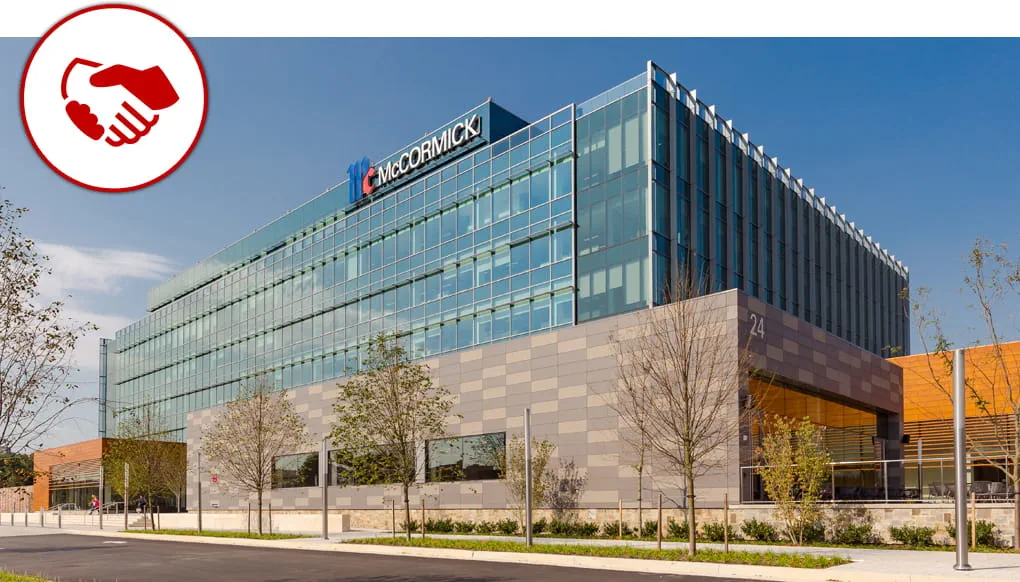
McCormick announced the increase on Tuesday evening, after the close, in a short release that carried no other financial update. Announcements of this kind are routine for the Hunt Valley, Maryland based maker of spices, seasoning mixes and condiments, and that routine is precisely the point: the board has now raised the quarterly payout every year for four decades, through recessions, a pandemic and several rounds of food cost inflation, without breaking the sequence.
A Record Built on Small, Regular Steps
The arithmetic of the streak is conservative by design. A three cent raise on a 48 cent dividend is meaningful income growth for holders, at 6.25%, but it is not the kind of double digit jump that forces a company to choose between the payout and its balance sheet later. Compounded over 41 years, that discipline is what turned a regional spice grinder into one of the longest serving members of the Dividend Aristocrats, the group of S&P 500 companies with at least 25 consecutive years of increases.
For income investors, the dates are the actionable part of the release. Shareholders of record at the close on December 28, 2026 receive the higher rate on January 11, 2027, and the payment covers both classes of McCormick common stock. Chairman, president and chief executive Brendan Foley tied the decision to the company's record of returning cash to shareholders, framing the dividend as a standing commitment rather than a quarterly judgement call.
The Raise Lands in the Middle of a Transformational Deal
The timing gives the announcement a second reading. McCormick agreed in March to combine with the Foods business of Unilever, excluding India and certain other markets, in a transaction that would bring a portfolio of well known condiment and cooking brands under its roof and create a considerably larger flavour group across retail and foodservice. Integration planning has continued through the year, and the company has been open that the combination will materially increase its debt and liquidity needs once it closes.
Raising the dividend while preparing to fund that deal is a deliberate signal. Boards cut or freeze payouts when a large acquisition strains the cash flow plan; they raise them when the plan already assumes the higher distribution. The increase is small enough to cost little against the scale of the transaction, which makes it a cheap and credible way to tell income holders, a large part of this register, that the Unilever combination is not being bought at the dividend's expense. Whether that confidence survives the deal's closing terms and the debt load that comes with them is the question the next few quarters of cash flow statements will answer.