The Lagos State Internal Revenue Service (LIRS) has extended the deadline for filing individual annual tax returns by two weeks. The new deadline is April 14, 2026, moved from the original date of April 1, 2026.
This extension was announced in a statement signed by Monsurat Amasa-Oyelude, head of corporate communications at LIRS. The agency stated that the extension is to provide individuals with additional time to complete and submit accurate tax returns.
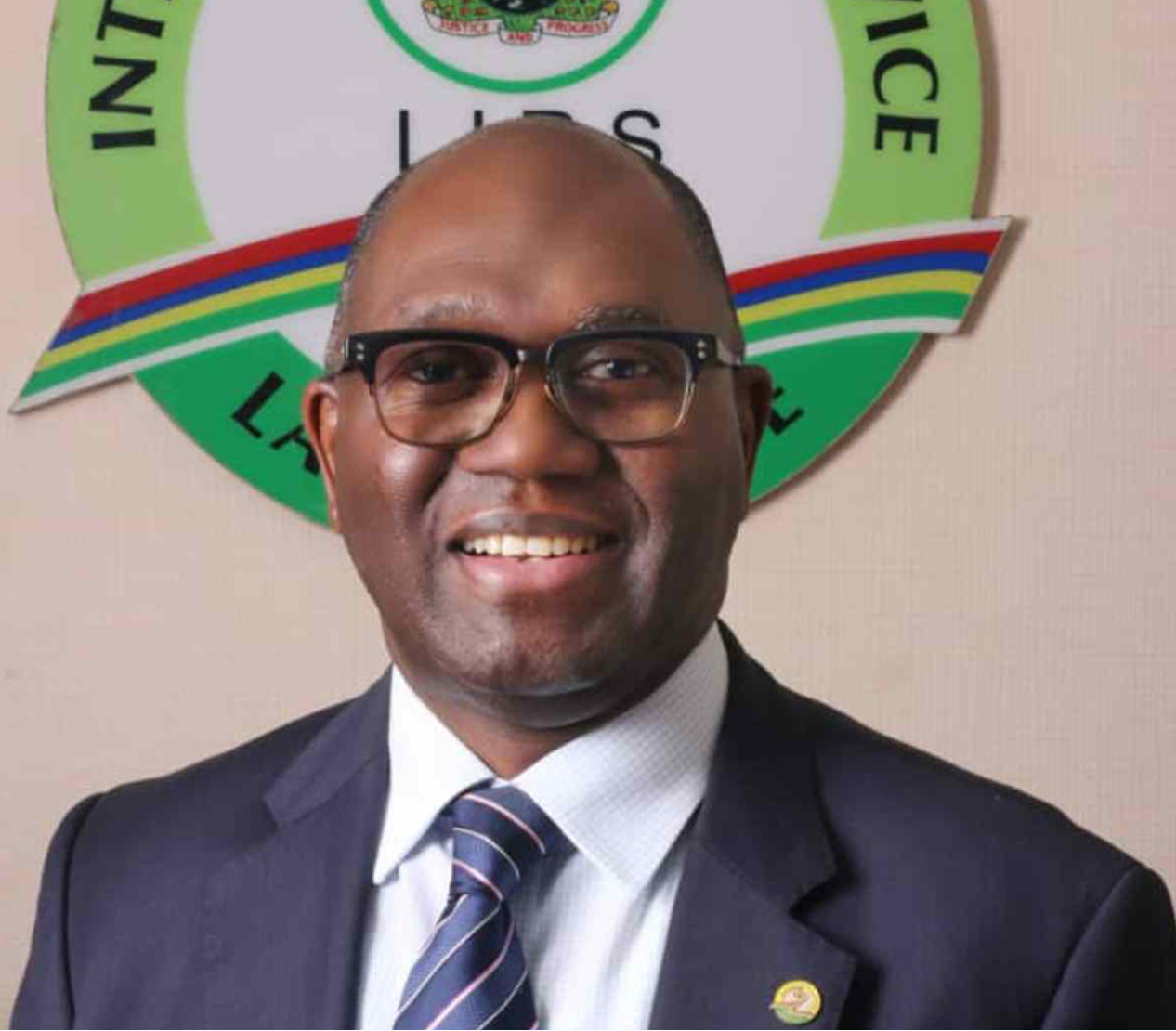
Dr. Ayodele Subair, LIRS Executive Chairman, emphasized the importance of timely filing, encouraging compliance to become a routine personal practice for all taxpayers. He also reiterated that electronic filing through the LIRS eTax platform remains the only approved method, as manual filings have been completely phased out.
Subair also highlighted that taxpayers should verify that their TaxID is accurately reflected in their filings to avoid delays or errors. The LIRS aims to facilitate a smooth and efficient tax filing process for residents of Lagos State.
Previously, in February, the LIRS had reminded individual taxpayers of the March 31 deadline for their 2026 annual tax returns. This filing requirement applies to all taxable persons, including self-employed individuals, business owners, professionals, employees under the pay-as-you-earn (PAYE) scheme, and persons in the informal sector.