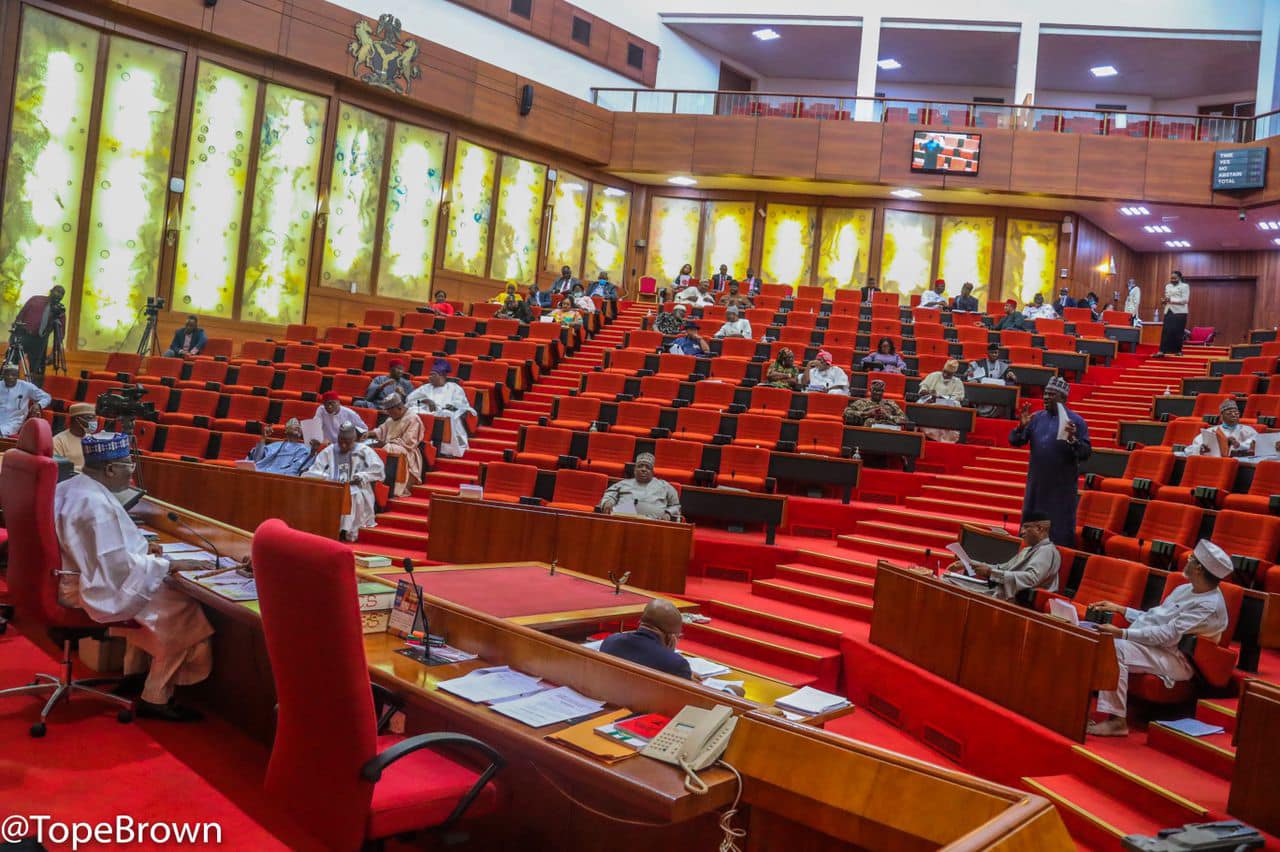
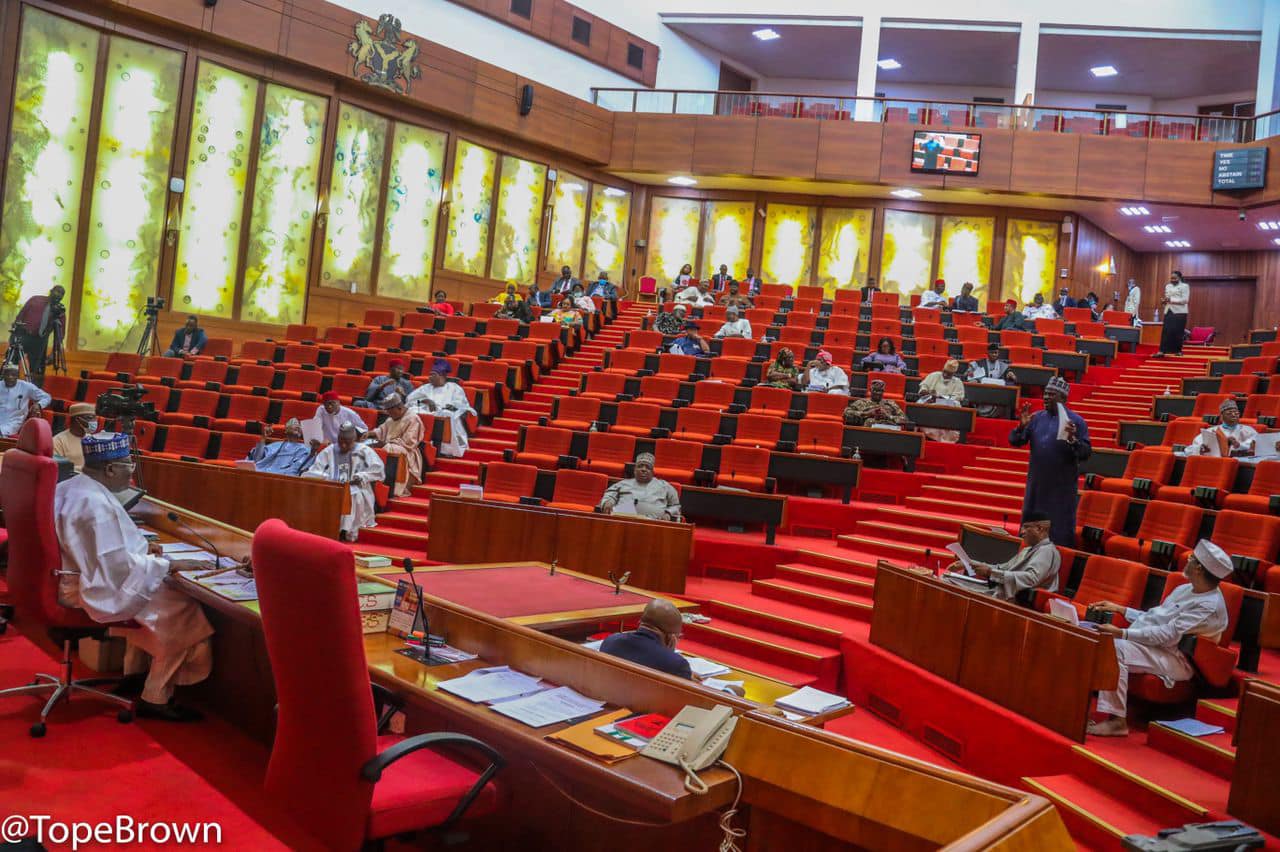
Some senators on Thursday, July 9, 2026, expressed reservations over the sale of Lafarge Africa Plc, Nigeria’s third-largest cement producer, to a Chinese company, Hainan Huaxin Pan-African Investment Company Plc.
Lawmakers raised concerns regarding the transfer of ownership, specifically noting that the identities of major shareholders in the proposed ownership structure were not fully disclosed.
Senate Approves Despite Transparency Concerns
The Senate ad hoc committee, which reviewed the transaction, reported that Lafarge Africa is proposing to sell its 18 per cent market share to Huaxin, with Nigerian public investors holding a combined 16.19 per cent stake in the company.
Committee chairman Abba Moro, while presenting the report during the plenary, recommended that the transaction be allowed to proceed. He also advised that all relevant regulatory authorities continue to monitor compliance with Nigerian laws and regulations.
However, the report did not provide details of the remaining shareholding structure, either under the current arrangement or after the completion of the proposed acquisition.
Senators opposing the sale argued that a transaction involving one of Nigeria’s major cement producers should be conducted with greater transparency, including full disclosure of the company’s ownership structure.
Senator Abdul Ningi, representing Bauchi Central, was the first to question the proposed sale, describing the transaction as insufficiently transparent. He criticised the committee’s report for failing to disclose the complete shareholding structure of the company.
“I would have imagined that the report of the committee should specifically give us shareholding. Sixteen per cent Nigerians, 18 per cent Lafarge, what about the remaining? Who owns that? So, we need to understand where we are coming from. It is when you know who owns the rest that you’ll understand whether Nigerians are benefiting from these sales,” Mr Ningi stated.
Similarly, Senator Danjuma Goje, representing Gombe Central, expressed concerns about Lafarge’s operations in Gombe State, arguing that the company had not sufficiently benefited its host communities. He urged the committee to recommend stricter conditions to compel the company to comply with regulatory requirements and existing agreements.
Senator Yahaya Abdullahi, representing Kebbi North Senatorial District, also called for stronger safeguards to ensure that Nigerians, particularly residents of host communities, derive greater benefits from the transaction.
Official Stance and Company Background
Deputy Senate President Barau Jibrin, who presided over the session, maintained that the chamber could only act on the recommendations contained in the committee’s report. He added that anyone seeking additional details about the transaction could obtain them through the Freedom of Information (FOI) Act.
The Deputy Senate President subsequently put the committee’s recommendations to a voice vote, with the majority of senators supporting them. The Senate thereafter approved the transaction.
Lafarge Africa, a major player in Nigeria’s cement industry, is a subsidiary of Holcim AG, a multinational building materials company listed on the Swiss stock exchange. Lafarge Africa itself is listed on the Nigerian Exchange (NGX).
Holcim AG is reportedly finalising plans to sell its 83.8 per cent stake in Lafarge Africa to China’s Huaxin Cement Co. in a deal valued at about $1 billion, subject to regulatory approvals.
The proposed sale was first debated on the floor of the Nigerian Senate in March 2025, when Senator Shuaib Salisu sponsored a motion to address issues such as lack of transparency in the divestment process and limited access to the deal for Nigerian investors.
During that debate, senators were divided, with some cautioning against interfering in legitimate private-sector transactions and foreign investment, while the majority stressed the need for regulatory oversight.
The Senate had previously directed the Bureau of Public Enterprises (BPE) and Securities and Exchange Commission (SEC) to ensure the sale aligns with Nigeria’s economic and national security interests. It also mandated its Capital Market Committee to liaise with all relevant agencies for proper scrutiny.
After the Capital Market Committee submitted its report recommending approval, some senators remained dissatisfied, leading to the establishment of the ad hoc committee chaired by Mr Moro for a further review.
Lafarge Africa has numerous factories in Nigeria, with cement operations in the South-west (Ewekoro and Sagamu in Ogun State), North-east (Ashaka, in Gombe State), and South-south (Mfamosing, Cross Rivers State). It also has Ready-Mix operations in Lagos, Abuja and Port Harcourt, boasting a current installed cement production capacity of 10.5 metric tonnes per annum.