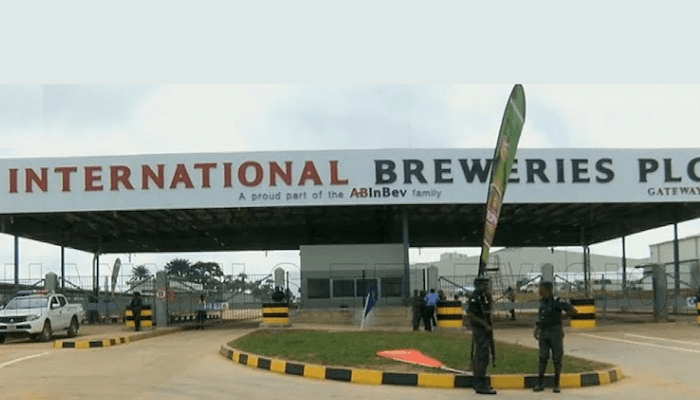
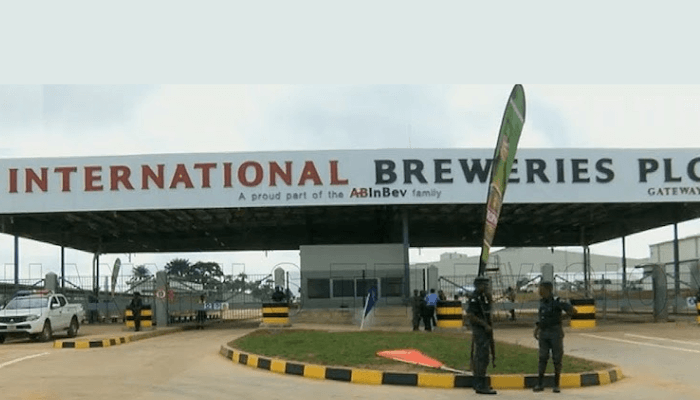
International Breweries is moving forward with plans to address the substantial accumulated losses that have kept its retained earnings in negative territory since 2019. The core of this strategy involves a share capital reduction, which the beer maker intends to implement after securing shareholder approval at its upcoming annual general meeting.
The company disclosed in a statement on Thursday that it proposes to reconstruct its share capital by eliminating negative retained earnings and returning excess capital. This transaction will be executed under Section 131 of the Companies and Allied Matters Act, 2020 (as amended), subject to regulatory approval and confirmation by the Federal High Court.
Following the announcement, shares in International Breweries saw a significant boost, accelerating by 10 per cent, the maximum daily gain permitted by the bourse, at market close.
Nigeria’s second-largest brewer reported its first profit in seven years last year, following the 2016 takeover by its new majority shareholder, AB InBev. However, the company faced considerable difficulties between 2017 and 2025.
These challenges stemmed from the diluting impact of legacy negative net losses from entities that merged to form the larger International Breweries under new ownership. Additionally, foreign exchange losses from a dollar squeeze during the Covid-19 pandemic and the far-reaching consequences of Nigeria’s currency reforms in the four years to 2024 exacerbated its financial woes.
Accumulated losses, which reached N191 billion last year, have been a significant obstacle to dividend payments. To tackle this, the company announced its intention to allocate a portion of its share premium account balance to clear these losses.
This strategic move is expected to place International Breweries on track to restore distributable reserves, thereby improving its prospects of declaring cash rewards for shareholders. Once the balance sheet is cleared of negative retained earnings, the company will consider further paring down the cash in the share premium account to facilitate a return of capital to shareholders.
The amount payable per ordinary share will be distributed on a pro rata basis, determined with reference to the total amount approved by the Board of Directors for distribution from the share premium account, the company added.