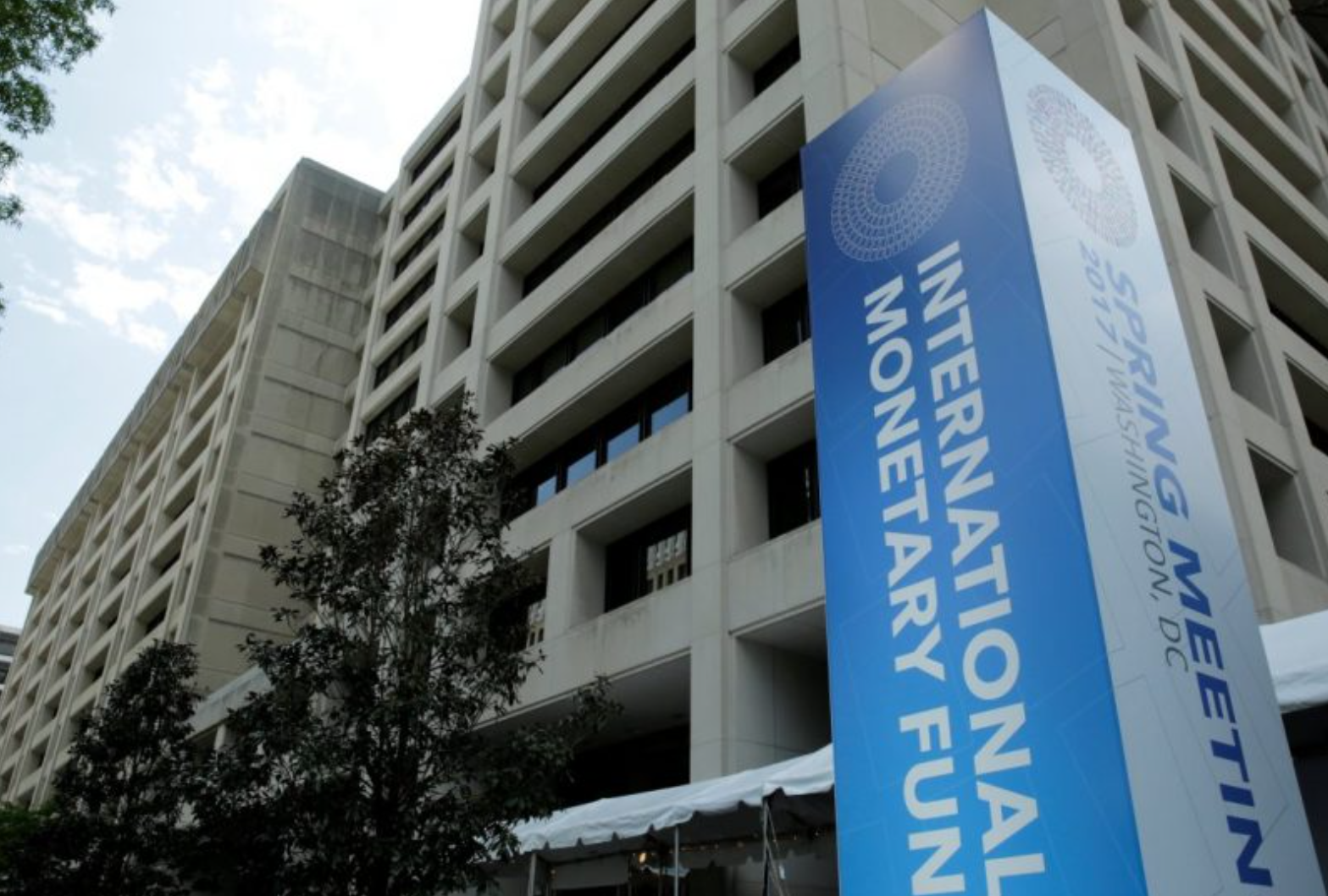
The Alliance for Economic Research and Ethics LTD/GTE has voiced strong opposition to the International Monetary Fund’s (IMF) recent recommendations for new taxes on telecommunications and fuel. The group contends that these measures, detailed in the IMF’s 2026 Article IV Consultation Report, risk exacerbating Nigeria’s existing cost-of-living challenges.
While acknowledging Nigeria's ongoing revenue mobilization difficulties, the Alliance highlighted that the IMF’s proposals could impose significant additional financial burdens on both households and businesses. This concern is particularly acute given the current climate of elevated inflation and rising living expenses.
The think tank described the IMF’s latest fiscal suggestions as familiar measures that carry potential adverse social and economic consequences. They argued that Nigeria cannot afford policy missteps that would further strain its citizens.
The Alliance noted that Nigeria's tax-to-GDP ratio saw a slight increase, moving from 7.9% in 2022 to 8.2% in 2023. However, this figure remains considerably lower than the African average of 16.1%, underscoring the nation's persistent revenue generation challenges.
According to IMF projections, the proposed tax measures, if implemented, could boost government revenue by an additional 3.9% of GDP within a three-year timeframe. Further administrative reforms are estimated to contribute another 3.1%.
Despite these potential revenue gains, the Alliance cautioned that the IMF’s recommended solutions could lead to detrimental economic outcomes, labeling them a “lethal prescription” for an economy already contending with numerous pressures and vulnerabilities.
Previously, the IMF had advised the Nigerian government to implement excise duties on telecommunications services and extend Value Added Tax (VAT) to fuel products as part of broader efforts to enhance revenue. The Fund indicated that additional tax policy reforms would likely be necessary to create sufficient fiscal space for development spending and social interventions.
The IMF's suggestions included increasing the VAT rate, rationalizing tax expenditures, and introducing telecom excises to complement administrative improvements. This comes after past policy shifts, such as the Nigerian Midstream and Downstream Petroleum Regulatory Authority's (NMDPRA) suspension of a proposed 15% ad-valorem import duty on Premium Motor Spirit (PMS) and Automotive Gas Oil (AGO) in November 2025. President Bola Tinubu had earlier approved a 15 percent ad-valorem import duty on diesel and petrol, a move that oil marketers warned would increase product prices.
In its Article IV consultation, the IMF also acknowledged the persistent poverty in Nigeria, despite improvements in macroeconomic conditions. The report indicated that rising global prices for fuel, food, and fertilizer, while potentially boosting Nigeria’s export earnings and fiscal revenues, could also intensify inflationary pressures and worsen conditions for vulnerable households.