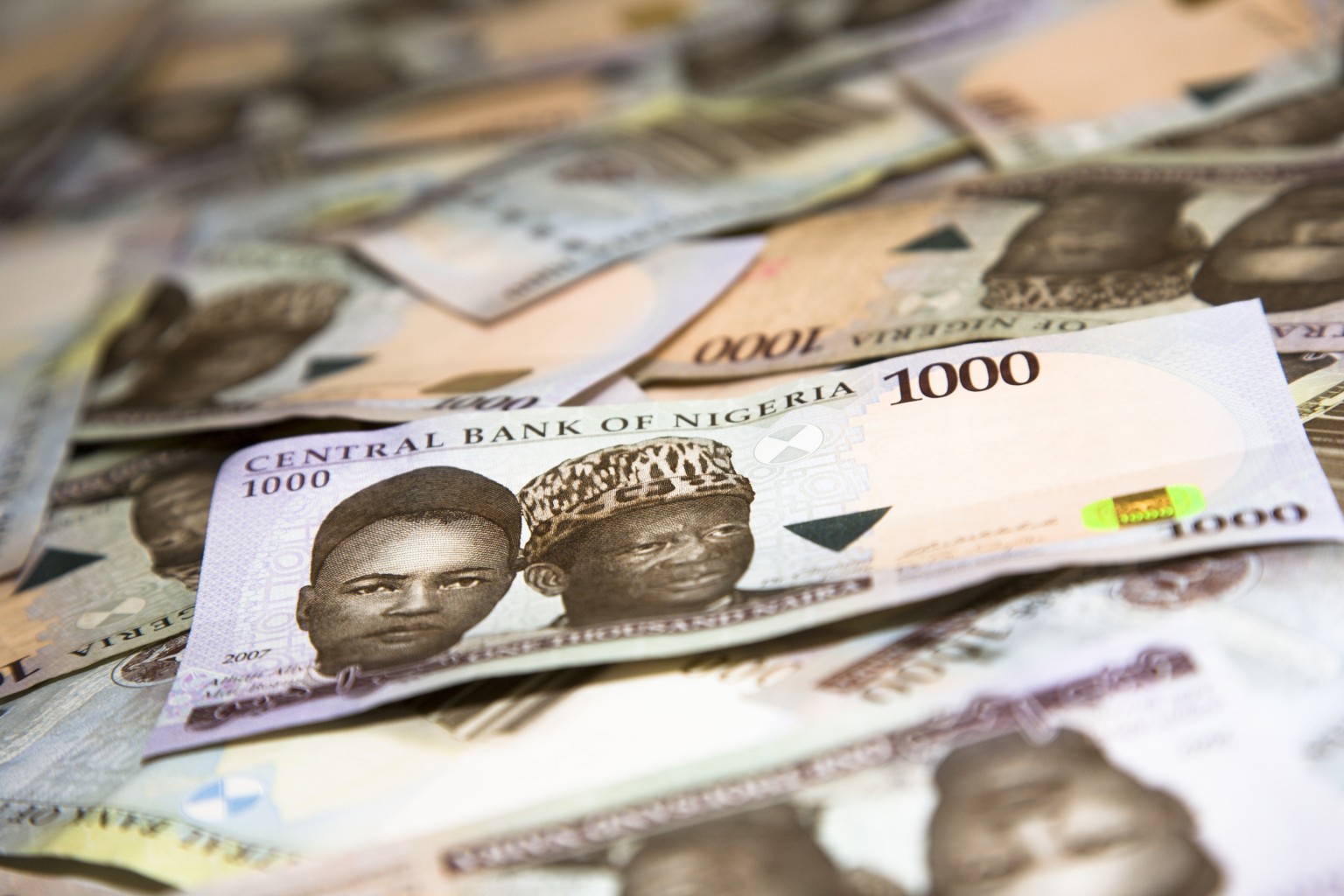
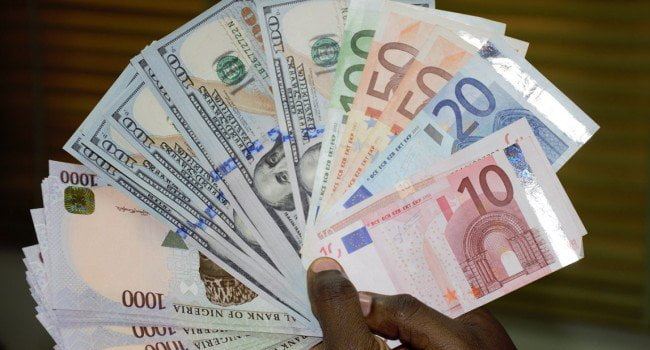
Economic experts have warned that Nigeria's capital importation inflows may reverse if the Central Bank of Nigeria (CBN) shifts its monetary policy too quickly.
Nigeria's capital importation surged to $6.44 billion in Q4 2025, pushing total inflows for the year to $23.22 billion. This figure is almost double the $12.32 billion recorded in 2024, according to the latest data released by the National Bureau of Statistics (NBS).
The increase is attributed to ongoing economic reforms, attractive high-yield investment opportunities, and speculation ahead of the 2027 elections.
Experts say this convergence of factors is reshaping foreign portfolio flows, signaling both opportunities and risks for the country’s financial markets.
The sharp rise has sparked debate: is this momentum the result of deliberate policy success by the CBN, or early investor positioning ahead of the 2027 elections?
Analysts point to a mix of economic reforms, elevated yields, and political considerations as the key drivers behind the record inflows.
While portfolio inflows dominate, questions remain about the sustainability of this growth and the balance between short-term and long-term investments.
What they are saying
Experts who spoke to Nairametrics attribute the surge in capital inflows to reforms implemented by the CBN, particularly exchange rate unification, tighter monetary policy, and FX market liberalisation.
These measures have boosted investor confidence and improved liquidity in the foreign exchange market.
- Sam Ogbaraku, portfolio manager at Kwik Securities Ltd, said, “Nigeria appears to be back in business” as reforms take hold.
- Bashir Gidado Gawu of Sirdick Capital added, “Portfolio inflows have likely been supported by improved confidence.”
The improved FX market environment has made it easier for investors to enter and exit Nigeria’s markets, a key consideration for foreign portfolio investors.