President Bola Tinubu has affirmed the Federal Government's commitment to delivering a 1.1 million metric tonne fertiliser programme to farmers in 2026. This initiative is a key component of the administration's strategy to enhance food security and boost agricultural productivity across the nation.
Tinubu stated that the target remains achievable despite significant pressures on the global fertiliser market, exacerbated by conflicts in the Middle East. These global disruptions have threatened supplies in numerous countries.
The President highlighted that his administration is fulfilling its election promises to support Nigerian farmers, reduce import dependency, and build a more resilient agricultural sector through targeted interventions across the fertiliser value chain.
As of May 2026, more than 449,000 metric tonnes of fertiliser inputs, equating to approximately 9 million bags, had been secured. Ten vessels have either discharged their cargo or are currently in transit.
Progress is attributed to reforms under the Presidential Fertiliser Initiative (PFI), now restructured under the Ministry of Finance Incorporated (MOFI). These reforms have strengthened procurement processes, secured critical raw materials, and improved coordination within the fertiliser value chain, shielding local blending plants from global supply disruptions.
Nigeria's fertiliser sector has seen substantial expansion, boasting over 90 operational fertiliser blending plants, which represents the largest blending capacity in Sub-Saharan Africa. This growth is fostering job creation, supporting local manufacturing, and enhancing the resilience of Nigeria’s food system.
Beyond production, the government is focused on ensuring timely access for farmers through the Renewed Hope Farm Input Support Programme (RH-FISP), managed by the National Agricultural Development Fund (NADF). Under this programme, 515,720 bags of locally produced fertiliser are being distributed to 128,930 smallholder farmers across 25 states and the Federal Capital Territory during the current planting season.
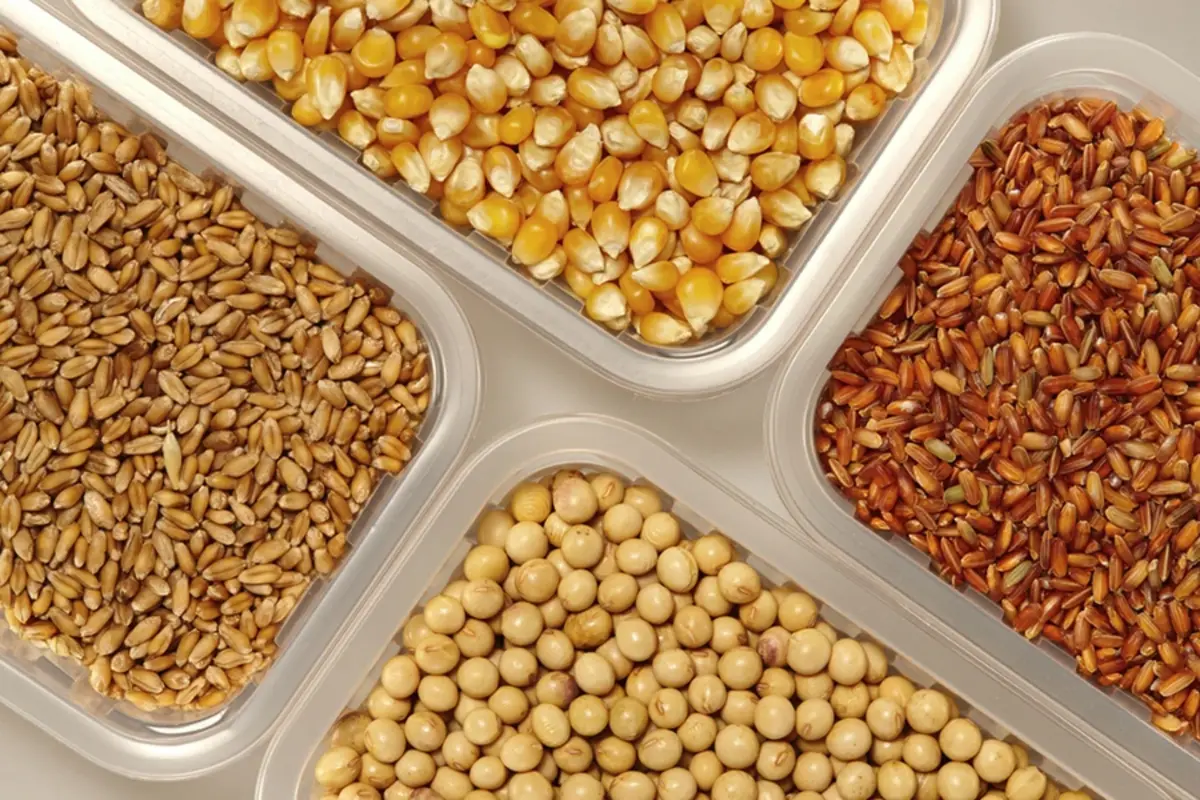
The NADF is also promoting modern farming practices via digital extension services, harmonised fertiliser application guidelines, and targeted support for key crops like rice, maize, cassava, and soybean. Strategic contracting arrangements for fertiliser inputs generated savings of N61.58 billion in 2026 alone, contributing to more affordable fertiliser prices for farmers amidst global economic pressures.
Nigeria possesses one of the largest fertiliser production capacities on the continent, with an estimated annual installed capacity of about 16 million metric tonnes, far exceeding the domestic consumption of around 2 million metric tonnes annually. Private sector investments are expected to drive significant future growth in production capacity.