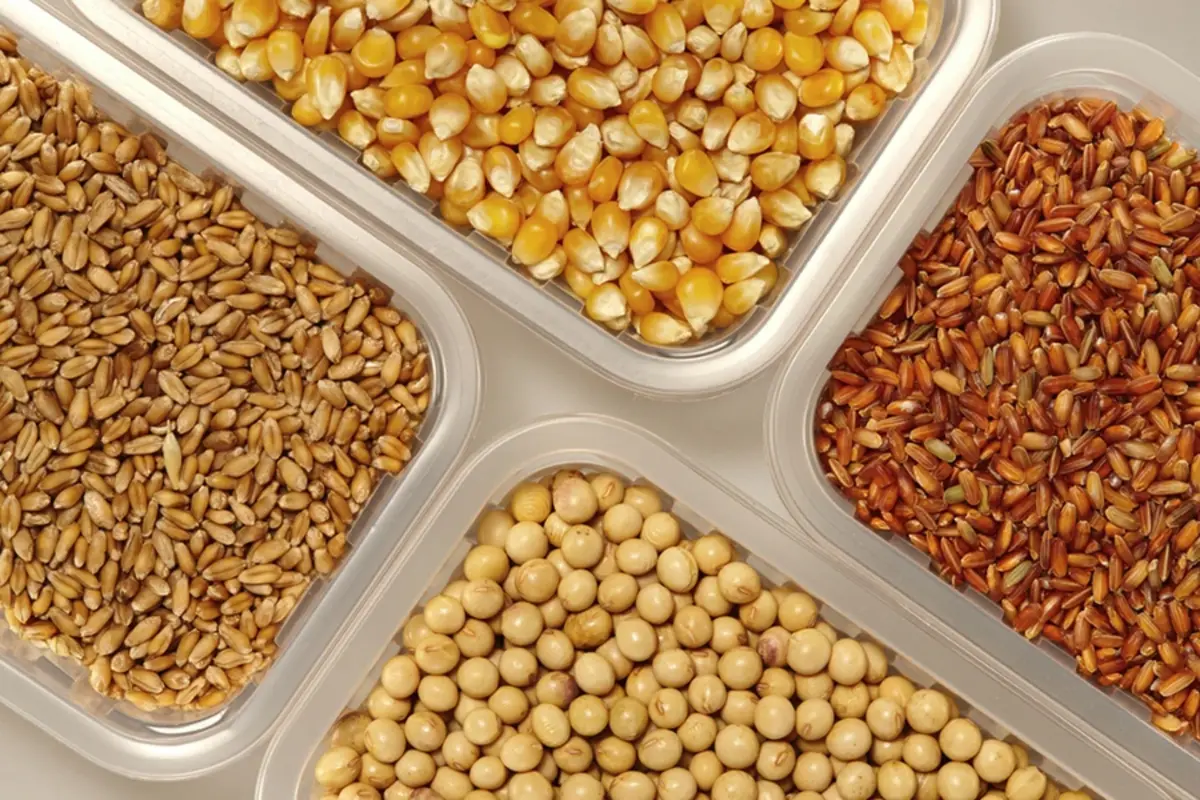
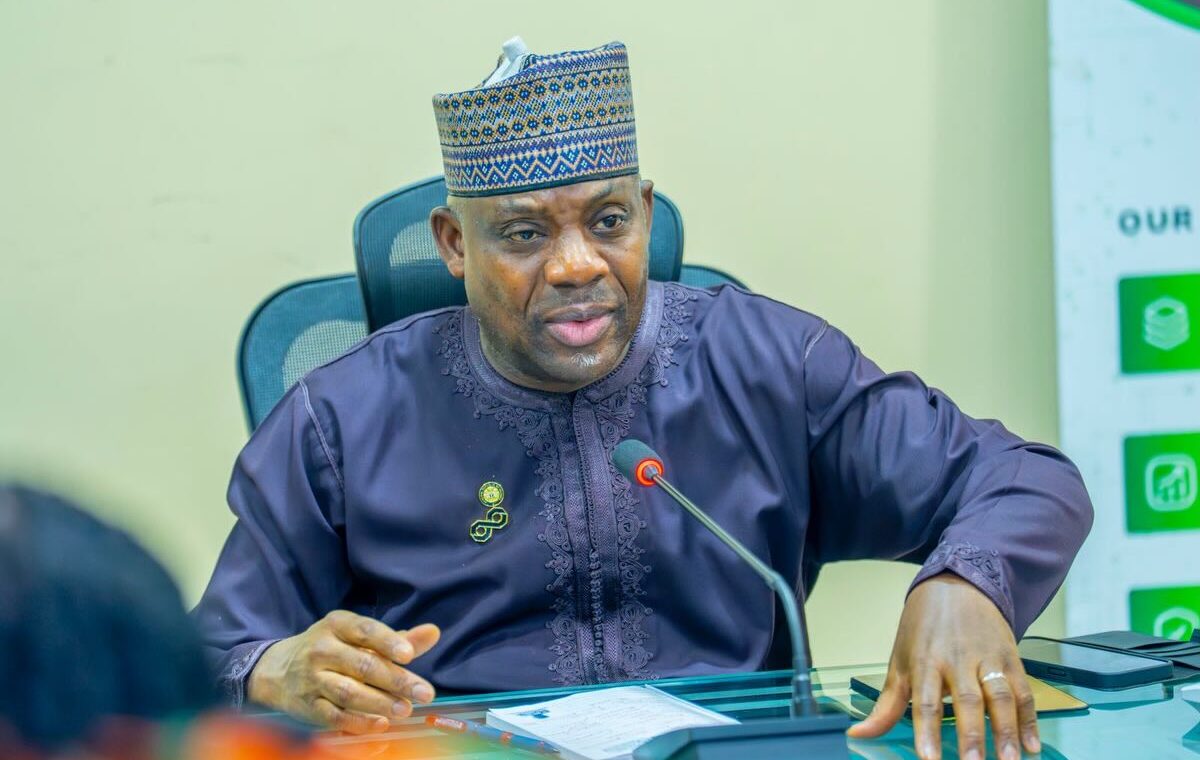
The Bank of Agriculture (BOA), in partnership with the Federal Government, has launched the Renewed Hope Smallholder Agricultural Financing Programme. This initiative, unveiled on Friday, July 18, 2026, aims to significantly boost Nigeria’s annual grain production from approximately 11 million tonnes to 25 million tonnes.
The programme is designed to enhance food production, improve national food security, mitigate rising food prices, and provide smallholder farmers across the country with access to affordable financing.
Mr. Ayodeji Oludare-Sotinrin, Managing Director of BOA, stated at the unveiling of the Renewed Hope Smallholder Support and Value Chain Fund in Zaria that the programme would supply farmers with subsidised fertilisers, certified hybrid seeds, and other essential agricultural inputs.
These inputs will be financed through BOA’s 9% lending facility, rather than distributed as grants, ensuring affordability for farmers while maintaining the sustainability of the intervention. Oludare-Sotinrin emphasized that this approach is designed to sustainably increase productivity and strengthen national food security.
BOA selected 20 farm aggregators from over 1,240 applicants based on their technical competence and operational capacity to support farmers in participating states during the pilot phase. The first phase is expected to reach about 500,000 farmers during the current farming season.
The bank plans to expand coverage to two million farmers next year and ultimately scale up to five million farmers nationwide. Oludare-Sotinrin noted that if five million farmers cultivate one hectare each and achieve yields of at least five tonnes per hectare, Nigeria could generate around 25 million tonnes of grain annually for domestic consumption and export.
This projected increase in output is expected to reduce food imports, stabilise local food prices, strengthen food security, create jobs in rural communities, and support broader economic growth. The BOA chief also revealed plans to introduce irrigation financing and irrigation-as-a-service initiatives to support all-season farming, improve productivity, increase farmers’ incomes, and reduce dependence on rain-fed agriculture.
Beneficiaries are urged to use the inputs strictly for agricultural purposes, avoid diversion or resale, comply with extension service guidelines, and ensure timely repayment of loans to sustain the revolving financing model.
Earlier, Senator Abubakar Kyari, the Minister of Agriculture and Food Security, reiterated the Federal Government’s commitment to tackling food inflation through increased domestic production rather than food imports. Kyari explained that food affordability is largely driven by supply and demand dynamics, stressing that expanding agricultural output through timely access to quality inputs remains a key pillar of the Tinubu administration’s food security strategy.
The minister confirmed that about two million farmers would benefit from the programme through registered farm aggregators. These aggregators will provide quality inputs, extension services, and a Guaranteed Minimum Price mechanism designed to protect farmers from exploitative market practices after harvest.
Kyari highlighted that nearly 90% of Nigerian farmers cultivate less than one hectare, yet they produce about 85% of the country’s food, making sustained support for smallholders essential to food security. He expressed confidence that improved seed varieties, weather-based advisory services, timely input distribution, and guaranteed pricing would boost agricultural productivity, lower food prices, and enhance farmers’ earnings.
In May 2026, BOA proposed a nationwide partnership with members of the House of Representatives to mechanise arable land across Nigeria’s 360 federal constituencies. This proposal, presented by BOA Managing Director Ayodeji Oludare-Sotinrin, seeks to accelerate the transition from subsistence farming to large-scale mechanised agriculture as part of efforts to transform the country’s agricultural sector.