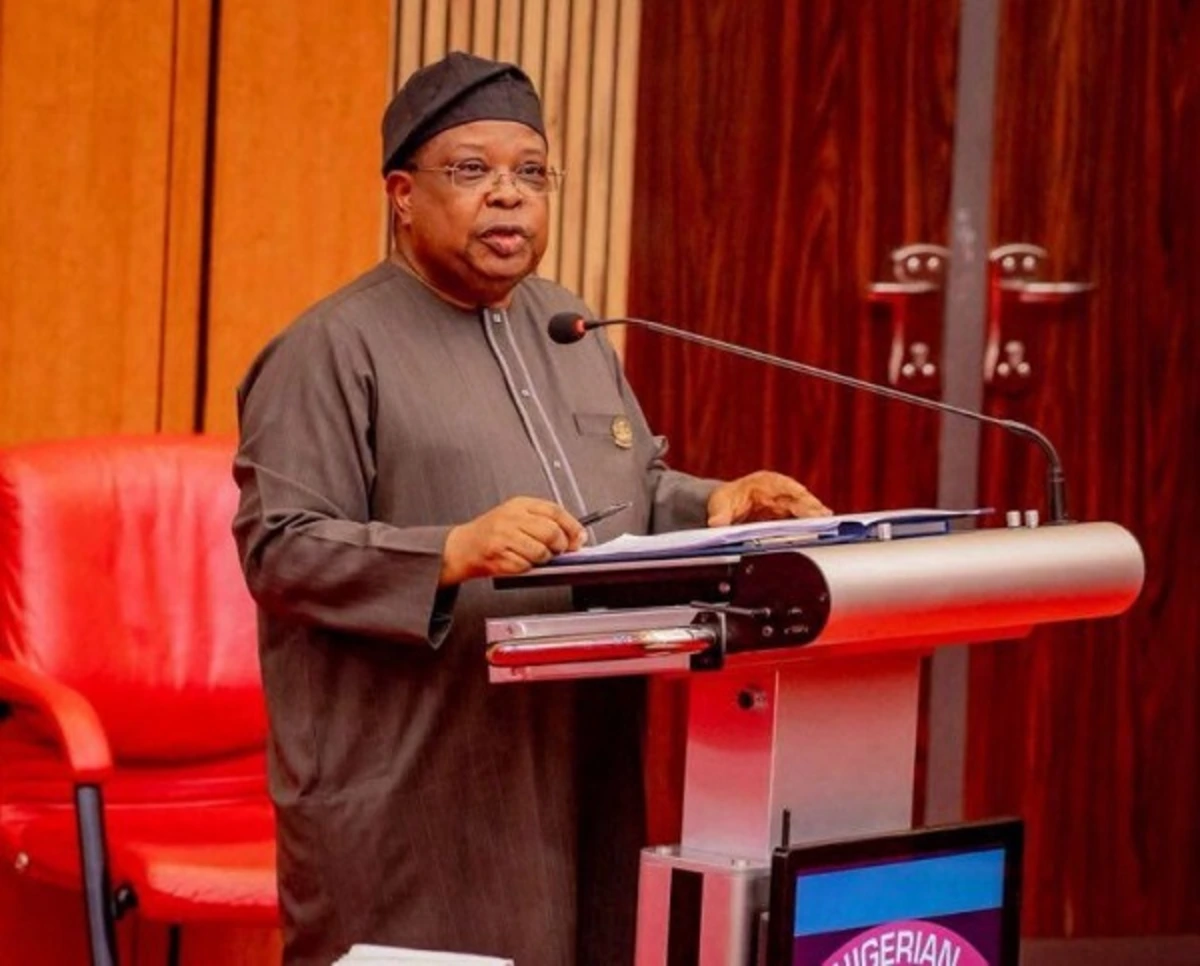
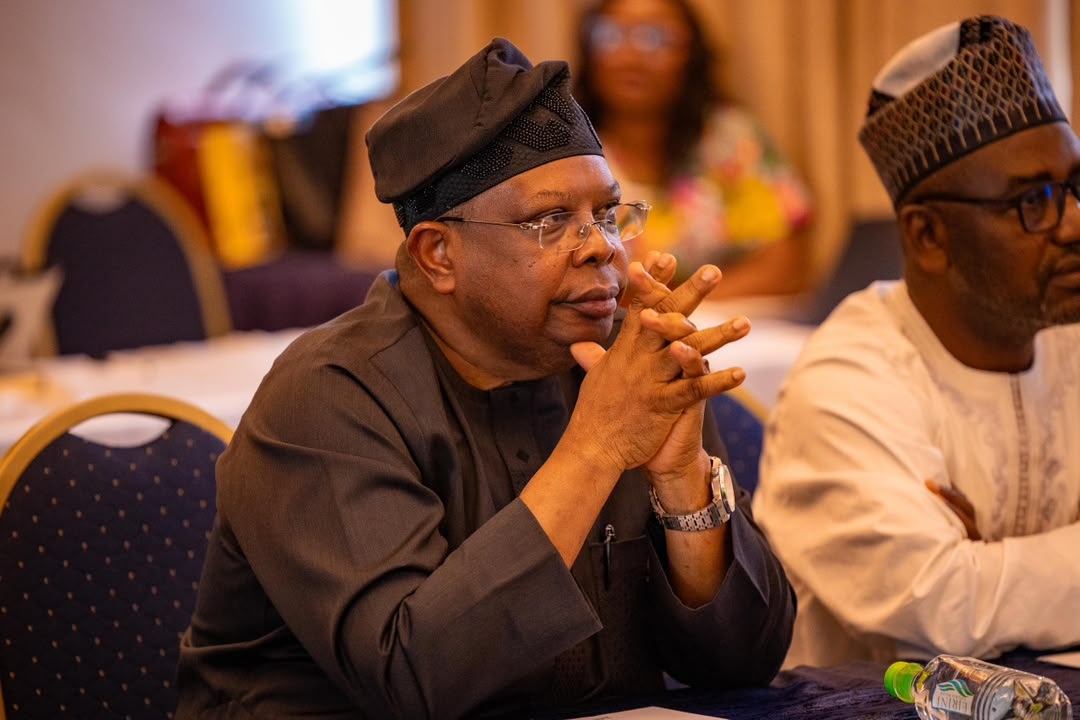
The Federal Government has ruled out any immediate increase in electricity tariffs. Minister of Power, Joseph Olasunhanmi Tegbe, disclosed this during a media stakeholders’ session in Lagos on Friday, July 31, 2026.
Tegbe stated that the government is currently focused on improving electricity supply, closing the metering gap, strengthening transmission infrastructure, and restoring investor confidence. He emphasized that there is no policy by the current administration to increase tariffs beyond their current levels in the immediate term.
Focus on Metering and Infrastructure Audit
The Ministry of Power has launched the Power Force initiative, which will bring together 5,000 Nigerian youths to support meter installation nationwide. This program, supported by the National Power Training Institute of Nigeria, aims to accelerate universal metering so consumers only pay for the electricity they actually consume.
To address operational vulnerabilities, the government will also undertake the first comprehensive technical audit of Nigeria’s national transmission network. This audit is designed to identify ageing assets, overloaded substations, weak transmission corridors, and protection failures to guide future investment decisions.
Debt Settlement and Market Liquidity
The government's decision comes alongside ongoing efforts to resolve the financial challenges of the Nigerian Electricity Supply Industry. In April 2026, President Bola Tinubu approved a N3.3 trillion payment plan to settle outstanding debts under the Presidential Power Sector Financial Reforms Programme.
This follows the framework concluded in October 2025 for a N4 trillion government-backed bond to settle arrears owed to generating companies and gas suppliers. In January 2026, the government issued an inaugural N501 billion bond under the Presidential Power Sector Debt Reduction Programme, followed by a second tranche of N729 billion announced on July 20, 2026.
While generating companies have disputed claims that N2.8 trillion represents a final settlement, the Ministry of Power remains optimistic. Tegbe noted that enhanced operational coordination and better engagement across the value chain are already producing measurable improvements in grid stability.