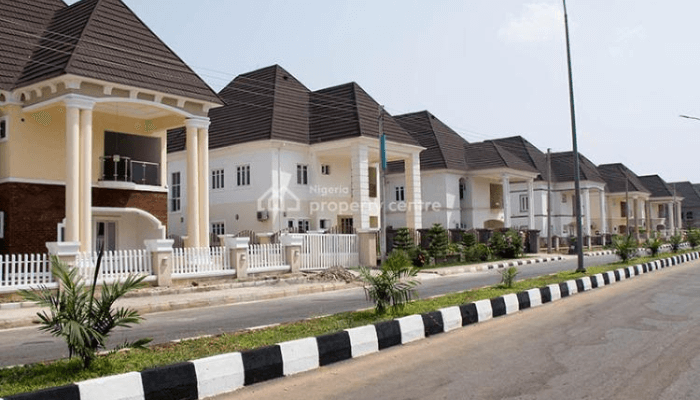
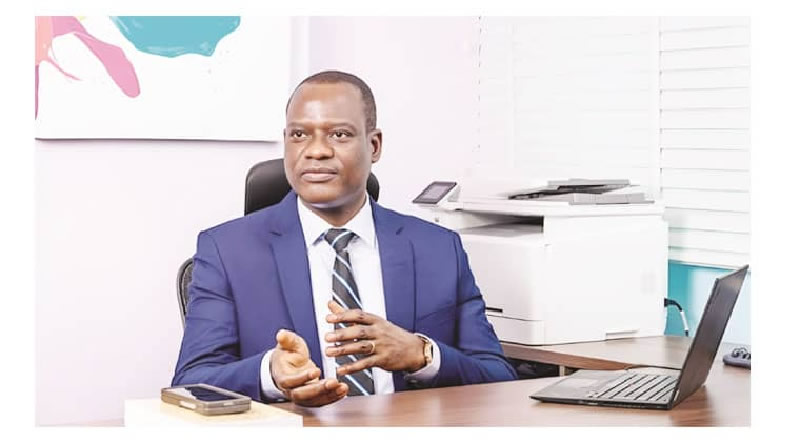
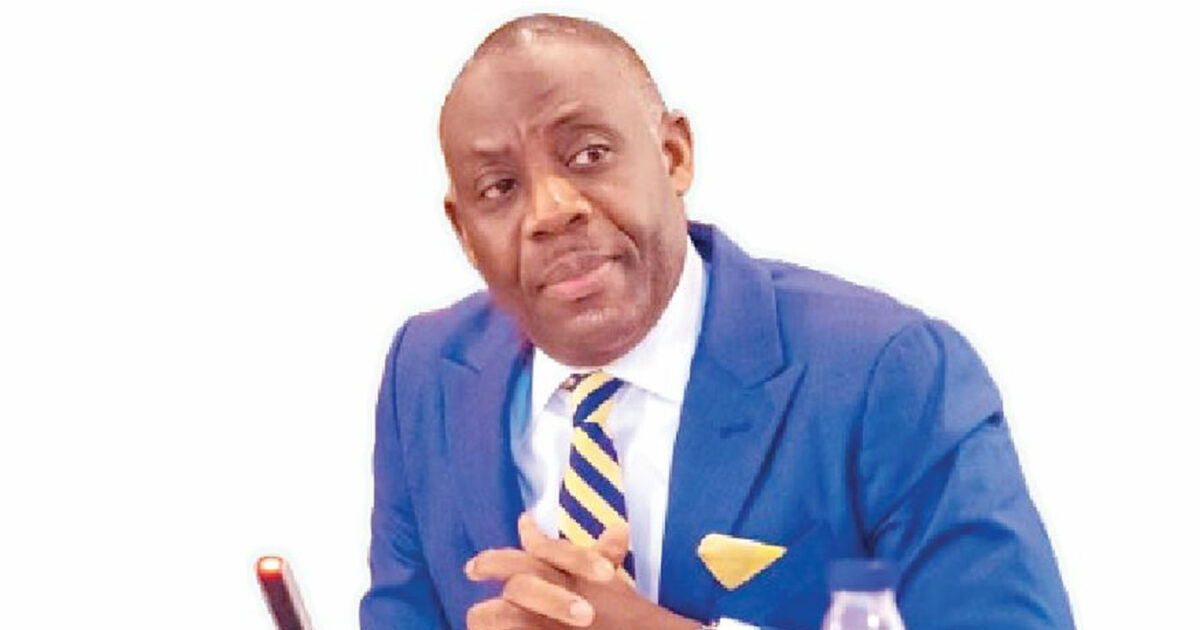
The federal government on Thursday, July 23, 2026, unveiled a comprehensive package of housing reforms at the BusinessDay Abuja Real Estate Conference. A key directive mandates the Federal Mortgage Bank of Nigeria (FMBN) to allocate at least 40% of annual National Housing Fund (NHF) contributions towards mortgage financing.
Mustapha Rabe Darma, Minister of Housing and Urban Development, stated at the conference that FMBN must increase its annual mortgage disbursements from about 500 to at least 2,000. This move aims to significantly expand home ownership across the country, attract private investment, and address Nigeria’s substantial housing deficit.
The ministry is finalizing a comprehensive regulatory framework for the housing and built environment, which will be presented to stakeholders before approval by the Federal Housing Council. These reforms include developer licensing, escrow protection for homebuyers’ funds, professional registration, and stricter construction quality control.
Further reforms encompass land value capture, urban renewal initiatives, land readjustment programmes, and the establishment of a National Housing Industry Data Observatory. This observatory will monitor approvals and sector performance, ensuring data-driven policy implementation. The minister emphasized that these policies are designed to be stakeholder-driven, not imposed from above, and are open for extensive consultation.
Minister Darma also expressed concern over Nigeria’s worsening rental market, citing the National Bureau of Statistics’ 2019 Living Standards Survey, which indicated that about 49% of urban residents live in rented accommodation. He condemned arbitrary rent increases and the conversion of residential buildings into commercial properties, identifying this trend as a growing national challenge affecting cities like Port Harcourt, Lagos, and Abuja.
To combat this, the ministry is developing modern tenancy legislation, a national rent registry, and stronger enforcement mechanisms. These measures are intended to protect tenants and preserve affordable housing options. The ministry’s National Housing Data Committee has estimated Nigeria’s housing deficit at 14.9 million units, with another 14 million Nigerians residing in substandard housing.
The federal government will soon launch the Renewed Hope Social Housing Scheme, designed to deliver 200 housing units in each of Nigeria’s 774 local government areas. This initiative targets teachers, primary healthcare workers, and other vulnerable citizens. Darma urged developers, financiers, investors, professional bodies, and tenant associations to actively participate in the stakeholder engagement process to strengthen the proposed reforms.
Akintoye Felix Adeoye, National President of the Real Estate Developers Association of Nigeria (REDAN), highlighted that Nigeria’s housing deficit and rapid urbanization necessitate practical policies that translate into affordable housing projects. He called for stronger collaboration among government, investors, and the private sector to mobilize financing and accelerate housing delivery.
Frank Aigbogun, Publisher and Chief Executive Officer of BusinessDay Media Limited, represented by John Osadolor, Managing Editor, noted that Nigeria requires stronger public-private collaboration to bridge its estimated 28 million-unit effective housing shortage. He attributed the widening housing gap to rapid population growth, rising construction costs, weak mortgage penetration, and inadequate infrastructure.
Aigbogun described the conference, themed “From Policy to Projects: Mobilising Capital for Sustainable Real Estate Development in Abuja,” as a strategic platform for policymakers, investors, and industry players to align policy, financing, and execution. He expressed hope that the conference would provide a credible national platform for shaping policy dialogue, mobilizing capital, and driving actionable solutions for sustainable real estate and urban development in Abuja.