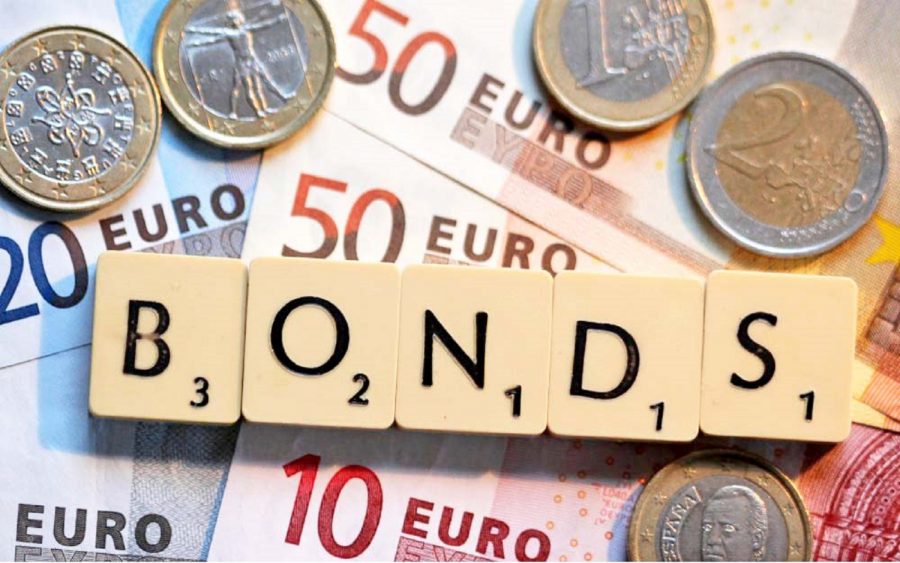
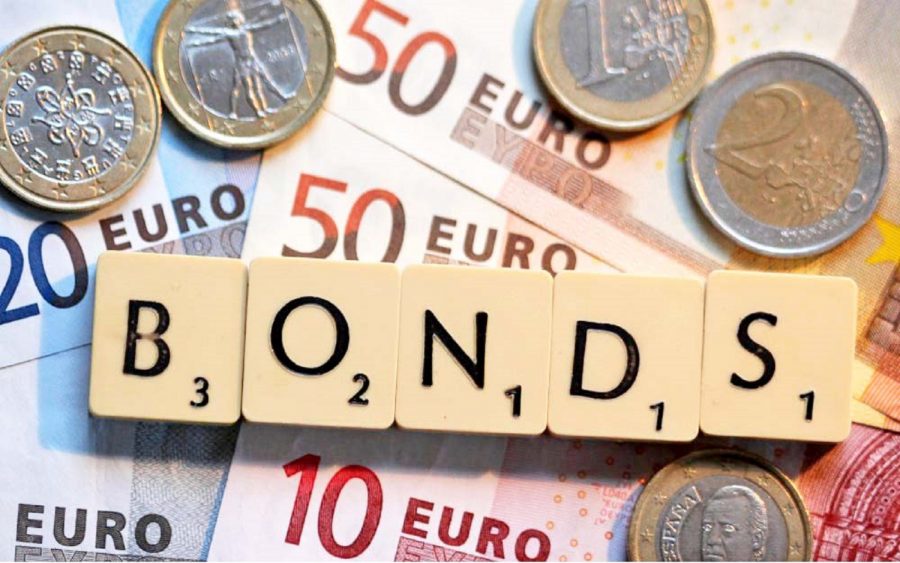
The Federal Government has commenced preparations for its first Eurobond issuance since November 2025. This move involves inviting banks and professional advisers to express interest in supporting a potential international debt sale, signaling Nigeria’s return to the global capital market.
The Debt Management Office (DMO) announced an open competitive bidding process to appoint Transaction Advisers (TAs). This is to facilitate a potential Eurobond transaction in the international capital market.
DMO Seeks Transaction Advisers
The DMO stated, “The Debt Management Office (DMO), on behalf of the Federal Government of Nigeria (FGN) seeks to appoint Transaction Advisers (TAs) to advise the FGN on a potential Issuance of Eurobonds in the International Capital Market (ICM) through Open Competitive Bidding.”
Reputable banks and firms across various advisory categories have been invited to submit Expressions of Interest (EOI) and prequalification documents. The deadline for proposals is July 13.
Broader External Financing Strategy
The proposed Eurobond issuance is intended to complement Nigeria’s broader external financing strategy. The government aims to diversify funding sources and manage its debt profile effectively.
This planned issuance follows Nigeria’s recent $5 billion Total Return Swap (TRS) financing arrangement with First Abu Dhabi Bank PJSC. Nigeria has already accessed about $1.5 billion from this facility in recent weeks.
The government has indicated that these external borrowings are intended to support budget financing and refinance existing obligations. A successful Eurobond issuance would provide another avenue for the country’s financial needs.
Improved Credit Profile Supports Issuance
Nigeria’s improving sovereign credit profile could bolster investor interest in any upcoming Eurobond issuance. Last month, S&P Global Ratings upgraded Nigeria’s sovereign credit rating by one notch to ‘B’.
This marked the country’s first ratings upgrade by the agency in 14 years. S&P cited higher oil prices, improved domestic refining capacity, and exchange-rate reforms as key drivers behind the upgrade.
The enhanced credit outlook may strengthen Nigeria’s access to international capital markets and potentially lower borrowing costs for future external debt issuances.