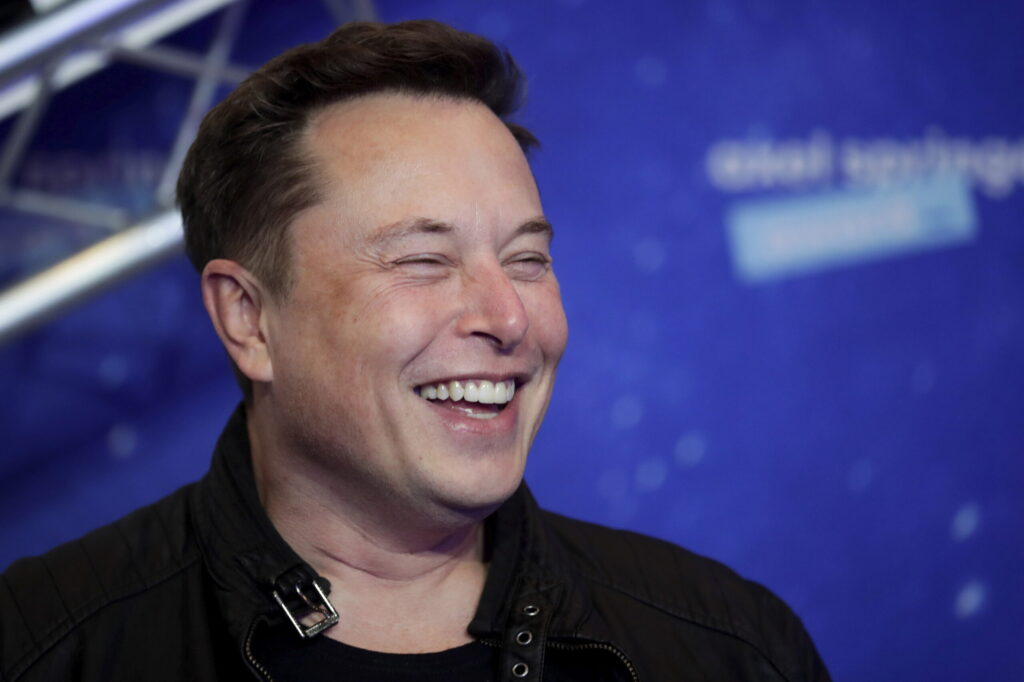
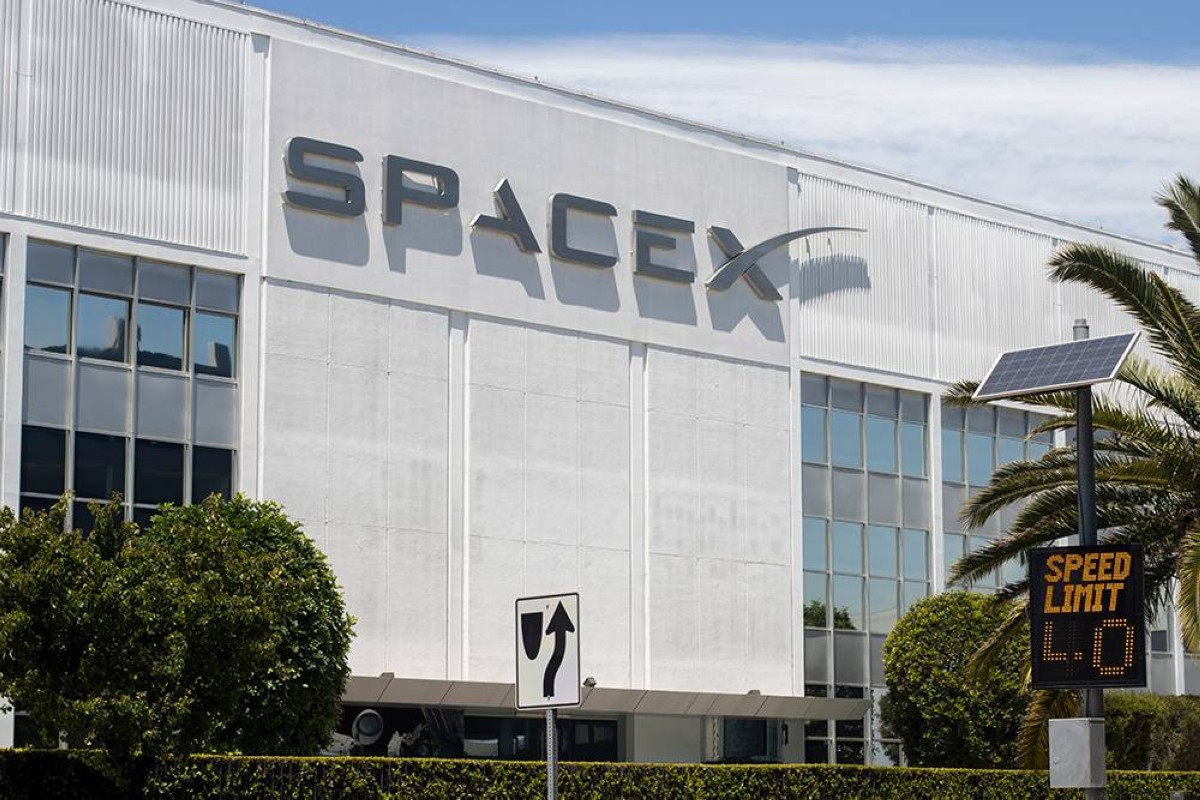
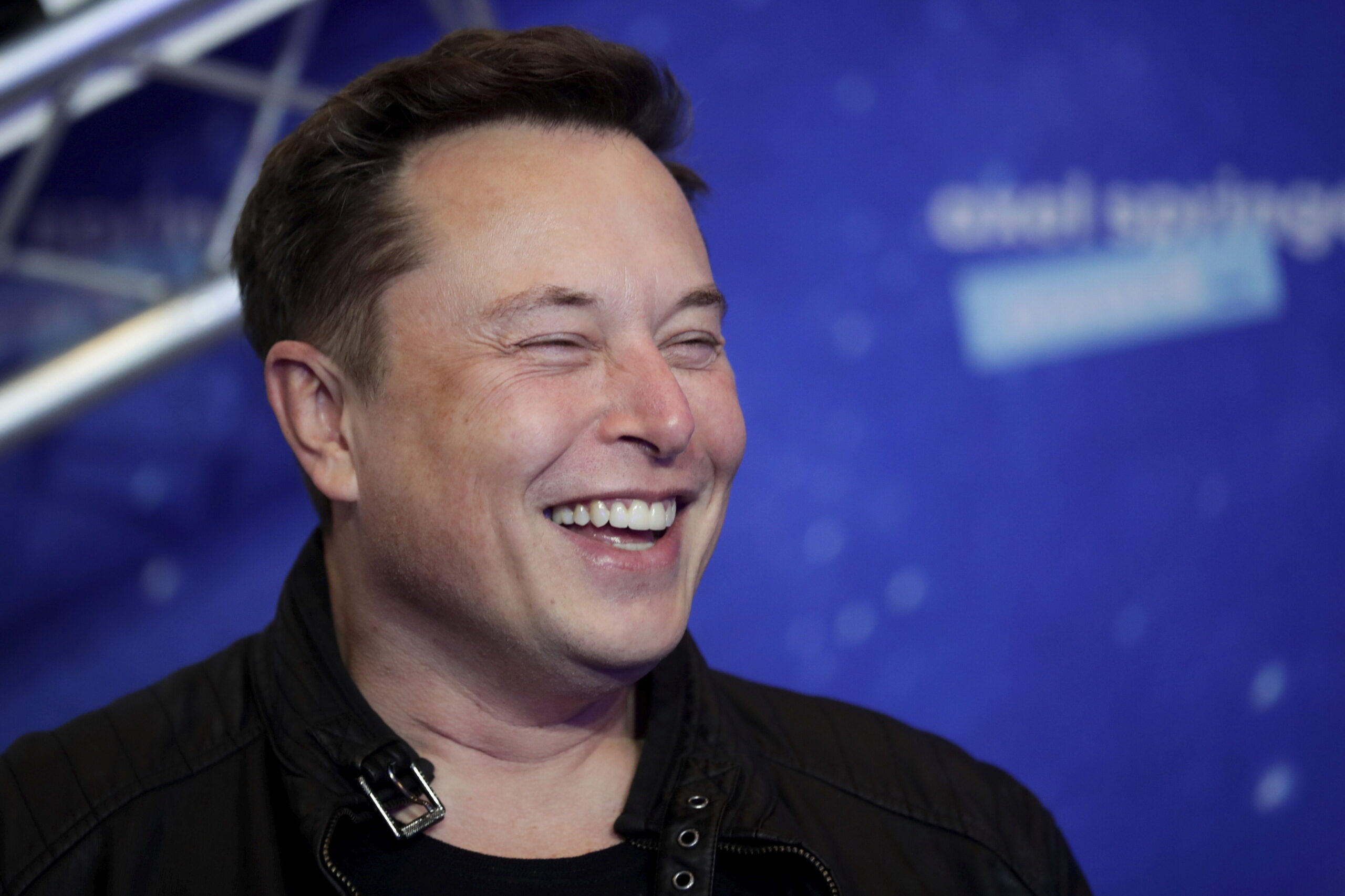
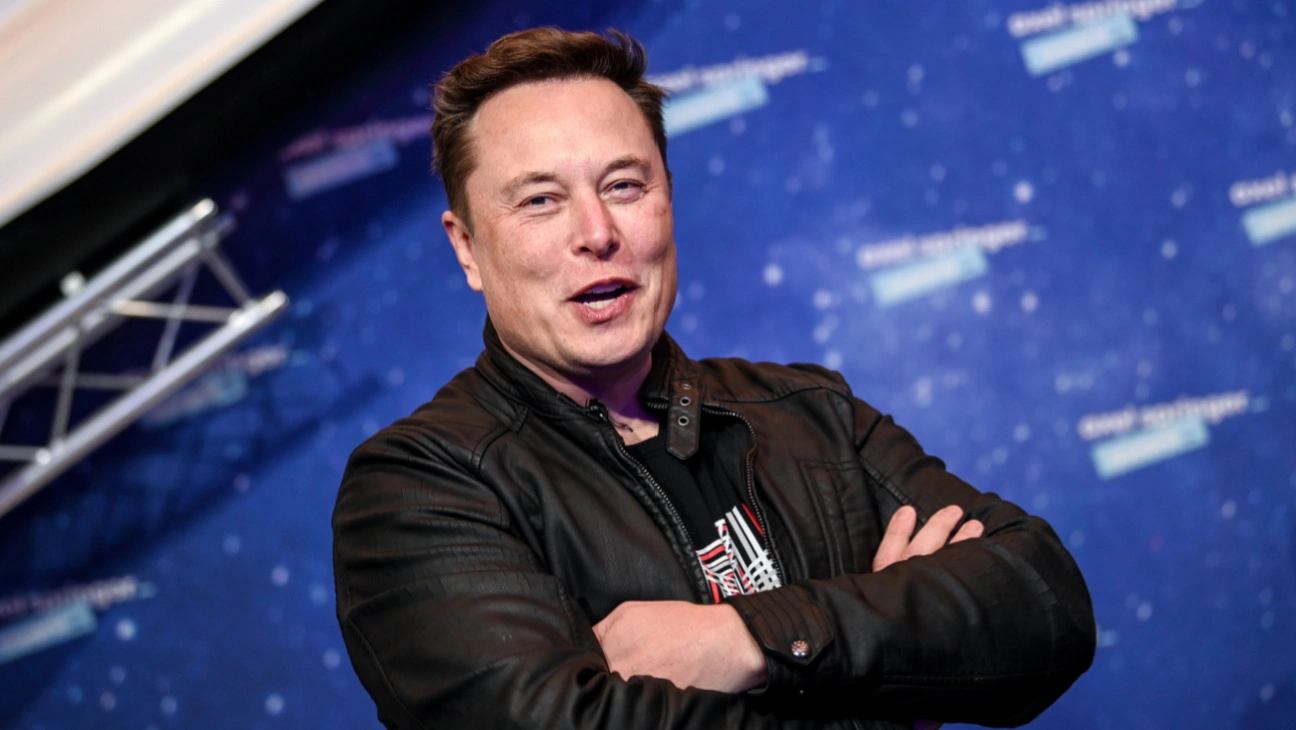
Elon Musk has officially become the world's first trillionaire, with his net worth soaring to an estimated $1.1 trillion. This milestone was largely propelled by the blockbuster initial public offering (IPO) of his company, SpaceX, which saw its shares surge 20% on its debut on the Nasdaq, reaching a valuation of $2.1 trillion.
SpaceX's IPO, priced at $135 per share, closed at $161, making it the largest stock market debut ever and raising over $75 billion. The company's shares traded under the ticker symbol "SPCX." Despite reporting a loss of nearly $5 billion last year, SpaceX's valuation places it among the top publicly traded companies in the United States.
Musk's current wealth is substantial, reportedly nearing the entire economic output of countries like Switzerland or Poland. His diversified portfolio includes significant stakes in Tesla, SpaceX, xAI, and X (formerly Twitter), companies that have been instrumental in building his fortune since his early ventures with Zip2 and PayPal.
The dramatic rise of Musk's wealth, particularly through publicly traded entities like SpaceX and Tesla, offers a stark contrast to the structure of wealth held by many of Africa's richest individuals, including Nigerian billionaires. While Musk's net worth is largely liquid in public equities, allowing for broad participation from retail investors and employees through mechanisms like Employee Stock Ownership Plans (ESOPs), Nigerian elite capital is often concentrated in tightly held legacy conglomerates.
This structural difference has significant implications for local capital markets. The Nigerian Exchange (NGX) faces challenges with structural illiquidity, as many of Nigeria's largest companies are not widely floated. This limits the ability of ordinary Nigerians to participate in the growth of these major economic sectors, leaving them more exposed to currency fluctuations and wage declines.
Experts suggest that Nigerian billionaires could emulate Musk's model by adopting widespread ESOPs for employees and by floating a larger percentage of their companies' equity on the stock exchange. For instance, allowing engineers, drivers, and plant workers at major industrial firms to hold equity could foster wealth distribution and circumvent corruption. Similarly, democratizing share ownership by reserving micro-lots for ordinary Nigerians could invigorate the NGX, transforming it from a shallow market into a more resilient one.
The concentration of wealth in a few hands, while a large portion of the population struggles, creates a fragile societal ecosystem and diminishes the velocity of money. In contrast, widespread reinvestment of dividends by numerous small investors can stimulate local economies through increased spending on education, transportation, healthcare, and micro-enterprises.
In a separate development, Elon Musk has also faced criticism regarding content amplified on his platform X, formerly Twitter. Researchers from the Centre for Countering Digital Hate (CCDH) reported that violent narratives he amplified in relation to anti-immigrant riots in Belfast garnered millions of views, with Musk's posts contributing significantly to this reach. The CCDH stated that Musk's amplification played a role in spreading anti-migrant narratives, prompting calls for violence, and highlighted his responsibility as owner and most-followed user of X.