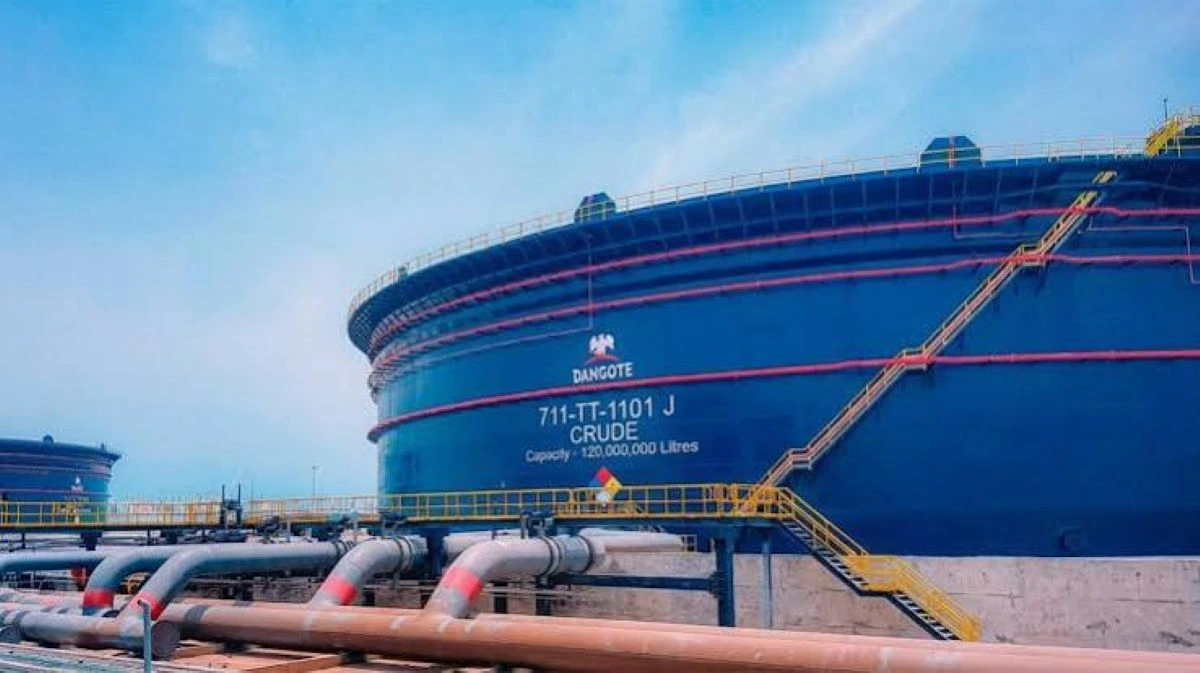
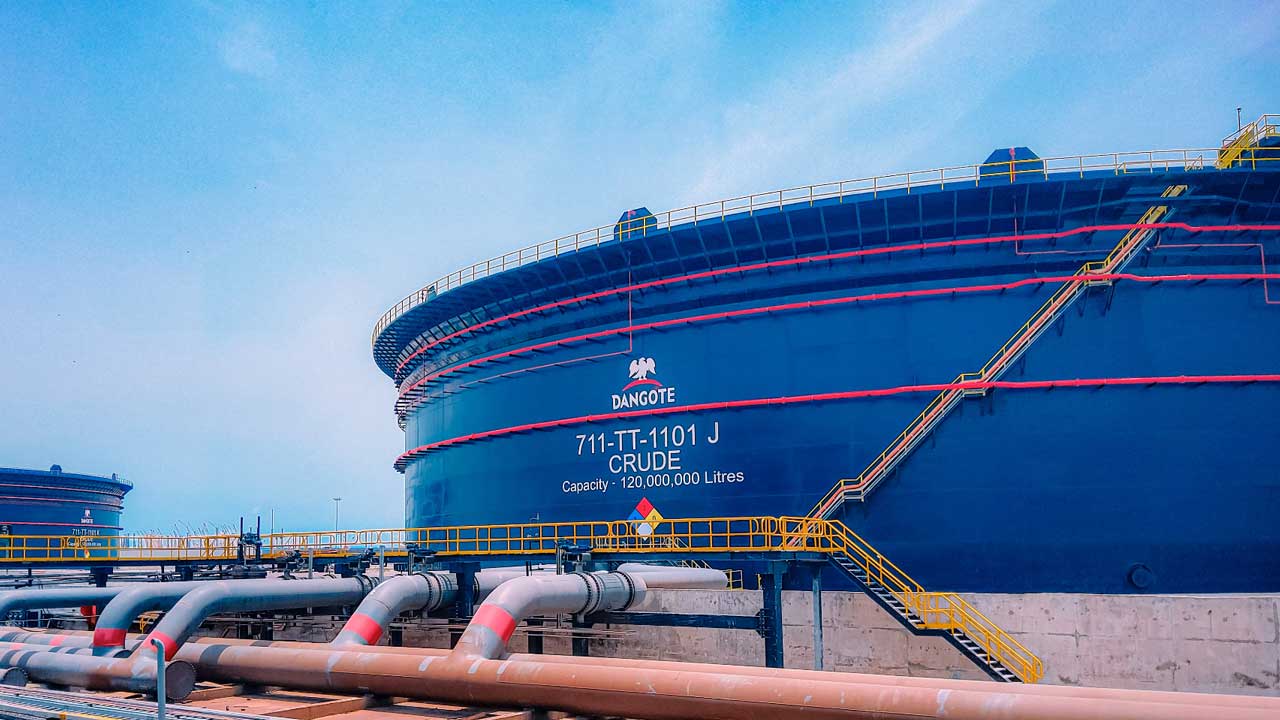
Nigeria’s aviation fuel market has undergone significant changes over the past year, driven by the emergence of domestic refining capacity, shifting global Jet A1 market dynamics, and geopolitical tensions that have reshaped aviation fuel pricing. While the commencement of supply from the Dangote Refinery has improved domestic availability and eased the scarcity that once disrupted airline operations, pricing remains closely linked to international fuel benchmarks, foreign exchange dynamics, and local distribution costs.
To provide deeper insight into these issues, Nairametrics sat down with Toyin Leo-Olagbaiye, General Manager, Aviation at Ardova Plc, for an exclusive interview on the country’s Jet A1 market, discussing the evolving supply landscape, pricing dynamics, market structure, logistics, and the outlook for aviation fuel in Nigeria.
Lagos Dominates Jet A1 Consumption
Lagos is the dominant hub, accounting for between 60 to 70 percent of all Jet fuel supplied into-plane across Nigeria. The volume for a single uplift varies enormously depending on aircraft type, destination, fuel on arrival, and weight considerations.
For instance, a Boeing 747 freighter flying a direct route to Rio de Janeiro can take as much as 130,000 litres in a single uplift. Conversely, a Phenom 300E heading to Abuja might uplift as little as 1,000 litres, illustrating the wide range of fueling operations managed daily.
Dangote Refinery Transforms Supply Landscape
The most significant recent development in Nigeria’s Jet A1 supply landscape has been the Dangote Refinery, replacing past reliance on imports. Before Dangote came on stream, the Nigerian market was susceptible to two compounding challenges: the price problem and the scarcity problem.
Today, while price pressures remain because Dangote still sources part of its crude from the global market, the availability crisis that previously disrupted airline operations has been significantly addressed. The market structure involves a high number of players, fostering competition that benefits airlines and the flying public.
International Benchmarks Drive Jet A1 Pricing
International benchmarks like Platts are highly relevant to Jet A1 pricing in Nigeria. The Northwest Europe (NWE) Platts reported prices trend closely with pricing realities in Nigeria because the same market is referenced for Jet A1 sourcing locally.
When NWE prices move, Nigerian prices follow directly, providing a reasonably accurate forward-looking view for operators and airline finance teams. Access to foreign exchange (FX) and dollar liquidity also shapes pricing and supply, as FX is still needed to buy Jet fuel, with pricing based on international benchmarks in USD. However, stability in FX rates has reduced economic surprises compared to the past.
Logistics and Global Events Influence Costs
Reduced supply and increased demand are primary drivers globally, but the Nigerian context has its own structural cost layer, particularly logistics infrastructure. Nigeria relies on road tankers to move Jet A1 to various airports across the country.
When diesel prices rise, trucking costs increase, directly feeding into the final price of aviation fuel at the point of delivery. This contrasts with some African markets that benefit from more cost-efficient pipeline infrastructure for moving Jet fuel to airports, accounting for meaningful price differences.
Strict Compliance Guides Aviation Fuel Handling
The nature of aviation demands absolute consistency, with aircraft uplifting fuel from different continents within a 24-hour window requiring the same fuel specification regardless of location. Nigeria’s Jet Fuel specification is in line with the latest issue of the UK Ministry of Defense Standard (DEF-STAN 91-091).
Ardova Plc follows all Jet Fuel handling requirements furnished by the Joint Inspection Group (JIG) and the International Air Transport Association (IATA), alongside domestic NMDPRA/NCAA regulations. Compliance is foundational to every operation in the industry.
Outlook Amidst Global Tensions
Since the escalation of tensions in the Middle East, availability and distribution have not been as severely affected as they would have been in the pre-Dangote era, as the refinery provides a crucial domestic buffer. However, pricing pressure has been considerable, with prices more than doubling (2.5X to 3X) from $600 to $700 per MT before the US-Iran war to over $1,800 per MT on some days.
Nigeria can continue to rely on Dangote for supply security, but remains subject to global geopolitics and its influence on prices. While local supply exists, global events affecting supply create demand pressure on local products, as those unable to access their own supply may offer higher prices. Therefore, Nigeria will always be at the mercy of global events in terms of pricing, driven by demand and supply economics.