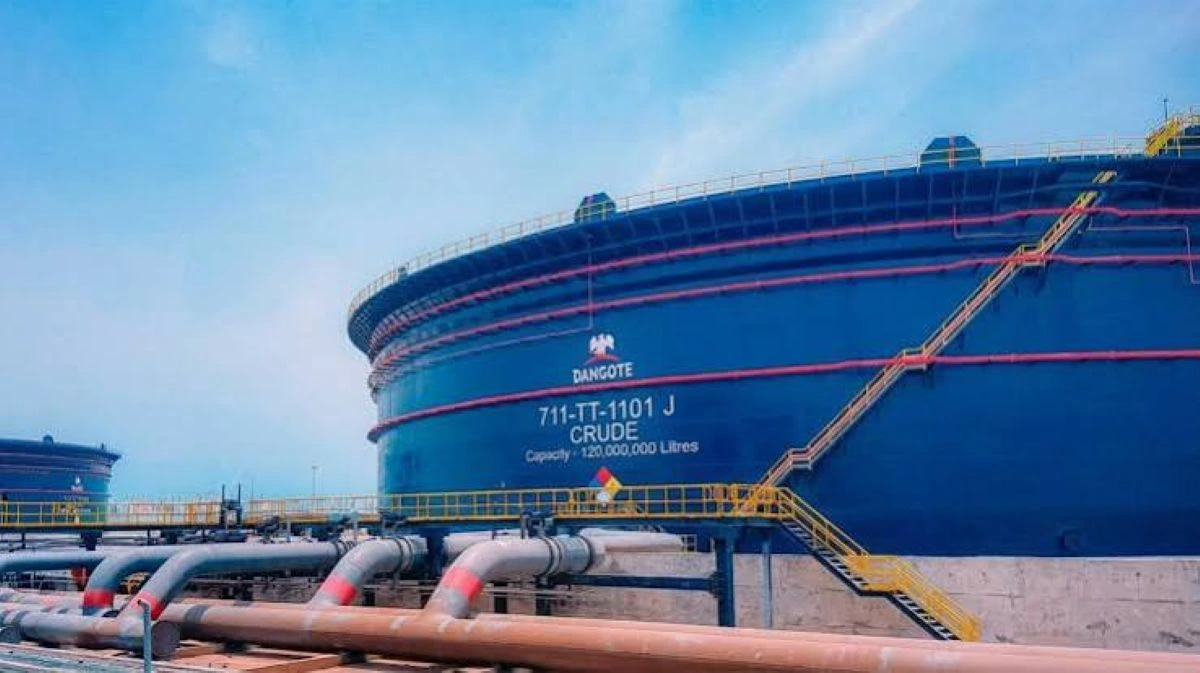
Dangote Refinery has emerged as the world's largest exporter of jet fuel in April, a significant development driven by increased output and shifts in global fuel trade patterns exacerbated by the Middle East conflict. This information was disclosed in a recent S&P Global Energy report, which included comments from the refinery's chief executive officer, David Bird.
The report highlighted how changing global supply dynamics have boosted demand for alternative aviation fuel suppliers, positioning the Dangote Refinery as a key beneficiary. According to S&P Global Commodities at Sea data, the refinery became the world's single largest exporter of aviation fuel in April after the Middle East conflict disrupted established supply routes.
The refinery has achieved and maintained near-peak output levels, operating at a capacity of approximately 650,000 barrels per day following a gradual ramp-up phase. It utilizes a flexible blending system, importing feedstocks such as GTL naphtha and Bonny condensate to enhance gasoline yields beyond its base configuration.
David Bird stated that sustaining output at this scale necessitates enhanced trading sophistication, improved logistics coordination, and greater supply chain reliability as operations broaden beyond domestic crude limitations. The refinery is actively transitioning to a merchant refining model, engaging in the international trade of crude and refined products rather than functioning solely as a domestic processor.
Furthermore, the refinery is broadening its crude slate to include heavier grades and residue blends, in addition to Nigerian light sweet crude. It possesses the capability to process around 40 different crude types, with plans to expand this capacity over time. This strategic move is part of a larger objective to establish the company as a significant global trader of crude and refined products.