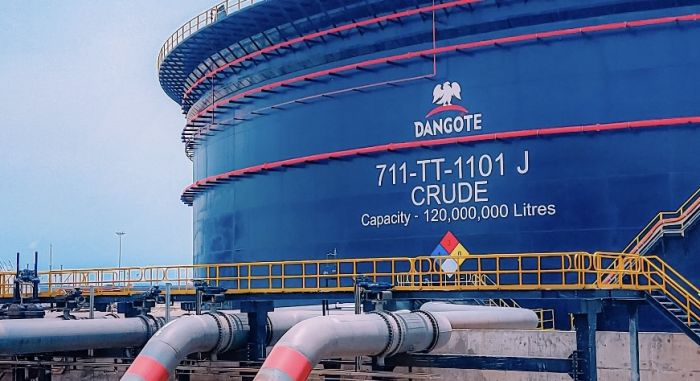
The Centre for the Promotion of Private Enterprise (CPPE) has expressed significant concern regarding a recommendation from the World Bank's Nigeria Development Update. The World Bank suggested increasing imports of petroleum products and food to address supply constraints, a proposal the CPPE believes could hinder Nigeria's progress towards energy self-sufficiency.
Dr. Muda Yusuf, Chief Executive Officer of the CPPE, stated that the recommendation is deeply troubling and misaligned with Nigeria's current economic realities and reform direction. This reaction follows an earlier World Bank recommendation, later removed, that Nigeria should sustain Premium Motor Spirit (PMS) imports to stabilize supply.
The CPPE emphasized that Nigeria is currently making measurable progress in restoring macroeconomic stability. Evidence cited includes improving foreign reserves, moderating inflation, a more stable exchange rate regime, and growing capacity for refined petroleum product exports. The organization argues that the policy priority should be to consolidate these gains, not to undermine them through increased import reliance.
Continued dependence on imported fuel, the CPPE warned, could weaken investor confidence in domestic refineries and exacerbate pressure on foreign exchange demand. Furthermore, import-heavy strategies expose Nigeria to external shocks related to global oil price volatility and supply disruptions, potentially worsening domestic inflation and destabilizing fuel pricing.
The CPPE highlighted that structural bottlenecks continue to affect local producers. These include high financing costs, infrastructure deficits, logistics constraints, and regulatory burdens. Addressing these issues is crucial to unlocking Nigeria's domestic production capacity, according to the CPPE.