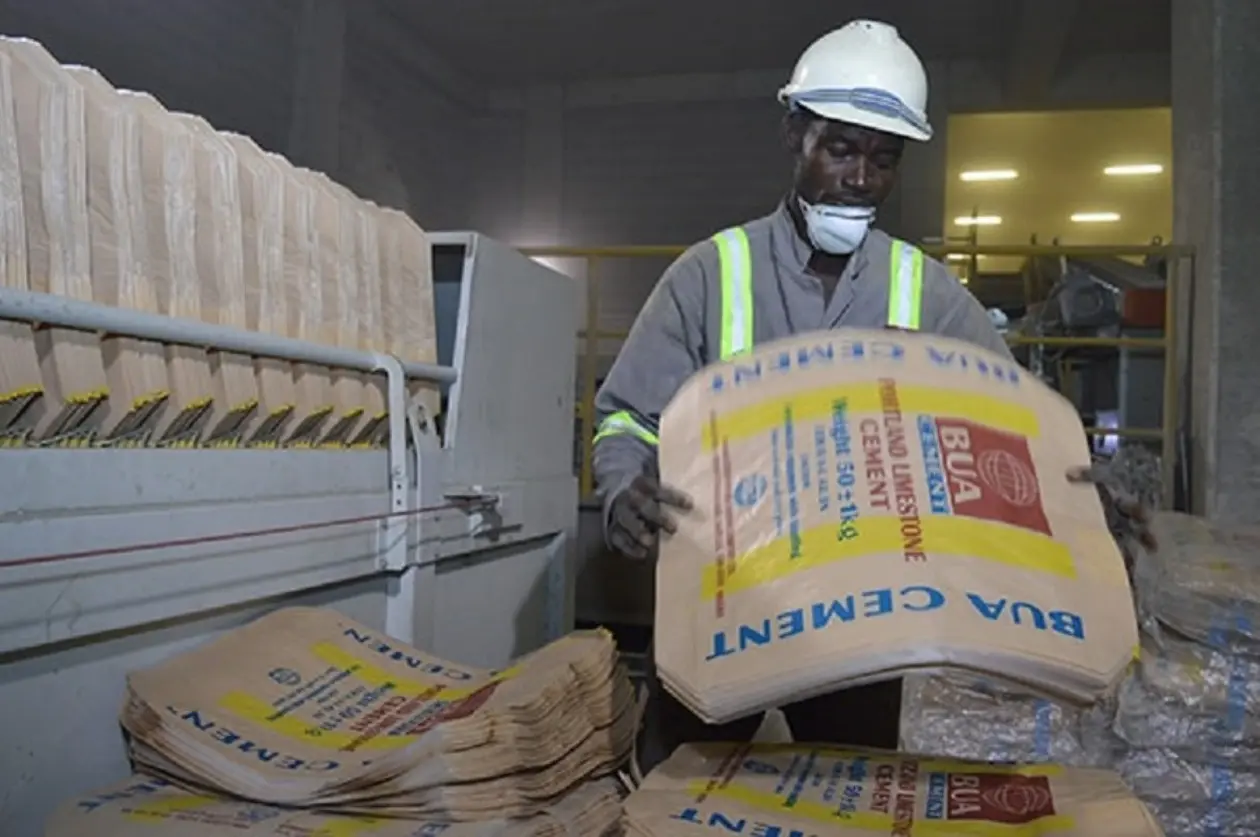
BUA Cement recorded a net foreign exchange gain of N16.57 billion during the first half of 2026. This marks a substantial increase compared to only N782.8 million in the same period last year and a significant reversal from the N9.70 billion foreign exchange loss for the full 2025 financial year.
This turnaround reflects a relatively more stable exchange rate environment following sharp currency adjustments over the previous two years. The improvement helped reduce overall net finance costs to just N3.41 billion in H1 2026, a considerable drop from N31.37 billion in the corresponding period of 2025, despite the company's substantial borrowings.
Finance income also increased sharply to N18.73 billion, supported by higher interest earned on cash balances. BUA Cement continued to generate significant operating cash flows, even while paying substantial dividends and investing heavily in capacity expansion.
Net cash generated from operating activities stood at N278.45 billion, demonstrating the business’ strong cash conversion capability. Capital expenditure reached over N60.67 billion, largely invested in property, plant, and equipment as the company continues expanding production capacity.
Property, plant and equipment increased to N1.22 trillion from N1.18 trillion at the end of 2025, reflecting continued investment in production assets and projects under construction. Construction work-in-progress alone rose to about N183.86 billion, highlighting ongoing expansion activities.
The company is progressing with plans to expand installed production capacity from 17 million metric tonnes per annum to 20 million metric tonnes. This includes the construction of a greenfield cement plant in Ososo, Edo State.
Commenting on the results, Yusuf Binji, managing director and chief executive officer, stated that the company remained focused on capturing new growth opportunities while maintaining cost discipline. Binji noted that the company’s growth initiatives and cost optimisation programmes were gaining traction, expressing confidence that ongoing process improvements would deliver higher productivity and better cost management in the coming quarters.