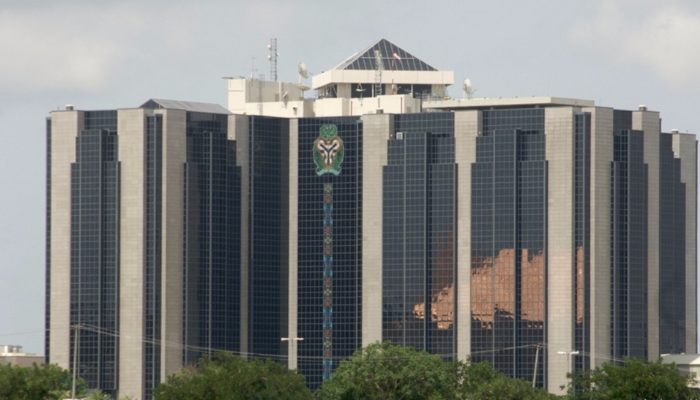
Cash Is Arriving Faster Than the CBN Removes It
The pattern in the weekly numbers is a central bank withdrawing cash at a pace most markets would consider aggressive, and a banking system that barely notices. About ₦2.95 trillion was allotted at the November 3 OMO auction and a further ₦724.32 billion on November 6, when the central bank accepted only part of the ₦1.887 trillion bid for its ₦1 trillion offer. Despite those sales, system liquidity climbed from ₦7.373 trillion to ₦8.505 trillion in the week, and lenders still had ₦8.311 trillion parked overnight at the Standing Deposit Facility on Friday. That facility balance is the clearest signal in the data: banks are choosing a risk free return at the central bank over expanding credit, because the yield compensates them without the provisioning and capital costs that come with lending.
October provides the base for the comparison. OMO allotments for the whole of that month totalled ₦6.182 trillion, a slower pace of absorption that already allowed average system liquidity to rise sharply. November has opened with heavier sales, but the starting stock of cash is larger, and every maturing bill returns principal to the same banks the central bank is trying to drain.
Demand for Government Paper Is Concentrated at One Year
The Treasury bills auction on November 4 showed where the surplus cash wants to go. Subscriptions of ₦2.045 trillion were 2.56 times the ₦800 billion on offer, and roughly ₦1.99 trillion of those bids targeted the 364 day bill alone. The Debt Management Office allotted ₦461.84 billion on that tenor and ₦509.40 billion in total, holding stop rates at 15.40% for 91 days, 15.79% for 182 days and 15.80% for 364 days. Rejecting about three quarters of the bids cost the government nothing in yield, which tells its own story about the depth of demand for one year paper at current rates.
For equity investors, that preference matters. Money committed to a one year bill at 15.80% is money with a high hurdle to clear before it moves into shares, and the auction calendar keeps renewing the offer. Wednesday's ₦800 billion sale, again weighted ₦600 billion to the 364 day tenor, will test whether the same concentration repeats. The size the Debt Management Office chooses to allot, rather than the size investors bid, is the number that will show whether the authorities are content to keep funding cheaply at a restricted volume or intend to use the auction itself as a second mop up tool alongside OMO.