Africa’s brief hold-rate era is drawing to a close as a growing number of central banks once again prioritise fighting inflation over supporting economic growth, signalling a new phase in the continent’s monetary policy cycle.
After almost four months where most African central banks left borrowing costs unchanged as inflation eased from multi-year highs, policymakers are becoming increasingly cautious. Ethiopia’s decision last week to raise its Monetary Policy Rate for the first time in two years adds to earlier tightening moves by South Africa, Namibia, Rwanda, and Tanzania, reinforcing signs of a continent-wide lean towards tighter policy amid renewed inflationary pressures.
This shift reflects growing concerns that recent gains in taming inflation could prove short-lived. Rising oil prices, weakening currencies, and renewed geopolitical tensions are forcing central banks to reassess the balance between supporting economic growth and preserving price stability.
Renewed hostilities involving the United States, Israel, and Iran have injected fresh uncertainty into global energy markets, pushing Brent crude close to $90 a barrel. This raises the risk of imported inflation across many African economies, as higher oil prices quickly feed into transport, electricity, and food costs.
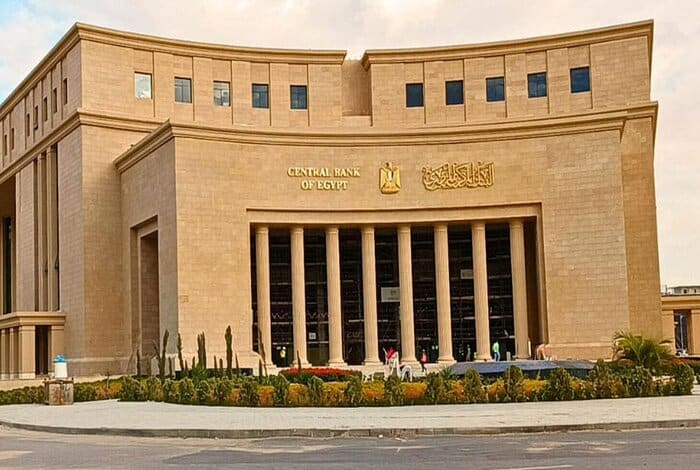
The latest development marks a reversal from the trend seen in 2025 and earlier this year. After an aggressive monetary tightening cycle between 2022 and 2024, many African countries paused rate hikes. Some, including Ghana, Egypt, Angola, Zambia, and South Africa, even began cautiously lowering borrowing costs to support economic recovery.
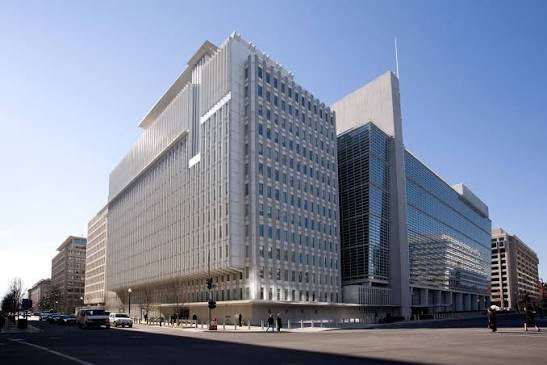
That window for easing is now narrowing. According to the World Bank’s latest Africa Economic Update, higher food and fuel prices could reignite inflation across developing economies, forcing central banks to keep interest rates higher for longer.
The Bank stated that “Higher inflation is likely to erode households’ purchasing power, while increases in domestic interest rates may discourage household consumption and dampen domestic investment, ultimately weighing on economic activity.” The multilateral lender also warned that higher global interest rates would increase debt-servicing costs for governments, limiting fiscal space and reducing their ability to cushion households from rising prices.
BusinessDay’s review of monetary policy decisions across 17 African central banks illustrates this changing landscape. As of July, five central banks have raised interest rates, nine have kept policy unchanged, and three have continued easing, highlighting an increasingly fragmented monetary policy environment.
Central banks turning hawkish
Ethiopia raised its benchmark Monetary Policy Rate to 16 percent from 15 percent, marking its first increase since the rate was introduced in 2024 and the East African nation’s first monetary tightening in nearly a decade. This move came as inflation accelerated to a year high of 13.9 percent in June, after falling into single digits in December for the first time in almost a decade. The National Bank of Ethiopia also removed its 24 percent cap on annual credit growth for commercial banks.
Tanzania increased its key interest rate by 50 basis points to 6.25 percent, its first hike since April 2024, to keep inflation within its three to five percent target range. Although inflation remained relatively contained at four percent in June, policymakers cited risks from external shocks and currency weakness. The Tanzanian shilling has depreciated 7.4 percent against the US dollar as of July 19.
Namibia raised its repo rate by 25 basis points to 6.75 percent after holding rates steady for three consecutive meetings. The central bank stated this move was necessary to contain inflationary risks from higher energy prices and protect the peg between the Namibian dollar and the South African rand. Inflation in the Southern African nation rose to 4.4 percent in June, the highest level in 15 months.
Rwanda has been among Africa’s most aggressive central banks this year. After a 50-basis-point increase in February, it followed up with a 100-basis-point hike in May, taking its benchmark rate to 8.25 percent, the highest since 2009. Policymakers said tighter policy was needed after inflation surged to 12.7 percent in June, its highest level in nearly three years.
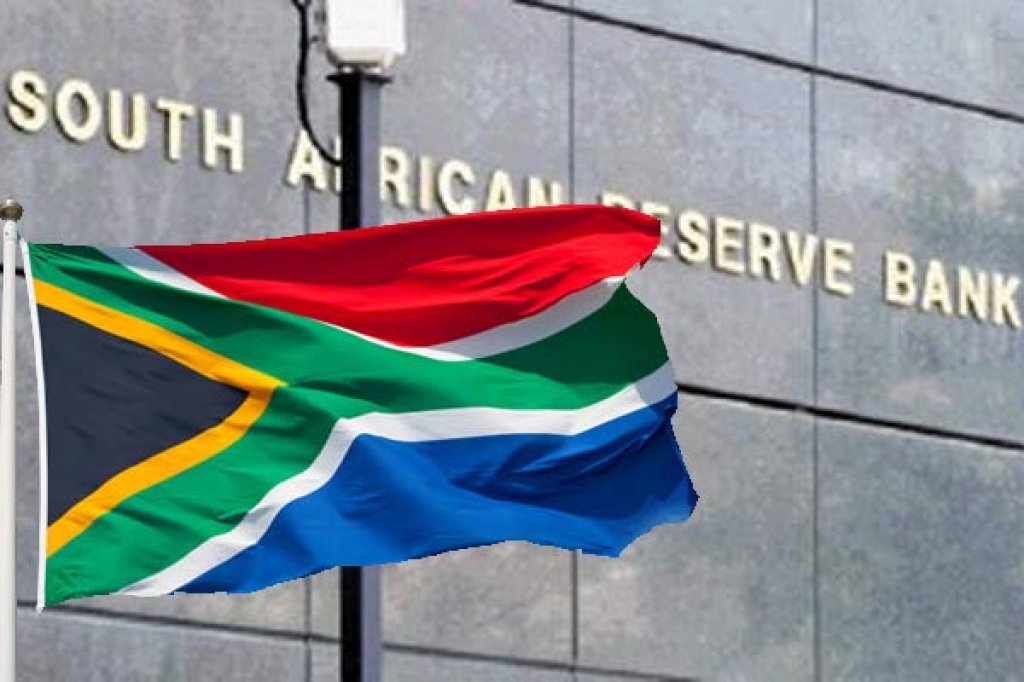
South Africa delivered its first interest-rate increase since 2023 in May, raising the repo rate by 25 basis points to 7 percent. Policymakers warned that higher oil prices and geopolitical tensions could trigger second-round inflation effects. Inflation accelerated to 4.5 percent in May, moving further away from the central bank’s preferred 3 percent target. Bank of America expects inflation in the continent’s largest economy to rise to 4.7 percent and forecasts another 25-basis-point increase at the South African Reserve Bank’s next meeting.