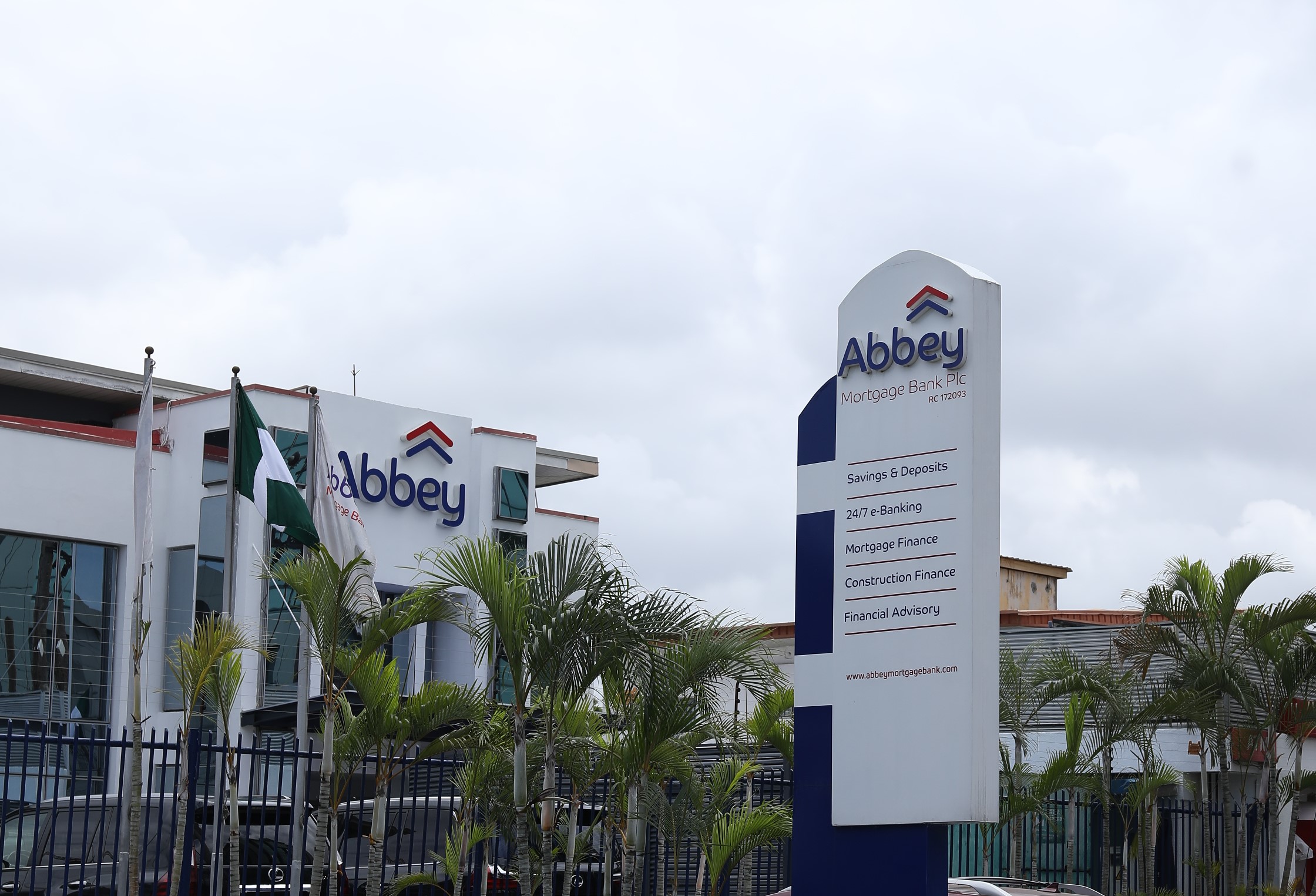
A licence three years in the making
Abbey's move into commercial banking has been in progress for several years. Discussions began in 2023 and a formal application went to the Central Bank in 2024, with initial regulatory approval granted in October 2024. The bank then raised ₦64.55 billion through a private placement from existing shareholders and new investors, and the Central Bank issued its regional commercial banking licence in June 2026.
The company has been preparing its identity for the new role. It dropped "Mortgage" from its name in July 2026 to become Abbey Bank Plc, and it trades on the Nigerian Exchange under the ticker ABBEYBANK. Management says it has spent the past three to four years hiring commercial banking staff, upgrading technology and moving customers to a new core banking platform.
"The year 2026 represents a defining moment in the history of Abbey," said Managing Director Mobolaji Adewumi. "Our approval to transition to commercial banking is a testament to the work invested in building this institution and the confidence placed in us by our regulators, shareholders, customers and employees."
What the regional licence allows
A regional licence lets Abbey take deposits and lend across a defined part of the country rather than nationwide. According to management, its licence covers Lagos, the South-West, the South-South and the North-West. Expanding into the South-East, North-East and North-Central would require a national licence, which the bank says it will pursue in the medium term, within roughly two to three years.
The licence also comes with a higher capital bar than mortgage banking. Abbey says its capital base now stands above ₦70 billion, comfortably above the ₦50 billion minimum required for a regional commercial bank. Management has said additional funding could come from the capital market, including commercial papers and bonds, as the bank grows.
What changes for customers
As a mortgage bank, Abbey could finance homes and property, but it could not offer the full range of everyday banking services. That restriction shaped the decision to convert. "We need to be able to support the entire value chain instead of allowing people to take the money and go to commercial banks," Adewumi said, pointing to developers, building-materials suppliers, construction companies and homebuyers who all needed services a mortgage bank could not provide.
From November, Abbey plans to serve retail customers, small and medium-sized businesses and corporate clients, with products spanning trade finance, business lending, payment collections and point-of-sale services. Small businesses and women-owned firms are named target markets. Housing stays central: the bank plans staged construction financing that lets landowners borrow for each phase of building, alongside its existing mortgages. Digital banking is the other pillar, with upgrades to its mobile and corporate internet banking platforms under way.
The numbers behind the move
Abbey enters commercial banking on the back of its strongest results yet. Its audited financial statements show pre-tax profit of ₦3.12 billion for 2025, up from ₦1.22 billion in 2024, with gross earnings of ₦20.04 billion and earnings per share of ₦0.21, up from ₦0.11. Total assets almost doubled to ₦165.83 billion from ₦84.25 billion, reflecting the capital raise and growth in its funding base.
On the market, Abbey's shares closed at ₦6.80 on Thursday, giving the bank a market value of about ₦69 billion. That makes it a small entrant in a commercial banking field dominated by lenders worth trillions of naira, and management is betting that speed, service and its knowledge of the housing market will win customers.
What it means
The conversion changes what Abbey is allowed to do. A commercial licence widens its deposit base beyond housing-linked funds and lets it lend across the wider economy, earn fees from payments and trade services, and compete for the everyday banking relationships it previously had to hand to rivals.
It will also change the shape of the company's financial statements. Future results should show a broader loan book, growing customer deposits and new fee income alongside mortgage interest, making Abbey's numbers look more like a conventional bank's. Investors will be watching whether the November launch converts the broader licence into deposit growth without weakening the asset quality Abbey built in mortgages.