Global energy markets are bracing for a prolonged period of high costs as extreme supply tightness and geopolitical brinkmanship threaten to cement triple-digit oil prices as the “new normal.” Following the collapse of critical diplomatic talks and a looming U.S. blockade of the Strait of Hormuz, Brent crude has surged to roughly $104 a barrel.
Head of Market Research at FXTM, Lukman Otunuga, stated that the combination of stalled negotiations and physical shipping constraints has created a “perfect storm” for energy benchmarks. “Deepening conflict may keep oil prices elevated, with triple digits potentially becoming a new normal amid extreme supply tightness,” Otunuga warned.
The primary catalyst for the price explosion is the escalating friction between the U.S. and Iran. After 21 hours of failed negotiations in Islamabad, Pakistan, over Iran’s nuclear program and maritime control, the U.S. has vowed to blockade vessels passing through the Strait of Hormuz—a chokepoint that has been effectively restricted since late February.
The market reaction was immediate, with Brent rallying as much as 9 per cent as supply shock fears returned to the forefront of investor concerns. “Given how Iran has rejected US restrictions on shipping and threatened Gulf ports, sentiment remains fragile and highly sensitive, with markets on high alert.
“Oil benchmarks surged as the US vowed to blockade all vessels passing through the Strait… supply shock fears returned with a vengeance,” Otunuga said.
The surge in energy costs is already rippling through other asset classes. Gold has found itself on the back foot despite the chaos; while typically a safe haven, the metal is being weighed down by a stronger dollar and fears that $100+ oil will trigger a fresh wave of global inflation.
The situation also places central banks in a difficult position. While some, like the Central Bank of Nigeria, may look to cut rates as local inflation eases toward a projected 13.4 per cent, global peers are being forced to consider further hikes to combat “conflict-induced inflation.”
“This fresh uncertainty was reflected across markets this morning, with risk aversion affecting equities. “The Strait of Hormuz has been effectively closed since late February, raising the risk of inflation and growth shocks that threaten the global economy,” Otunuga added.
The peace talks in Islamabad involving U.S. Vice President J.D. Vance and Iranian officials collapsed this past weekend. The primary sticking point remains disagreement over Iran’s nuclear program and long-term security commitments.
In response to the deadlock, President Trump has ordered a U.S. Navy blockade of Iranian ports effective Monday, April 13, 2026. Iran’s Revolutionary Guard (IRGC) has since threatened to close the Strait entirely to military vessels, describing the waterway as a “deadly vortex” for its enemies.
Brent Crude continues to hover near $104/bbl, having touched $120/bbl during earlier bouts of extreme volatility as the market continues to price in a heavy “war premium.”
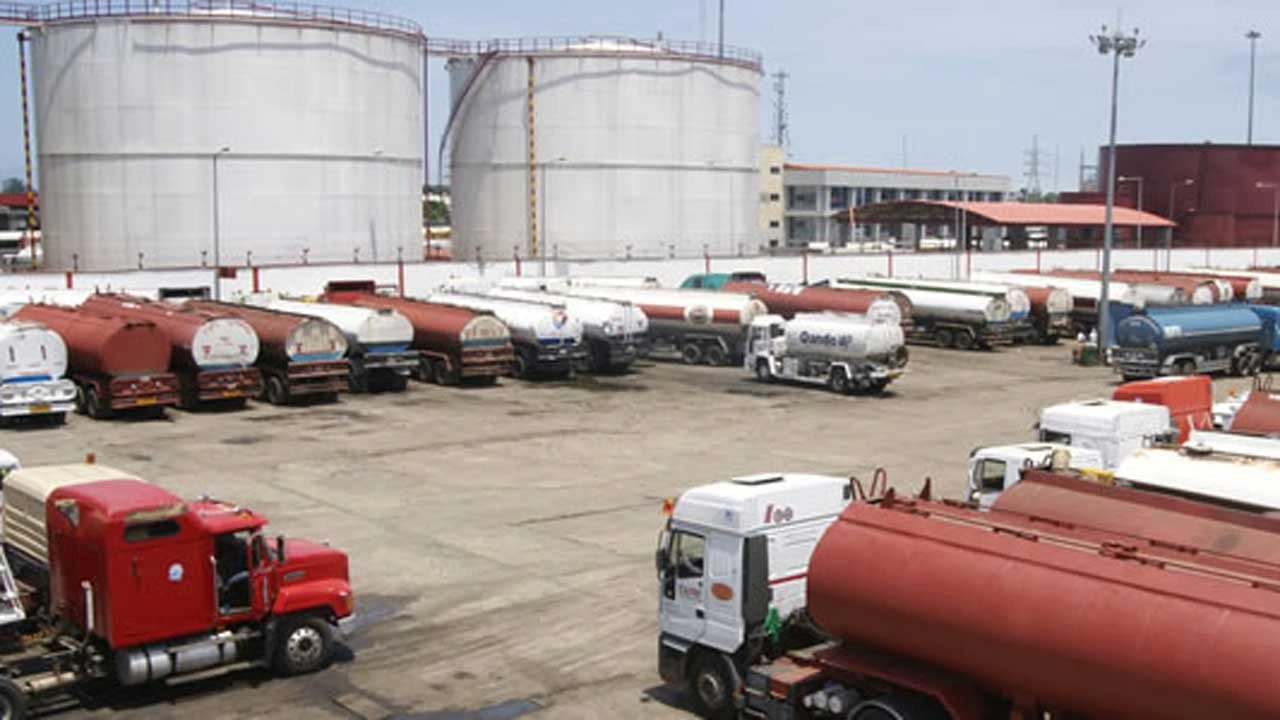
Nigerian petroleum prices are projected to rise significantly following the recent US Navy’s blockade of the Strait of Hormuz. The US is taking this action to cut off Iranian oil earnings and maritime dominance in reaction to the breakdown of peace negotiations with Iran.
Nigerian crude prices went north with other major benchmarks. Brent oil rallied above $103 per barrel as soon as President Trump announced the blockade on April 12.
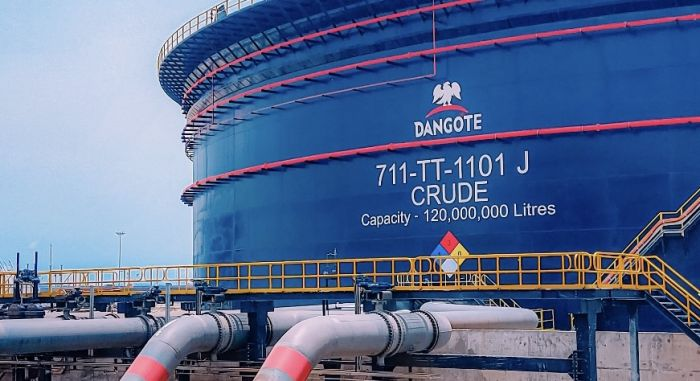
Dangote refinery is operating below its nameplate capacity of 650,000 barrels per day (bpd) because of local supply constraints, though the Nigerian National Petroleum Company Limited (NNPCL) increased its allocation for refinery feedstock.
Under the current terms, the refinery is anticipated to have a minimum of 13-15 cargoes monthly during the feedstock exchange for local currency; however, in March, NNPCL provided 10 cargoes, which is an increase in comparison to the 2024-2025 period of delivering an average of 5 cargoes per month.
David Bird, the CEO, along with other refinery executives, has insisted that NNPCL is providing significantly less than the agreed-upon forecasts.
Africa’s biggest refinery by production capacity still sources crude oil from the United States and some African countries to bridge the gap of what local suppliers are providing. The reliance on crude oil from other countries is largely responsible for the recent increase in fuel prices.
There had been earlier reports that Dangote Petroleum Refinery had increased its gantry prices of petroleum to N1,275 per liter and diesel to N1,950 per liter on April 8, citing Middle East tensions and global crude benchmarks before some price moderation last week.