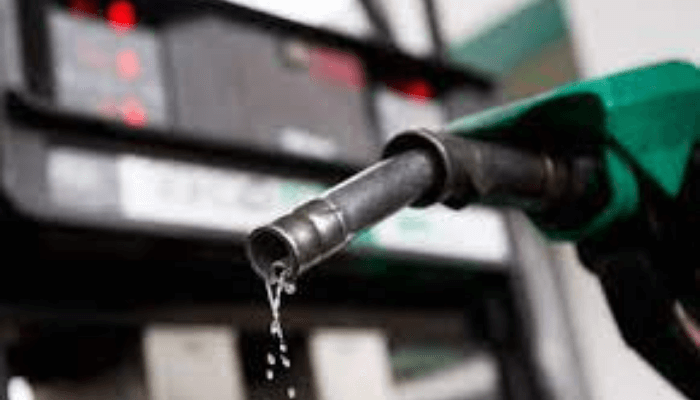
Residents of the Federal Capital Territory (FCT) are expressing deep concern over escalating transport fares following a sharp increase in the pump price of petrol. The price of petrol has climbed to between N1,200 and N1,350 per litre in Abuja, a significant jump from the previous N835 to N875 range.
This sudden adjustment in fuel costs has directly translated into higher fares for commuters. Passengers have reported paying substantially more for daily commutes, with some fares doubling in a matter of days. For instance, a trip from Nyanya to Utako, which previously cost N1,500, now stands at N2,000, while the Nyanya to Area 1 route has seen an increase from N700 to N1,000.
Commuters fear that these rising transportation costs will further strain household budgets, compounding the already high cost of living in Abuja. The interconnectedness of transportation costs with other goods and services means that a hike in fuel prices often triggers a broader inflationary trend.
This situation echoes broader economic challenges in Nigeria. A report presented by Mohammed Shuaibu of the University of Abuja highlighted that the removal of fuel subsidy in May 2023 led to a surge in poverty levels, increasing from approximately 50% to 63%. While the introduction of social protection measures moderated this rate to around 56.2%, the relief was limited due to implementation delays and scale.
Economists like Dr. Bashir Ishaku emphasize that fuel price increases have a significant ripple effect across the economy. Transportation costs are a major component of the price of goods, particularly food items transported from rural to urban areas. Consequently, traders are likely to pass on these increased costs to consumers, potentially leading to further food inflation.
The impact is felt across various segments of the population. Businesses are reporting rising costs, and some commuters are resorting to walking or reducing trips. The Nigerian Midstream and Downstream Petroleum Regulatory Authority (NMDPRA) has stated that fuel price fluctuations are a direct result of market dynamics in the deregulated downstream petroleum sector.
Experts and policymakers are calling for strengthened social protection programs and improvements in mass transit systems to mitigate the impact on citizens. There is a consensus that economic policy reforms require continuous dialogue and robust safety nets to ensure public support and cushion the effects on vulnerable populations, including women, children, and rural dwellers.