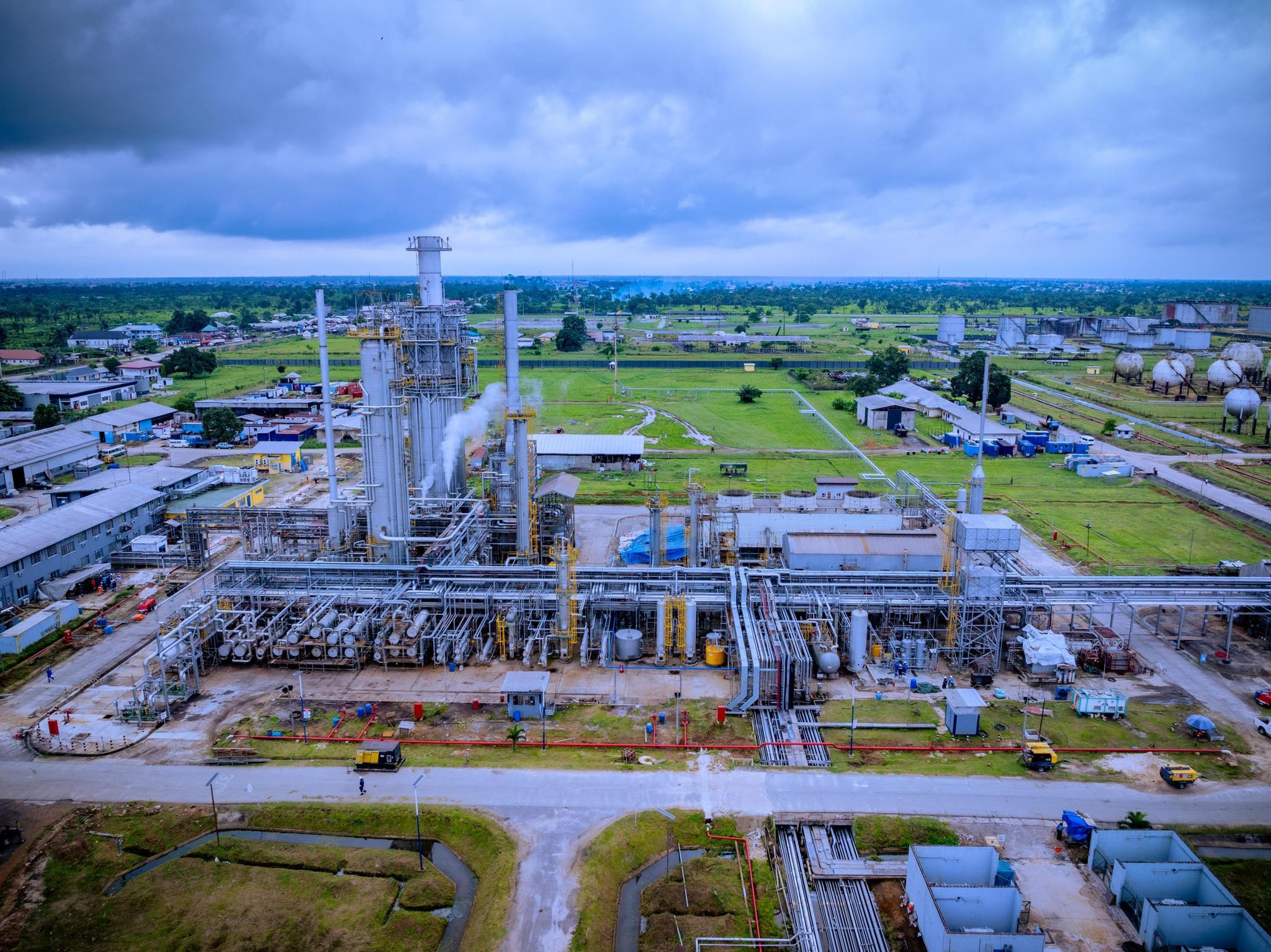
The Petroleum Products Retail Outlets Owners Association of Nigeria (PETROAN) has urged the Nigerian National Petroleum Company Limited (NNPCL) to resume operations at government-owned refineries. This call, made on Wednesday, July 15, 2026, aims to stabilize fuel prices, foster competition, and enhance Nigeria’s energy security.
In a statement signed by its National Public Relations Officer, Dr. Joseph Obele, conveying the position of PETROAN President, Dr. Billy Gillis-Harry, the association emphasized the importance of bringing the Port Harcourt, Warri, and Kaduna refineries back online.
PETROAN believes that the immediate operation of these refineries would serve as an effective price-check mechanism. It would also increase domestic fuel supply and reduce the country’s dependence on a single supplier in the downstream petroleum market.
The association highlighted that multiple supply sources would stabilize petroleum product prices and alleviate pressure on foreign exchange by boosting local refining capacity. This move is also seen as crucial for strengthening Nigeria’s energy security by ensuring uninterrupted product availability.
While supporting a deregulated petroleum market and the commercial rights of all refinery operators, PETROAN noted that recent developments underscore the urgent need for multiple operational refineries. This is essential to promote healthy competition and protect consumers.
PETROAN’s National President, Dr. Billy Gillis-Harry, stated that the association views government-owned refineries as a critical price-check mechanism against market exploitation. He referenced Dangote Petroleum Refinery’s recent decision to sell products in United States dollars as further demonstrating the need for multiple operational refineries.
The association argued that a downstream market dominated by a single supplier exposes marketers and consumers to sudden pricing decisions. Such decisions could significantly affect pump prices nationwide.
PETROAN also expressed concern that marketers, who generate revenue in naira, may now be required to purchase products in dollars. Against this backdrop, the association called on NNPCL Group Chief Executive Officer, Bayo Ojulari, to direct the company’s management to resume temporary operations at the government-owned refineries.
This temporary production would occur while discussions with two prospective Chinese technical partners continue. PETROAN recalled that the refineries were operational before their shutdown in May 2025. Temporary production would immediately increase domestic fuel supply, moderate price volatility, and provide relief to consumers pending the conclusion of the proposed technical partnership arrangements.
The association maintained that Nigeria’s long-term energy security cannot depend on one refinery alone, regardless of its production capacity. A resilient petroleum sector requires both public and private refineries operating competitively within the same market.
PETROAN further urged the Federal Government to accelerate the rehabilitation and full commercial operation of the Port Harcourt, Warri, and Kaduna refineries. It also called for adequate crude oil supply to all domestic refineries, sustained policies that encourage competition, investment, and price stability in the downstream petroleum sector, and continued creation of an enabling environment for investment in additional modular and conventional refineries across the country.
According to PETROAN, multiple functional refineries remain the most effective and sustainable mechanism for preventing market distortions, protecting consumers, strengthening energy security, and supporting sustainable economic growth.
Dangote Petroleum Refinery recently ended naira-denominated pricing for Premium Motor Spirit (PMS), commonly known as petrol. It fixed its ex-depot price at $0.779 per litre under a new dollar-based pricing framework for refined petroleum products.
This development was disclosed in a notice issued by the refinery to petroleum marketers and customers, announcing the transition from naira to United States dollar transactions for the sale of petrol, diesel, and aviation fuel. At the prevailing official exchange rate of N1,380.50 to the US dollar, the new benchmark translates to approximately N1,075.61 per litre. The ex-depot price in naira will now fluctuate with foreign exchange market movements.
Under the new pricing schedule, petrol sold through the gantry will cost $0.779 per litre, Automotive Gas Oil (diesel) will sell for $1.087 per litre, while Aviation Turbine Kerosene (Jet A1) is priced at $0.942 per litre. The refinery also fixed the price of coastal petrol deliveries at $1,044.62 per metric tonne. However, the transition does not apply to Liquefied Petroleum Gas (LPG), which continues under the existing arrangement.
NNPCL signed a Memorandum of Understanding (MoU) with two Chinese companies in April 2026 as part of efforts to restart and expand the Warri and Port Harcourt refineries. The agreement was executed in Jiaxing City, China, on April 30, 2026, and announced by the national oil company in May 2026.
The MoU was signed by NNPCL Group Chief Executive Officer, Bayo Ojulari, Chairman of Sanjiang Chemical Company, Guan Jianzhong, and Chairman of Xinganchen (Fuzhou) Industrial Park Operation and Management Co., Ltd., Bill Bi. This partnership aims to support the completion and operation of the two refineries.
Earlier, the Independent Petroleum Marketers Association of Nigeria (IPMAN) also urged NNPCL to fast-track the proposed Technical Equity Partnership with the two Chinese firms. IPMAN believes the revival of the Warri and Port Harcourt refineries would boost domestic refining capacity, improve product availability, increase competition in the downstream sector, and help moderate fuel prices.