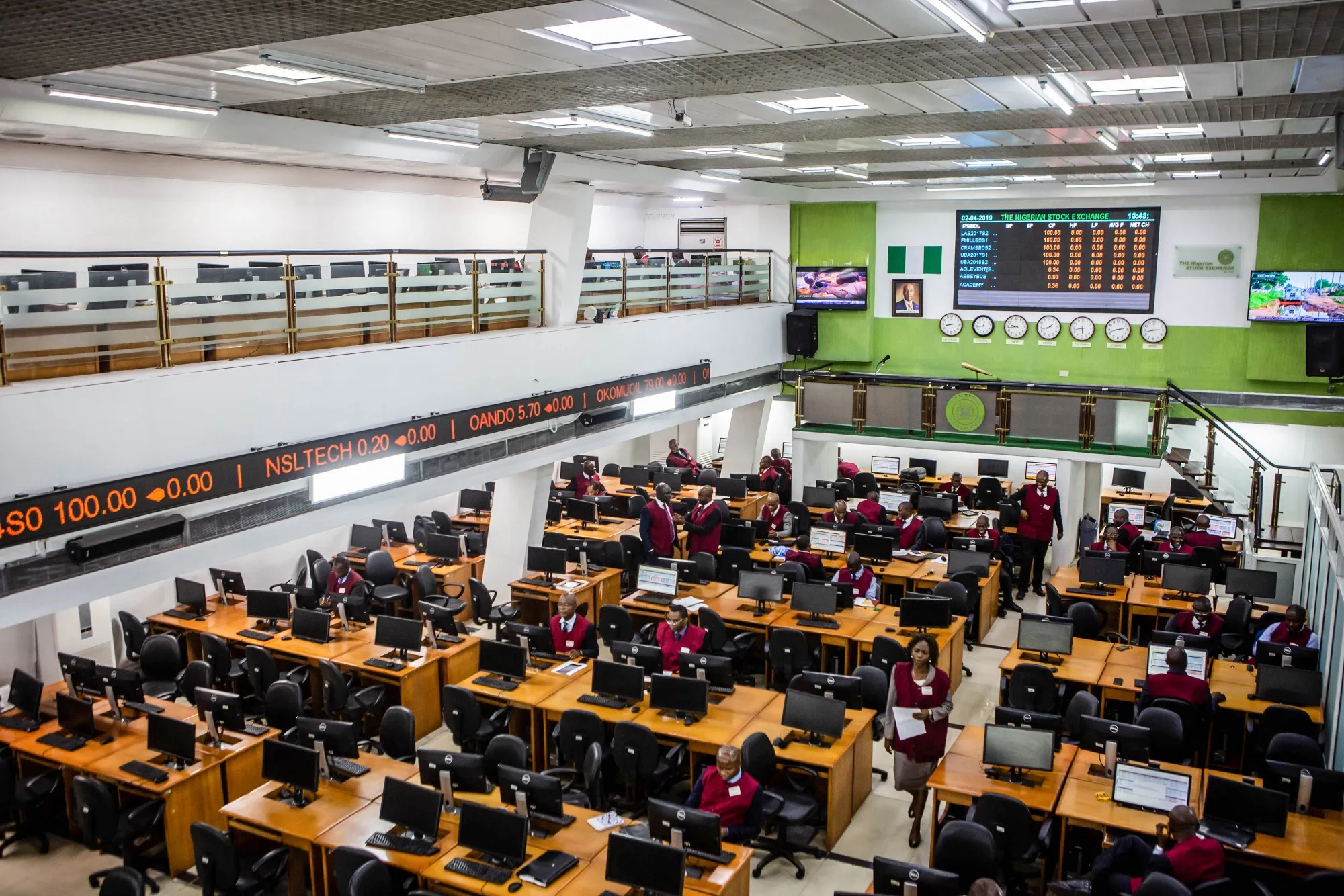
Nigeria’s capital markets are increasingly establishing credibility as a viable exit route for institutional investors, according to Temi Popoola, Group Managing Director and Chief Executive Officer of Nigerian Exchange Group. This growing confidence is attributed to recent transactions and structural reforms designed to enhance market functionality.
“The true test of any market is not entry, but exit,” Popoola stated during a recent investor presentation. Historically, Nigeria’s markets faced constraints such as foreign exchange illiquidity, delays in repatriation, and limited depth. However, reforms implemented since 2023, notably the unification of exchange rates, have significantly improved price discovery and capital mobility.
Domestic investors now constitute about 91% of market activity, providing a stable liquidity base. Foreign participation is also beginning to recover selectively as market conditions improve.
Recent transactions are reshaping investor perceptions. A notable divestment by Africa Capital Alliance in Aradel Holdings reportedly delivered a 3.4 times dollar return, showcasing the potential for substantial exits through the public market, as highlighted by the exchange.
“Foreign capital hasn’t disappeared, it has become more disciplined,” Popoola added. Investors are re-engaging in markets where there is greater clarity on execution and exit pathways.
Nigeria remains one of Africa’s largest markets, boasting a population exceeding 240 million and a total market capitalization surpassing ₦187 trillion. Popoola emphasized that the country's relevance is increasingly tied not only to its size but also to its capacity to intermediate capital through more functional market structures.
While acknowledging that challenges persist, including liquidity concentration and macroeconomic volatility, Popoola characterized these as transitional rather than structural constraints. “Nigeria’s markets are not yet frictionless, but they are no longer static,” he concluded.