Key Highlights
- Nigerian Exchange (NGX) All-Share Index closed at 242,277.81 points by end of April 2026.
- Market Year-to-Date (YTD) return surpassed 55%, with a N56 trillion gain in 2026 alone.
- NGX Oil and Gas index has returned 128% YTD, with Seplat Energy leading daily gainers.
- Domestic institutional liquidity boosted by pension fund equity investment limit increases.
- Banks continue to dominate trading volume, with Access Holdings and UBA showing high activity.
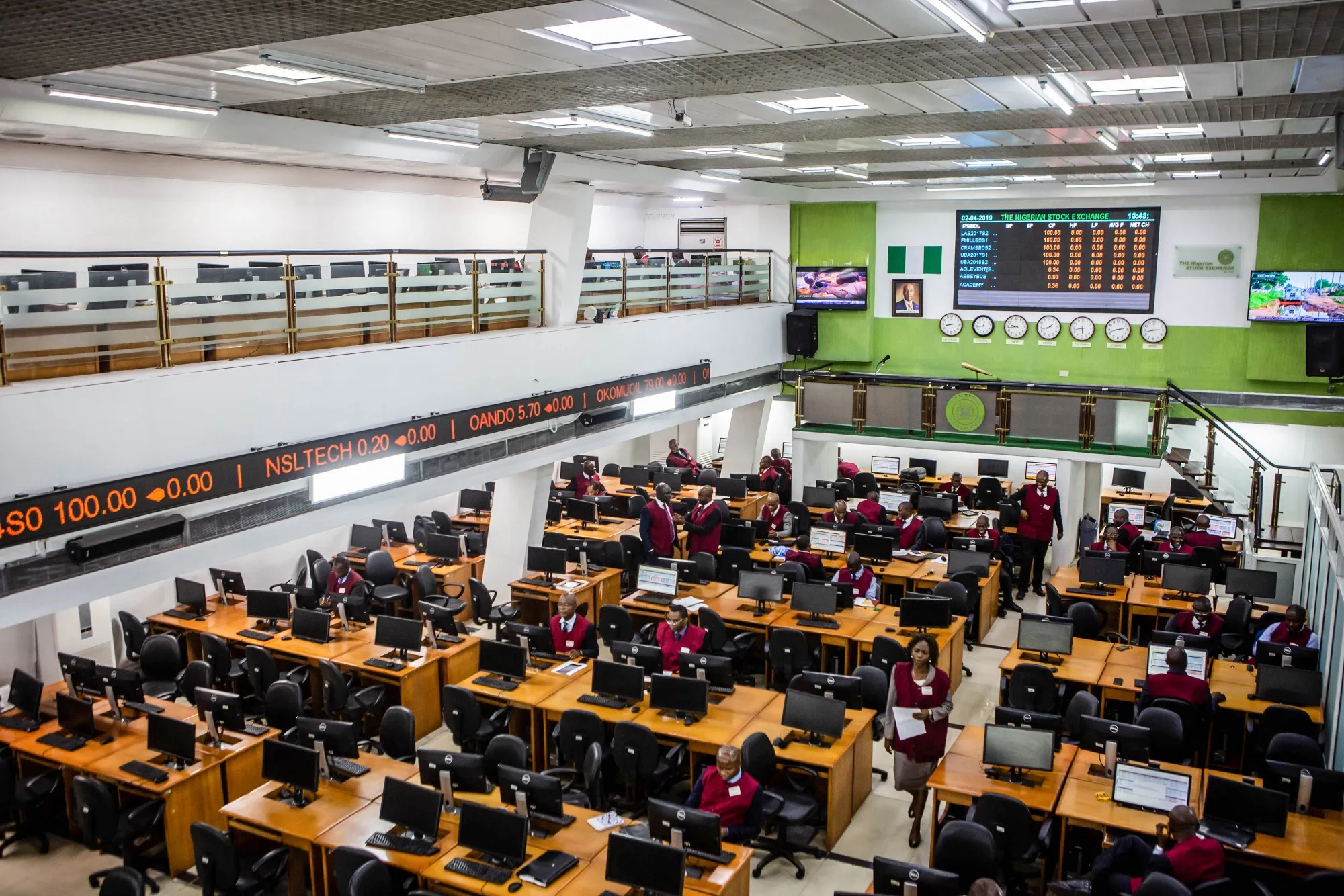
The Nigerian Exchange (NGX) has experienced an exceptional four-month rally, positioning itself as the strongest frontier equity market in 2026. The market surpassed its previous ceilings with a surge in activity in late April.
The Year-to-Date (YTD) return on the overall market has exceeded 55%. This surge occurred as market participants largely ignored negative macroeconomic signals and uncertainties, attracting strong domestic and foreign institutional funds.
The NGX All-Share Index reached a new peak, rising above 242,000 points and closing at 242,277.81 points at the end of April. This represents an increase of N156 trillion ($113 billion) in market capitalization. In 2026 alone, the Nigerian major stock market has increased by nearly N56 trillion, achieving approximately 55.69% overall growth year-to-date.
The market increase has surpassed 528% in the period following its demutualization in 2021. Analysts and market participants observe that momentum indicators, including the Relative Strength Index (RSI), have crossed significantly into overbought levels, suggesting the market may be approaching a short-term peak.
Technical analysts predict a high probability of a near-term consolidation phase or mild pullback as traders lock in profits. This is due to the rapid price increases without significant corrections, despite a very bullish longer-term structural trend.
Technical Action Affirms Bullish Momentum
The NGX market's breadth remains very positive, typically between 1.15x and 1.5x, indicating that more stocks are rising than falling. This suggests the rally is supported by broad participation, not just a select few large entities.
The NGX's technical position is undeniably bullish, driven by substantial institutional volume and broad market participation. However, active traders are advised to watch for short-term price exhaustion, as momentum oscillators indicate the market is considerably overbought and poised for a potential cooling-off period.
Fundamentals Brighten the NGX Outlook
Structural changes in the Nigerian economy, including foreign exchange market liberalization and the phasing out of fuel subsidies over the past two years, are enhancing market pricing transparency and liquidity.
- The National Pension Commission (PenCom) raised the equity investment limits for pension funds, significantly increasing domestic institutional liquidity.
- Large companies (Stocks Worth Over N1 Trillion - SWOOT) have achieved substantial dividends, fostering optimism for 2025 Financial Year reports and Q1 2026 reports.
- Domestic inflation has placed the market at a critical point for equity demand, with capital appreciation offering significant wealth protection compared to income-bearing instruments.
The NGX Oil and Gas index has delivered an impressive 128% return year-to-date. Seplat Energy recently led the daily gainers, reaching N11,495.00 per share with a daily maximum increase of 10%.
Heavyweights such as BUA Cement, Dangote Cement, and Lafarge Africa have seen significant price revaluations due to investor interest in infrastructure. Banks continue to form the foundation of the market's trading volume, despite occasional profit-taking in late April.
Daily transaction volumes are consistently dominated by Access Holdings, UBA, Zenith Bank, and Fidelity Bank, driven by recapitalization efforts and earnings expectations from high interest rates. Stocks like Unilever, CAP, and UAC of Nigeria (UACN), alongside Seplat and BUA Cement, have recently experienced consecutive days of price increases, capped at ten percent.
Market analysts are issuing standard cautionary notes, acknowledging that the magnitude and speed of these gains indicate a significant structural shift in sentiment towards the Nigerian economy. Profit-taking and sporadic pullbacks are highly probable due to the rapid increase in valuations.