Nigeria Secures Funding Offers Amidst Debt Refinancing Push

Nigeria is actively seeking to refinance existing debt and secure fresh funding, with the Finance Minister confirming multiple offers from investors and lenders.

NGN Market

Written by NGN Market

·3 min read
Nigeria Secures Funding Offers Amidst Debt Refinancing Push

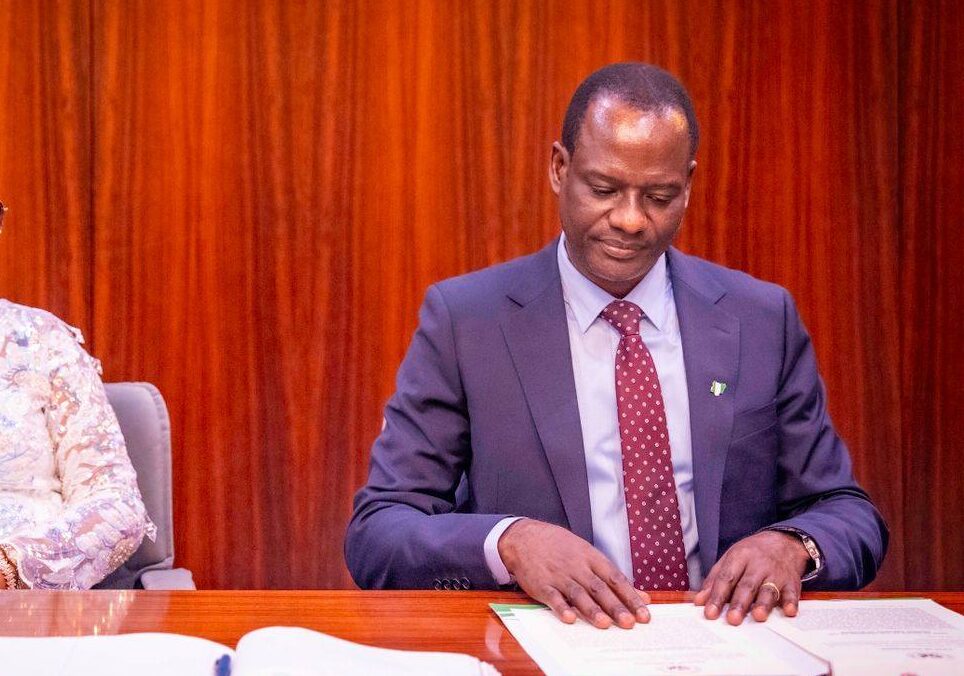
Nigeria has received a multitude of funding offers from both investors and institutional lenders, according to Taiwo Oyedele, the Minister of Finance and Coordinating Minister of the Economy. Speaking in an interview with Bloomberg TV, Oyedele indicated that the current market environment presents a strategic opportunity for the nation to refinance some of its existing, more costly debt obligations while simultaneously mobilizing additional resources for crucial development projects.

“We think that the timing is good for us to be able to maybe even refinance some of our expensive past debts, but also to raise more funding for our development at this critical time,” Oyedele stated. He emphasized that the government is carefully evaluating various financing options, including potential Eurobond issuances or other commercial financing avenues, with decisions contingent upon prevailing market conditions, the required funding amount, and the desired speed of access.

The minister highlighted that Nigeria is also in discussions with institutional lenders such as the African Finance Corporation (AFC), the African Development Bank (AfDB), and Afreximbank, in addition to exploring financing arrangements with other countries. “We have many options,” he confirmed, underscoring the significant interest from investors in Nigeria.

Advertisement

Oyedele’s remarks come as Nigeria faces a budget deficit estimated at around N30 trillion for the current year. He noted that the government is keeping its financing options open, including access to less-costly concessionary loans from multilateral institutions like the World Bank. These efforts are part of the broader economic reforms initiated by the Bola Tinubu administration, which have aimed to improve fiscal revenues and attract investor confidence.

The improved outlook for Nigeria is partly attributed to the rise in crude oil prices, which has strengthened the country's external earnings position. This has led to a decline in the premium investors demand for holding Nigerian dollar-denominated bonds over U.S. Treasury securities, signaling growing confidence in the nation's creditworthiness. However, Oyedele also acknowledged that rising global oil prices contribute to inflationary pressures, making economic management a complex task.

The government's objective is to ensure the efficient use of all resources, stating, “The goal is to get the best results from every dollar or every naira that we spend.” This focus on efficiency and strategic financing is intended to support the country’s development priorities effectively.

Advertisement

Advertisement