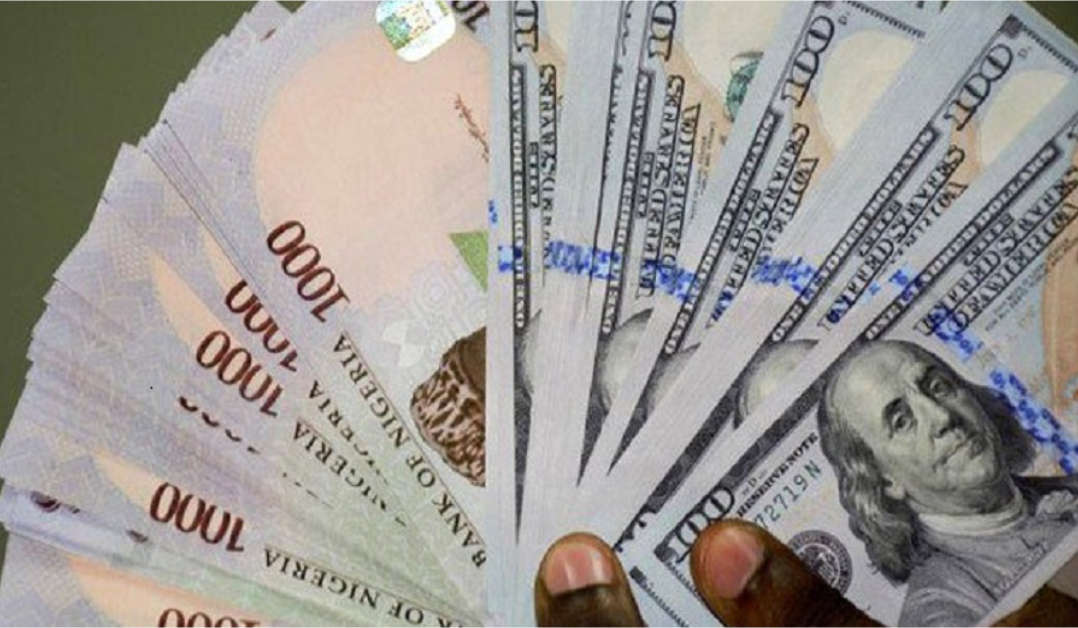
The naira depreciated to N1,349/$ on Monday, down from N1,342.5/$ recorded at the close of trading on Friday, according to data from the Central Bank of Nigeria (CBN).
This decline occurred as the U.S. dollar weakened against major global currencies, influenced by renewed optimism over potential peace talks related to the Iran conflict.
Global foreign exchange markets reacted to signals suggesting a possible ceasefire, despite ongoing tensions between Washington and Tehran.
The dollar index fell by 0.39% to 98.07, marking a 1.78 percent decrease in April after a 2.27% rise in March. Concurrently, the euro strengthened by 0.16% to $1.1781, and the British pound rose by 0.16% to $1.3535. The Japanese yen saw a slight weakening of 0.1% to 158.81 per dollar.
In contrast, the naira depreciated to N1,349.67 per dollar from N1,342.5 per dollar. Intraday trading saw the naira fluctuate between N1,341 and N1,353, with an average rate of N1,349.72 per dollar.
These figures highlight diverging currency trends, with global optimism bolstering other currencies against the dollar while local pressures continue to impact the naira.
Market sentiment improved following indications that Iran might re-engage in negotiations with the United States, fostering hopes for a de-escalation of regional tensions. However, recent developments continue to present risks to stability.
Iran is reportedly considering attending peace talks with the United States in Pakistan, following diplomatic efforts to ease tensions. This comes after the United States seized an Iranian cargo ship accused of breaching its blockade, which prompted threats of retaliation from Tehran.
The ongoing conflict, now in its eighth week, has disrupted global energy supplies and heightened uncertainty in financial markets. Oil prices surged by more than 5% due to supply concerns linked to disruptions in the Strait of Hormuz.
These developments have influenced investor behaviour, with shifting expectations around risk and safe-haven assets shaping currency movements.