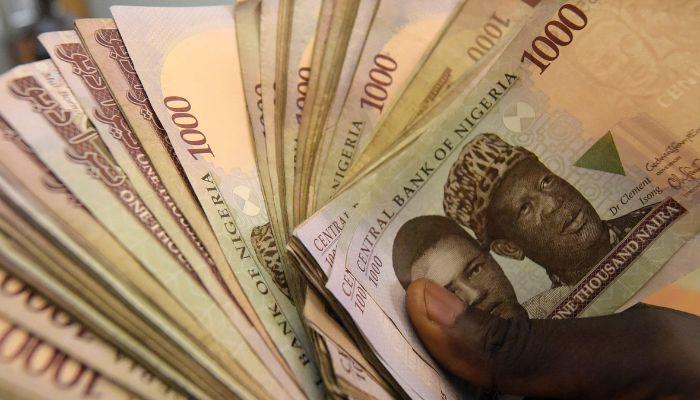
The Naira weakened slightly to N1,387/$ on Tuesday, a marginal depreciation from the N1,386.75/$ recorded in the previous session, according to data from the Central Bank of Nigeria (CBN).
This movement occurs as Nigeria’s external reserves declined to $49.29 billion by the end of March 2026. The reserves saw a decrease of approximately $547 million between March 11, when they stood at $50.03 billion, and March 30, 2026.
The depreciation in the Naira reflects ongoing pressure in the foreign exchange market, despite relatively stable global currency movements. Market activity recorded a total turnover of $30.95 million across 44 deals, indicating moderate trading volumes in the official window.
During intra-day trading, the Naira fluctuated between N1,385.5/$ and N1,388/$, with an average rate of N1,386.69/$. The decline in foreign reserves was a gradual process over the period, rather than a single sharp drop.
These developments are occurring against the backdrop of Nigeria’s ongoing foreign exchange reforms. Since mid-2023, the CBN has been implementing a more market-driven exchange rate system. While these reforms have enhanced transparency and narrowed the gap between official and parallel market rates, they have also made the Naira more susceptible to market forces, leading to periodic volatility.