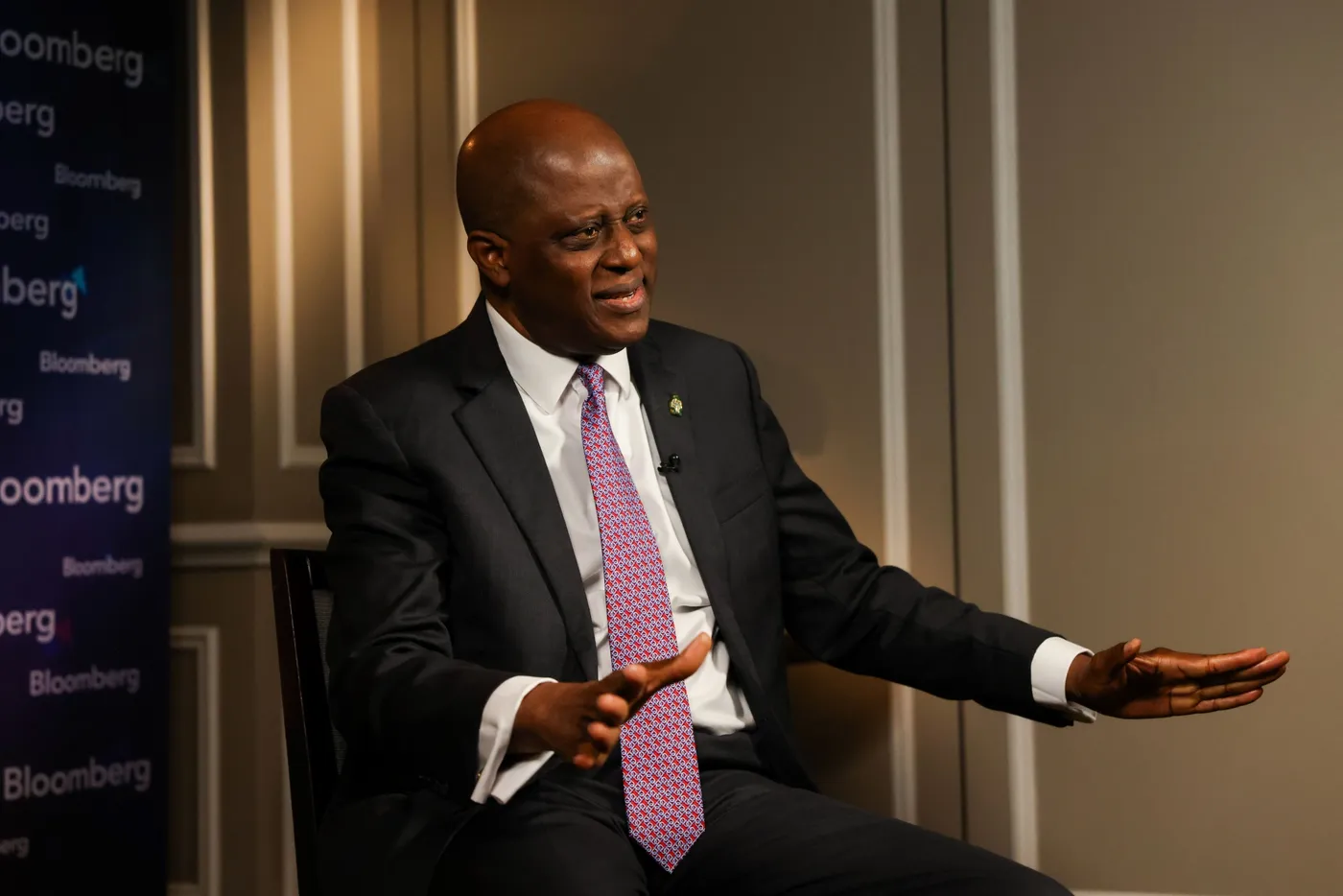
A draft framework circulating within Nigeria’s fixed income market suggests the Central Bank of Nigeria (CBN) and the Financial Markets Dealers Association (FMDA) may be considering significant changes to the operating model of over-the-counter (OTC) fixed income brokers.
The draft document proposes a stricter agency-based brokerage structure that would limit brokers from taking proprietary positions, acting as principal in transactions, or engaging in securities borrowing and lending activities.
However, the framework has not been formally issued by the CBN or FMDA, and market participants say discussions are ongoing regarding its potential implications for competition, pricing transparency, and market structure.
A major insider at the CBN has stated the document is not official and is not under consideration, noting that the central bank typically publishes official draft exposure for such documents.
What they are saying
Under the draft framework, brokers would be restricted to acting solely as intermediaries between clients and Authorized Dealer Banks (ADBs), effectively removing their ability to take proprietary positions, act as principal in transactions, or engage in securities borrowing and lending activities.
The proposed rules introduce a sharper distinction between brokerage activities and risk-taking functions in the OTC fixed income market.
- If implemented substantially in their current form, they would transform brokers into pure agency intermediaries while shifting pricing and balance-sheet risk to dealer banks.
- Fixed income brokers must hold a valid SEC licence and all OTC fixed income trades would be intermediated through an Authorized Dealer Bank.
- Brokers would be prohibited from proprietary trading, inventory holding, securities borrowing and lending, and acting as principal in any transaction.
- Pricing responsibility would rest solely with Authorized Dealer Banks, while settlement funds would move through clients’ bank accounts rather than broker accounts.
Brokers would be required to maintain electronic audit trails, while annual compliance certifications signed by senior officers would be submitted to the Central Bank of Nigeria.
The draft framework also provides the CBN with supervisory and inspection rights over brokerage firms operating within the OTC fixed income market.
Meanwhile, millions of Nigerians using Verve cards for everyday payments could face transaction disruptions after a coalition of payment processors, acquirers, and switches threatened to suspend the acceptance of Verve card transactions.
The coalition, in a letter dated May 28, 2026, accused Verve International and Interswitch Limited of multiple regulatory and competition-related breaches.
They warned that unless urgent undertakings are provided within two days, they will halt acquiring and acceptance of Verve card transactions.
The coalition is made up of several Central Bank of Nigeria (CBN)-licensed operators. If carried out, the move could affect merchants, businesses, POS operators, fintech platforms, and millions of cardholders who rely on Verve cards for payments across Nigeria.
In response, senior sources at Interswitch, owners of Verve, accuse the coalition of mind games, accusing them of bypassing networks, thus increasing the risk of fraud.
What they are saying
The coalition acknowledged the possible consequences of the planned action but blamed the situation on what it described as persistent non-compliance by Verve and Interswitch.
- “This action is neither voluntary nor desirable,” the group stated in the letter, adding that the companies would bear responsibility for any resulting inconvenience suffered by merchants, cardholders, or other stakeholders.
At the centre of the conflict is a Verve policy titled “Transaction Routing Integrity and Prohibition of Network Bypass,” which the coalition claims reinforces exclusive transaction routing arrangements through Interswitch.
The processors alleged that Verve and Interswitch have maintained switching exclusivity arrangements for more than a decade despite regulatory expectations promoting interoperability and competition within Nigeria’s electronic payment ecosystem.