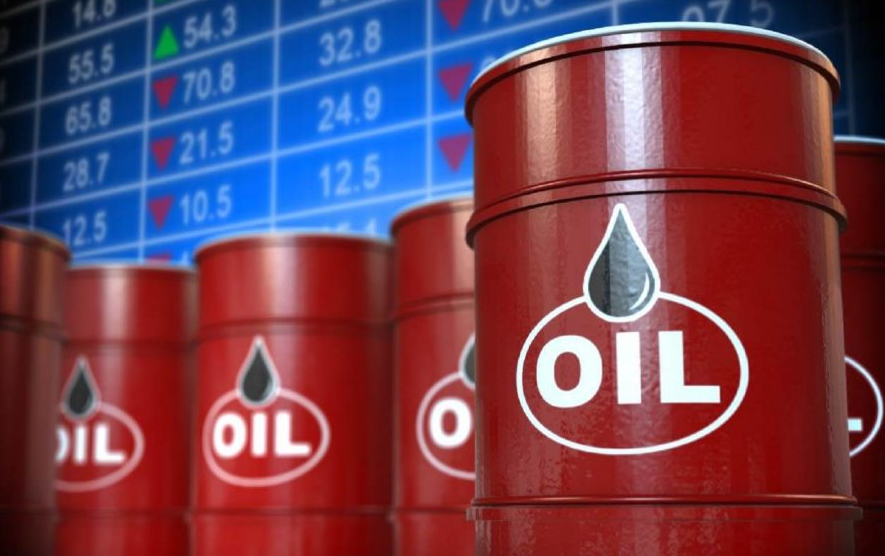
A recent prediction by Citi indicates that Brent crude prices could decline to $60 per barrel by the end of the year, posing significant challenges for Nigeria's economic outlook and its 2026 budget.
This potential fall below the budget's $64.85 per barrel assumption, coupled with Nigeria's historical inability to reliably pump up to 1.84 million barrels per day, could lead to a substantial shortfall in anticipated revenues.
Such a scenario would likely widen Nigeria’s fiscal deficit, necessitating cuts to public spending and weakening the country’s foreign exchange earnings. Oil premiums, which previously helped build Nigeria’s foreign reserves, are no longer available due to a calmer market.
The N23.85 trillion deficit in Nigeria’s 2026 budget is expected to be heavily financed by foreign and domestic borrowing, which would further exacerbate a rising domestic debt service bill.
Earlier in the year, global crude prices had rallied due to military tensions and shipping disturbances at the Strait of Hormuz. Brent crude peaked at $115 on May 1, 2026, but is currently trading around $72 per barrel.
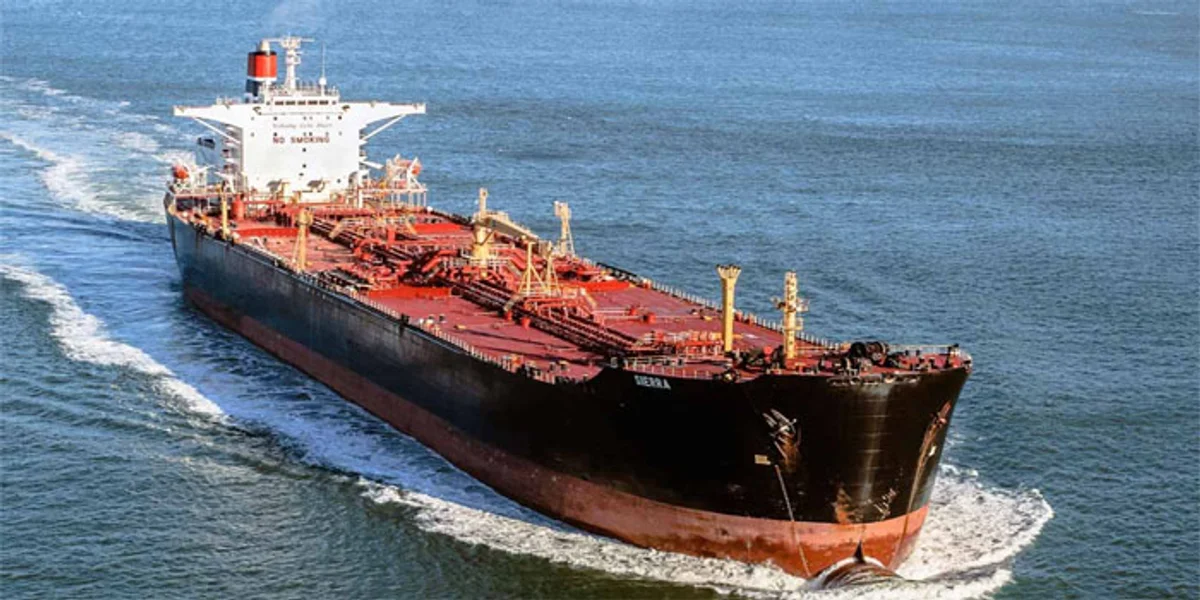
Normal maritime activities through the Strait of Hormuz have since resumed following a ceasefire negotiated by the US and Iran. As these geopolitical price premiums fade, primarily due to weaker demand from China and global oversupply, Brent crude is expected to fall from over $80 per barrel down to $60, as predicted by Citi.
The risk associated with oil prices has diminished with the de-escalation of hostilities. Even during the worst supply disruptions, European powers were ready to accept payment for vessels to transit the world’s busiest shipping channel. Brent oil has slumped about 30% in the second quarter, losing all gains made during the conflict.
Citigroup Inc. Strategists, led by Francesco Martoccia, noted that “Fundamentals are rapidly reasserting themselves.” Martoccia added, “Shipping flows are normalizing, Chinese buyers remain absent, physical crude markets have weakened sharply, and inventories have drawn far less than expected.”
He further explained that some leading European powers now understand they may need to agree to pay transit fees to Iran and Oman to use the Hormuz route to continue to have access to oil and products.
Shipping activity in the Strait of Hormuz, a narrow passage connecting the Persian Gulf with the Gulf of Oman, has picked up after ships received assurances of safe passage. This return to equilibrium in the global energy market, with increased supplies, contributed to the swift 30 percent drop in Brent crude prices during the second quarter.
Analysts anticipate the initial period to be volatile as shipping lines re-balance and insurance markets react to residual capacity constraints. However, the resumption of orderly transit and normal shipping patterns implies that operators consider the current risk level more manageable.
Goldman Sachs highlighted that the oil market will swing back to a glut following the end of the Iran war and the return of the Hormuz shipping lane. Morgan Stanley also lowered its oil outlook twice this week on the prospects of a surplus.
Brent crude stood at slightly over $72 per barrel on Friday and last traded below $60 a barrel in January. Citi’s analysts continue to advocate selling into any summer rallies, with an outlook for Brent to trade between $60-$65 a barrel at year-end. The war between Iran and the US, which began in late February, concluded after an agreement to halt hostilities while negotiations for a long-term accord proceed. The waterway, connecting Persian Gulf producers with international markets, faced a dual blockade during the confrontation.