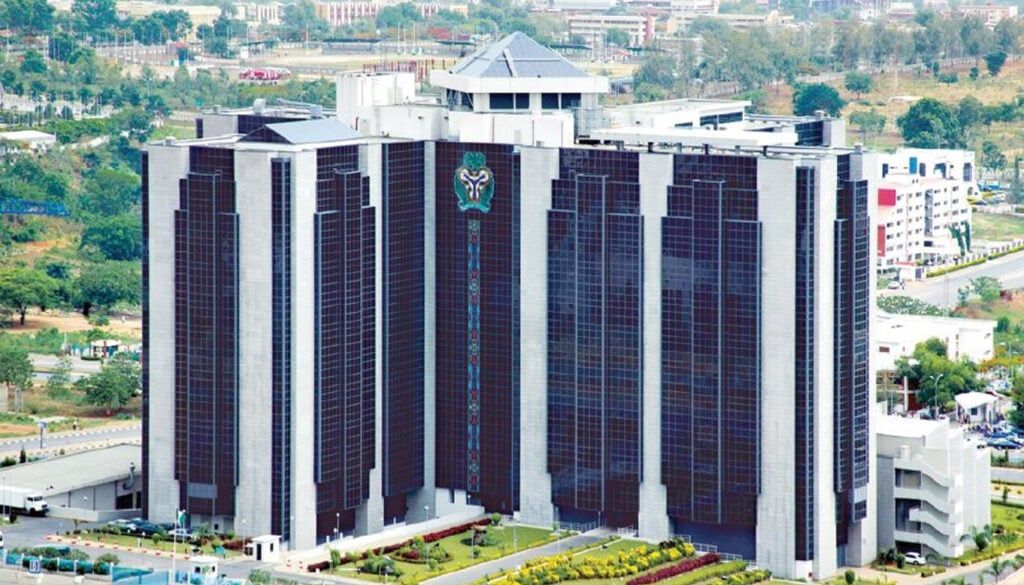
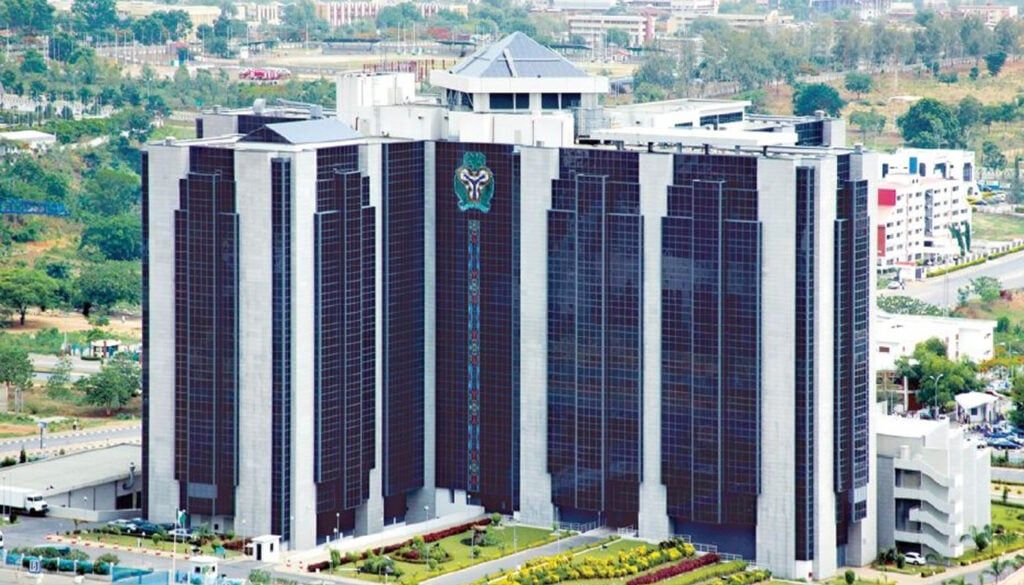
The Central Bank of Nigeria has issued new guidance, effective July 1, 2026, limiting the suspension of payment, delivery, and termination rights under certain financial contracts to a maximum of two business days. This clarification was contained in a circular signed by Okey Umeano, Acting Director of the Financial Markets Department.
According to the apex bank, the guidance provides clarity on the implementation of Sections 34(2)(b) and 40(2) of the Banks and Other Financial Institutions Act (BOFIA), 2020. This is particularly relevant in situations involving failing banks or financial institutions undergoing resolution measures.
The CBN stated that the guidance addresses concerns from market participants regarding the absence of a clearly defined timeframe for suspensions under the relevant BOFIA provisions. This gap had previously created uncertainty for counterparties transacting with Nigerian financial institutions.
Under the new framework, any suspension of payment or delivery obligations under an affected contract, as well as the suspension of termination rights relating to a failing bank or institution subject to resolution measures, cannot exceed two business days. The apex bank specified that this two-day period will commence from the date the CBN Governor issues a written order or notice of suspension.
The regulator noted that the circular takes immediate effect, aiming to reduce uncertainty and strengthen confidence. The CBN said the clarification is intended to improve transparency in the operation of Nigeria’s bank resolution framework, reduce commercial and legal uncertainty for counterparties, and reinforce confidence in the financial system.
This latest directive comes amid a series of measures by the apex bank aimed at strengthening financial system stability. Earlier this year, the CBN directed banks to deny certain banking services to large-ticket borrowers with non-performing loans recorded in the Credit Risk Management System (CRMS) or licensed private credit bureaus.
The regulator said borrowers whose facilities have been classified as non-performing would be restricted from accessing additional credit facilities. This move is designed to strengthen credit discipline and reduce systemic risk, applying to large-ticket obligors whose total exposure across banks exceeds the Single Obligor Limit and whose financial position could materially affect a bank’s capital adequacy or pose broader risks to the banking system.
Last month, the CBN also proposed new rules to tighten oversight of transactions between banks and their affiliated entities. Under the draft framework, loans, guarantees, asset transfers, and other exposures involving related companies—including fintech subsidiaries, microfinance banks, and holding companies—would be subject to stricter controls, arm’s-length requirements, documentation standards, and regulatory disclosures.
The apex bank said the proposed framework is designed to prevent financial distress in one entity from spreading across a corporate group and threatening the stability of deposit-taking institutions.