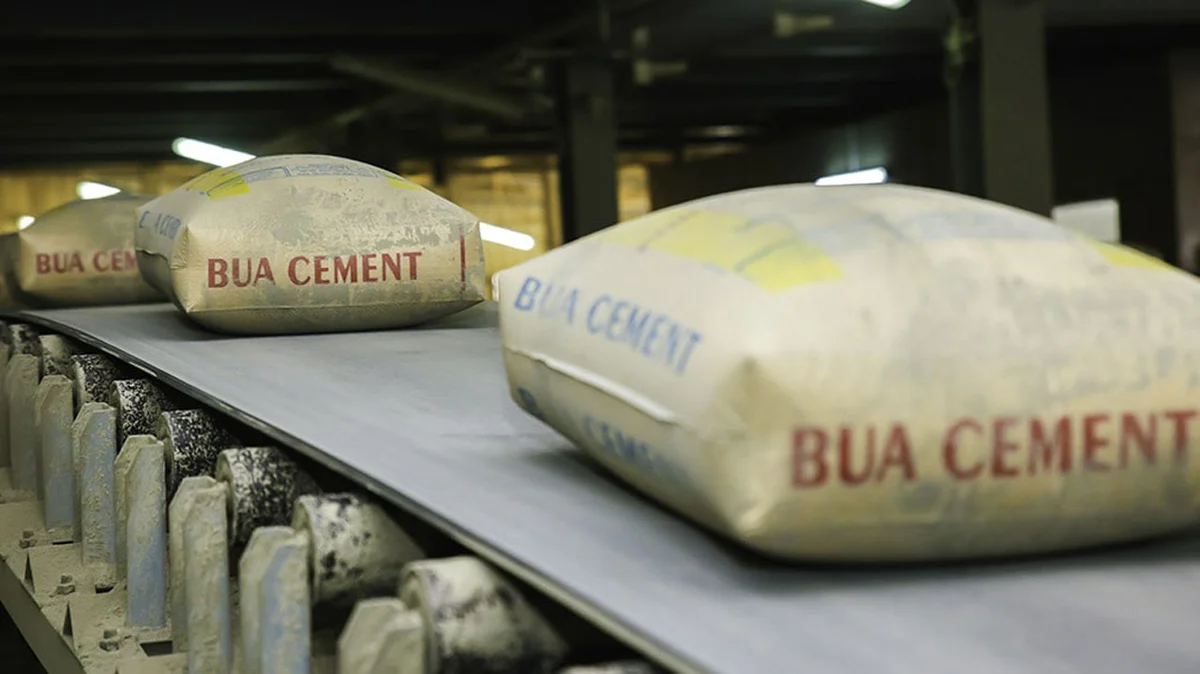
BUA Cement Plc has indicated that cement prices will decline once production and logistics costs become more manageable. The company attributes the recent price increases primarily to foreign exchange depreciation, escalating energy costs, and higher transportation expenses, rather than excessive profit-taking.
During the company’s 10th Annual General Meeting in Abuja, BUA Cement Chairman Abdul Samad Rabiu noted that recent economic reforms, including the stabilization of the foreign exchange market, are beginning to improve planning and reduce cost pressures for manufacturers.
Rabiu explained that the cement industry is highly susceptible to exchange rate fluctuations due to its reliance on imported spare parts, energy inputs, and other production necessities. He highlighted that while naira devaluation presented significant challenges, recent exchange rate stability has improved business planning and is already contributing to lower prices for some commodities.
“The good news is that things are getting better because of the stability. You see, the price of certain commodities is coming down, especially shipping prices,” Rabiu stated. He also asserted that Nigerian cement prices remain competitive when compared to neighbouring markets where the company exports its products.
Rabiu further commented that the foreign exchange reforms, despite initial difficulties, have fostered a more transparent market and eliminated distortions that previously hindered many businesses' access to foreign currency. Manufacturers can now plan six to nine months ahead due to relatively stable exchange rates in recent months.
BUA Cement remains committed to enhancing operational efficiency and reducing costs through investments in energy infrastructure, local production initiatives, and logistics improvements. The company's growth strategy aligns with Nigeria’s industrial development agenda through capacity expansion, market diversification, and operational efficiency measures.
For the 2025 financial year, BUA Cement generated revenue of N1.2tn, an increase from N876.5bn in 2024. Profit before tax saw a substantial rise of 367%, reaching N465.3bn from N99.6bn in the previous year. Profit after tax also grew by 381.7%, from N73.9bn to N356bn.
Managing Director and Chief Executive Officer Yusuf Binji elaborated on the company's pricing structure, stating that energy constitutes approximately 60% of cement production costs, making the industry vulnerable to foreign exchange and energy price shocks. “As you know, the price of cement, rightly or wrongly, is a consequence of input costs,” Binji said.
Binji provided an example of the cost pressures, noting that natural gas expenses at one of their plants in Edo State increased from about N4bn per month to N16bn per month following exchange rate pressures. He also pointed to the recent escalation of tensions in the Middle East as a factor contributing to rising diesel prices.
Diesel prices for the company's factories rose from approximately N930 per litre in early March to N1,850 per litre within two months, significantly increasing distribution costs. Binji emphasized that transportation costs, largely driven by diesel prices, account for about half the price of a bag of cement.
BUA Cement's leadership refuted claims that the product was selling for between N13,000 and N15,000 per bag nationwide, insisting that prices in many markets are substantially lower. Binji cited prices from the northern region at N11,100 per bag as of the previous day.
Binji assured consumers that the company would continue to review prices in line with economic realities, aiming to provide fair and decent prices to Nigerians. The company is proceeding with major expansion projects, including a new production line in Ososo, Edo State, nearing completion, and plans for another line in Sokoto. These projects are expected to add six million tonnes to the company’s annual production capacity, bringing the total installed capacity to 23 million tonnes per annum by the end of next year.
Demand for cement remains strong, supported by ongoing infrastructure projects. BUA Cement has invested heavily in bulk cement distribution, acquiring 500 specialised trucks, with plans to acquire an additional 500 due to increasing demand from major highway projects. The company has temporarily reduced exports to prioritize local supply as domestic consumption rises.
Shareholders approved a final dividend of N10 per ordinary share for the 2025 financial year, totaling a payout of N338.64bn.
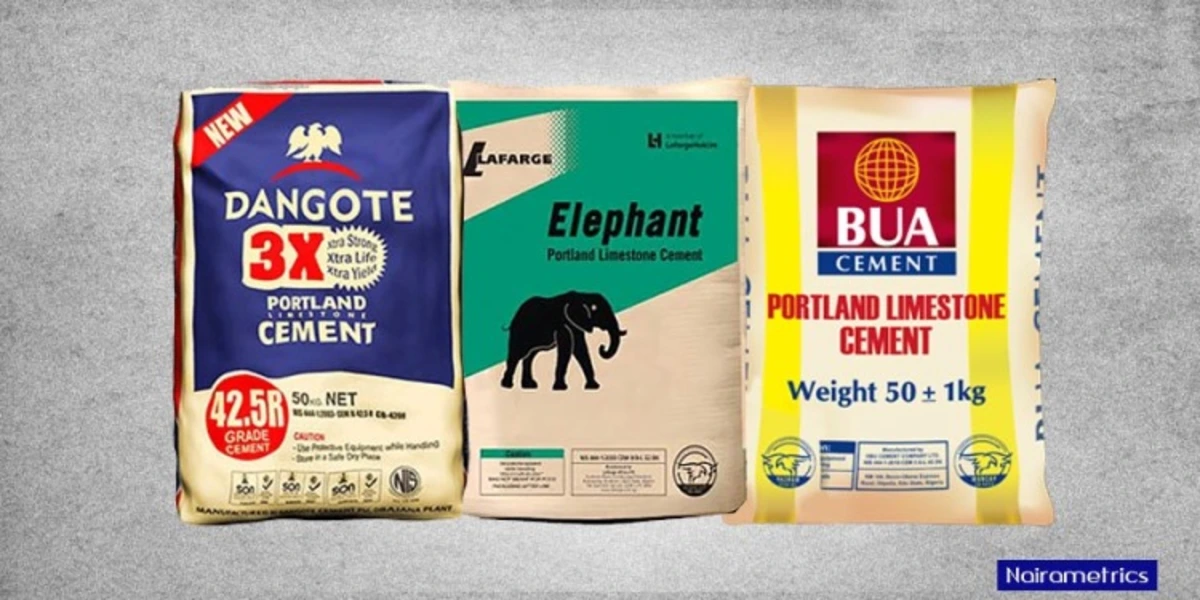
Meanwhile, Nigeria’s three largest cement producers—Dangote Cement, BUA Cement, and Lafarge Africa—reported strong profitability expansion in their Q1 2026 results. Their combined net profit margin rose from approximately 22% in Q1 2025 to nearly 32% in Q1 2026. BUA Cement recorded the highest net profit margin at 49.69%, followed by Lafarge Africa at 29.25% and Dangote Cement at 26.80%. This margin expansion occurred despite rising operating expenses linked to higher energy costs.