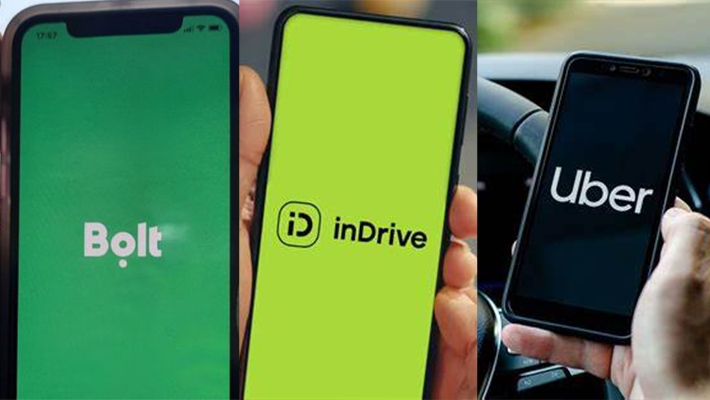
Uber Technologies Inc. has reported that its platform facilitates N6.1bn in collective annual earnings for drivers across Nigeria. This comes as app-based transport operators in Lagos, the nation's commercial hub, initiated a strike. The walkout, which began on Monday, continued through Tuesday and Wednesday, disrupting services on platforms including Uber, Bolt, and inDrive.
Union statements indicate that the strike was prompted by escalating operational costs, unremunerative fares, and difficult working conditions. Drivers have logged off their apps, leading to a temporary reduction in ride availability throughout Lagos and highlighting the growing tensions within the city's ride-hailing sector.
Uber emphasized the crucial role drivers play in its operations. "Drivers are at the heart of our business, and we remain committed to engaging constructively with them through regular roundtable discussions," the company stated.
The N6.1bn figure, as detailed in Uber's 2023 Economic Impact Report for Nigeria, represents the total additional income generated for drivers utilizing the Uber platform nationwide. This figure does not represent individual earnings, which are variable and depend on factors such as completed trips, hours worked, and operating expenses.
Uber commenced its operations in Nigeria in 2014, initially in Lagos, before expanding to Abuja, Port Harcourt, and Ibadan. The company has since established itself as a leading ride-hailing service provider in the country, competing with platforms like Bolt and inDrive.
This is not the first instance of Lagos drivers staging a strike. Previous walkouts have occurred due to low fares, high commission charges, and rising operational costs. The recurring nature of these strikes underscores the persistent friction between ride-hailing platforms and their drivers, despite the significant earnings generated through the platforms.
Uber has expressed its commitment to ongoing dialogue with drivers, indicating a preference for negotiation to resolve disputes. The outcomes of these discussions are anticipated to influence fare structures, commission rates, and operational practices within Lagos's competitive ride-hailing market.