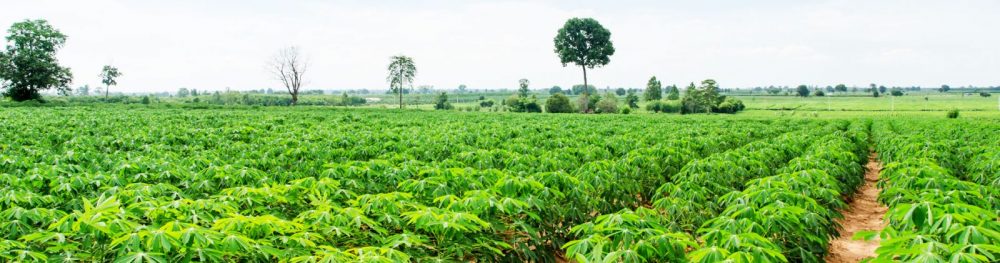
A significant bird invasion has destroyed crops across more than 250 hectares of farmland under the Bakalori Irrigation Scheme in Zamfara State. This incident affects over 1,500 farmers and threatens to worsen food production in one of Nigeria’s key agricultural states.
Malam Yakubu Yahaya, Chairman of the Bakalori Water Users Association, disclosed this development on Thursday while speaking with journalists in Talata Mafara. He appealed for urgent intervention from both the state and federal governments.
Government Intervention Sought
The intervention is crucial to prevent further destruction of farmlands across Talata Mafara, Bakura, and Maradun Local Government Areas. While specific affected crops were not detailed, Zamfara is a major producer of staples like millet, sorghum (guinea corn), maize, rice, and beans.
Yahaya stated that farmers’ efforts to drive away the birds have been ineffective, with the infestation continuing to spread. He noted that millions of birds are directly consuming farm products, wiping out crops on over 250 hectares.
He warned that if the situation is not addressed urgently, the losses could extend beyond Zamfara’s farming communities, posing a major setback to the state and national economy. Alhaji Mahe Bala, Acting Director of Bird Control at the Zamfara State Ministry of Agriculture, confirmed the invasion, adding that the state government has escalated the matter to the Federal Ministry of Agriculture.
Recurring Threat and Wider Food Insecurity
This latest invasion is not an isolated incident, as outbreaks of crop-destroying birds have repeatedly threatened agricultural production in several northern states. In 2023, Alhaji Umar Na’amore, representing Argungu Constituency in the Kebbi State House of Assembly, appealed for aerial pesticide spraying after quelea birds devastated about 95,000 hectares of dry-season rice fields.
The quelea bird, native to sub-Saharan Africa, is regarded as the world’s most abundant wild bird species, with populations reaching as high as 1.5 billion after breeding seasons. Reports in 2025 documented recurring invasions of quelea birds across rice-producing communities in Adamawa, Taraba, Sokoto, Jigawa, and Yobe, where farmers reported entire fields being stripped within minutes.
The destruction of farmlands comes as concerns over food insecurity intensify across northern Nigeria. The World Food Programme (WFP) recently disclosed that it requires $89 million over the next six months to sustain emergency food assistance, nutrition programmes, and critical logistics operations in conflict-affected northern states.
The UN agency warned that more than 17 million Nigerians in northern Nigeria currently face acute food insecurity due to conflict, displacement, and inadequate humanitarian funding. Borno State is particularly severe, with over three million people estimated to be food insecure, including over 750,000 experiencing severe hunger and more than 10,000 facing catastrophic levels of food deprivation.
Despite about 6.2 million people across Borno, Adamawa, and Yobe requiring food assistance, current WFP funding allows it to reach only around 740,000 beneficiaries, significantly lower than the 1.3 million people supported during the peak of the 2025 lean season. Fresh crop losses from bird invasions could place additional pressure on food supplies and rural livelihoods.