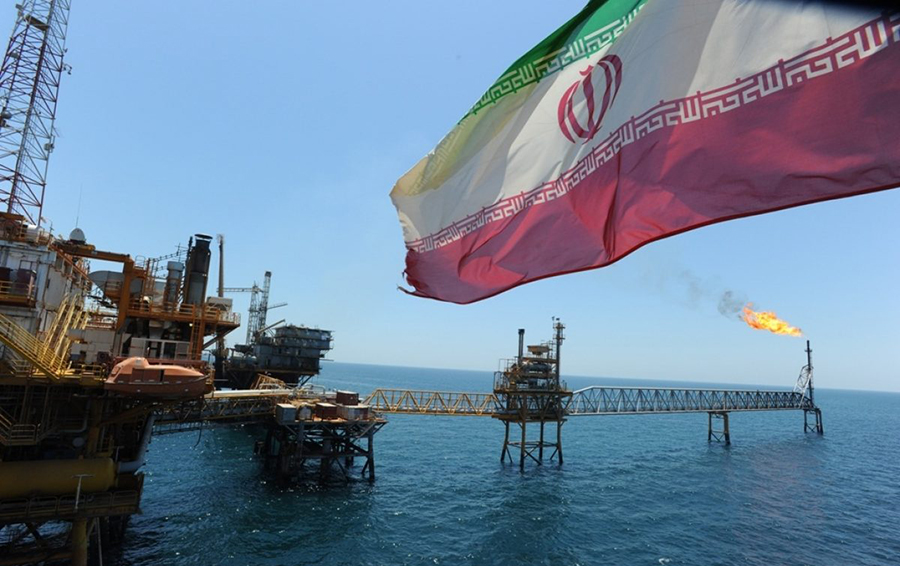
Security, economic, and policy analysts have noted that the ongoing Iran–Israel–US conflict has exposed deep weaknesses in Nigeria’s ability to anticipate, absorb, and respond to external shocks. They argue that the country’s crisis response “toolkits” are no longer sufficient for today’s interconnected global risks.
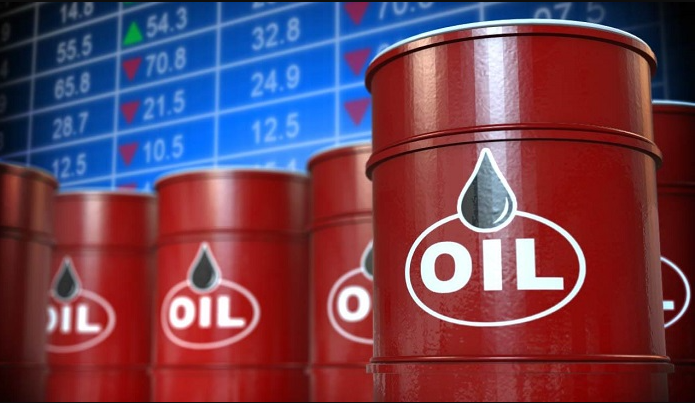
The Middle East geopolitical tension has tightened global oil supply expectations and driven up energy costs. This has reinforced long-standing concerns about the resilience of Nigeria’s economic and fiscal response systems.
Nigeria's current policy stance remains firm against the return of fuel subsidies, alongside efforts to maintain fiscal discipline. However, analysts now question whether existing tools are strong enough to cushion the economy from rapid global volatility.
What they are saying
Policy analysts caution that efficiency gains from the Federal Government’s reforms may not translate into crisis resilience.
Development economist, Dr. Michael Adelusi, warned that the Iran conflict is already affecting global energy pricing and could worsen domestic inflation. “Any disruption in the Middle East immediately reflects in global crude prices. Nigeria feels it almost instantly, whether we are ready or not,” he said.
He added, “The problem is that Nigeria does not have strong enough buffers—strategic reserves, stabilisation funds, or contingency systems—to absorb these shocks.”
A fiscal policy analyst, Bisi Adeyemi, was more direct: “We operate an economy that assumes global stability, but the world we live in is anything but stable. That mismatch is why every global crisis feels like a domestic emergency here.”
Abuja-based policy analyst Ade Onabolu stated, “Targeting is efficient in stable times. But during a global shock, speed becomes the most valuable currency, and Nigeria’s system isn’t built for speed. Reforms alone do not constitute a complete shock-response toolkit. What Nigeria lacks are automatic stabiliser systems that immediately protect households when global crises hit.”
These comments reflect a widening gap between fiscal reforms and real-time crisis response capacity.