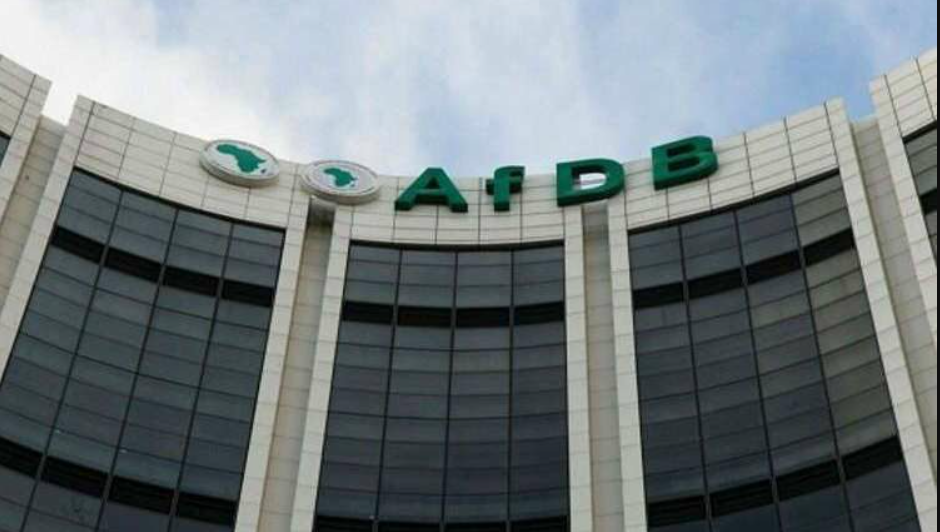
The African Development Bank (AfDB) has committed $86 million to the implementation of Nigeria’s Special Agro-Industrial Processing Zones (SAPZ) Programme as of March 31, marking a significant step in the country’s agro-industrial development efforts.
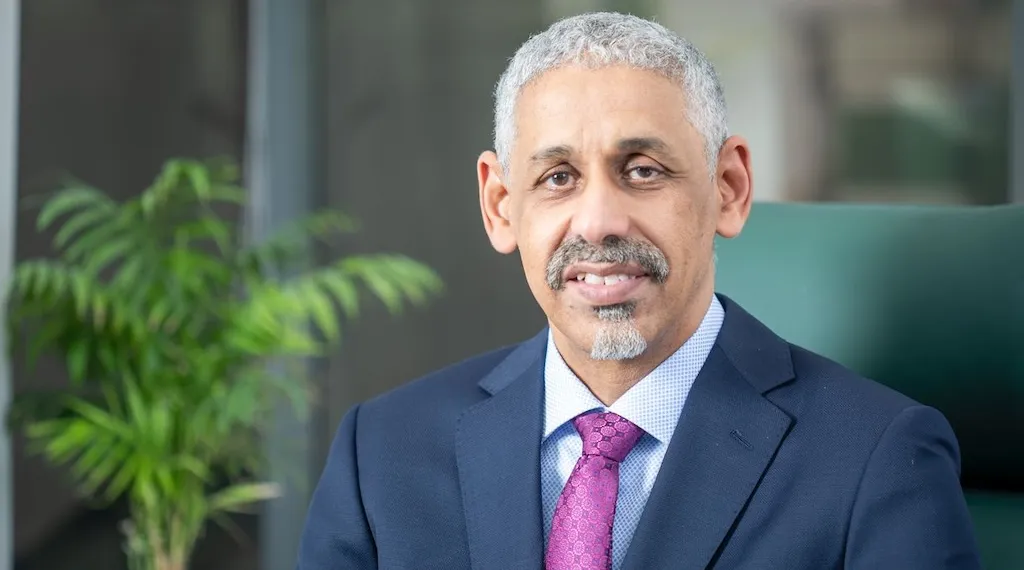
Dr. Orison Amu, Implementation Support Manager at the AfDB’s Nigeria Country Department, announced this during the SAPZ Programme’s Mid-Term Review Meeting in Abuja. The SAPZ initiative is a flagship programme of the AfDB designed to transform agriculture through agro-industrial development.
The programme has recorded a commitment rate of 41% and a disbursement rate of 12%, amounting to $25 million. The AfDB anticipates that commitments will rise to 70% and disbursements to 35% by the end of 2026.
The first phase of the SAPZ programme, approved in December 2021, experienced delays, becoming operational in March 2023 and meeting disbursement conditions in August 2023. This was approximately 20 months after its initial approval.
The SAPZ programme is structured around agricultural production clusters, concentrating farming, aggregation, processing, and distribution activities within designated zones equipped with modern infrastructure. The initiative aims to stimulate investment across agricultural value chains, enhance linkages between producers and processors, and foster economic transformation through climate-resilient infrastructure.
Additionally, Ms. Dede Ekoue, Country Director of the International Fund for Agricultural Development (IFAD), announced that IFAD has approved an additional $50 million for SAPZ implementation. This brings IFAD's total commitment to $100 million, following an earlier $50 million financing agreement.
IFAD-financed components in Kano and Ogun States have already shown positive results, providing agricultural support services to over 17,000 smallholder farmers. More than 14,000 farmers are currently receiving climate information services, and over 9,000 have benefited from improved agricultural inputs.
Ms. Ekoue also highlighted the SAPZ programme's role in connecting farmers to agro-industrial markets through the Multi-Stakeholder Agribusiness Forum (MAF), creating opportunities for women, youth, agripreneurs, and rural enterprises.