Saudi Arabia has announced its decision to open its financial markets to all foreign investors from February 1, 2026, aiming to attract overseas capital and boost market liquidity. This initiative is a key component of the kingdom's Vision 2030 reforms, which seeks to diversify the Saudi economy away from its heavy reliance on oil. The move is expected to reshape investment flows across emerging markets, intensifying competition for global funds.
What you should know
Saudi Arabia's Vision 2030 is a strategic framework to reduce the country's dependence on hydrocarbons and develop various public service sectors such as health, education, infrastructure, recreation, and tourism. Opening up its financial markets is a crucial step in attracting foreign investment and integrating Saudi Arabia into the global financial system. This initiative will allow global investors to directly participate in the Saudi stock market (Tadawul) and other financial instruments, potentially leading to increased market depth and liquidity.
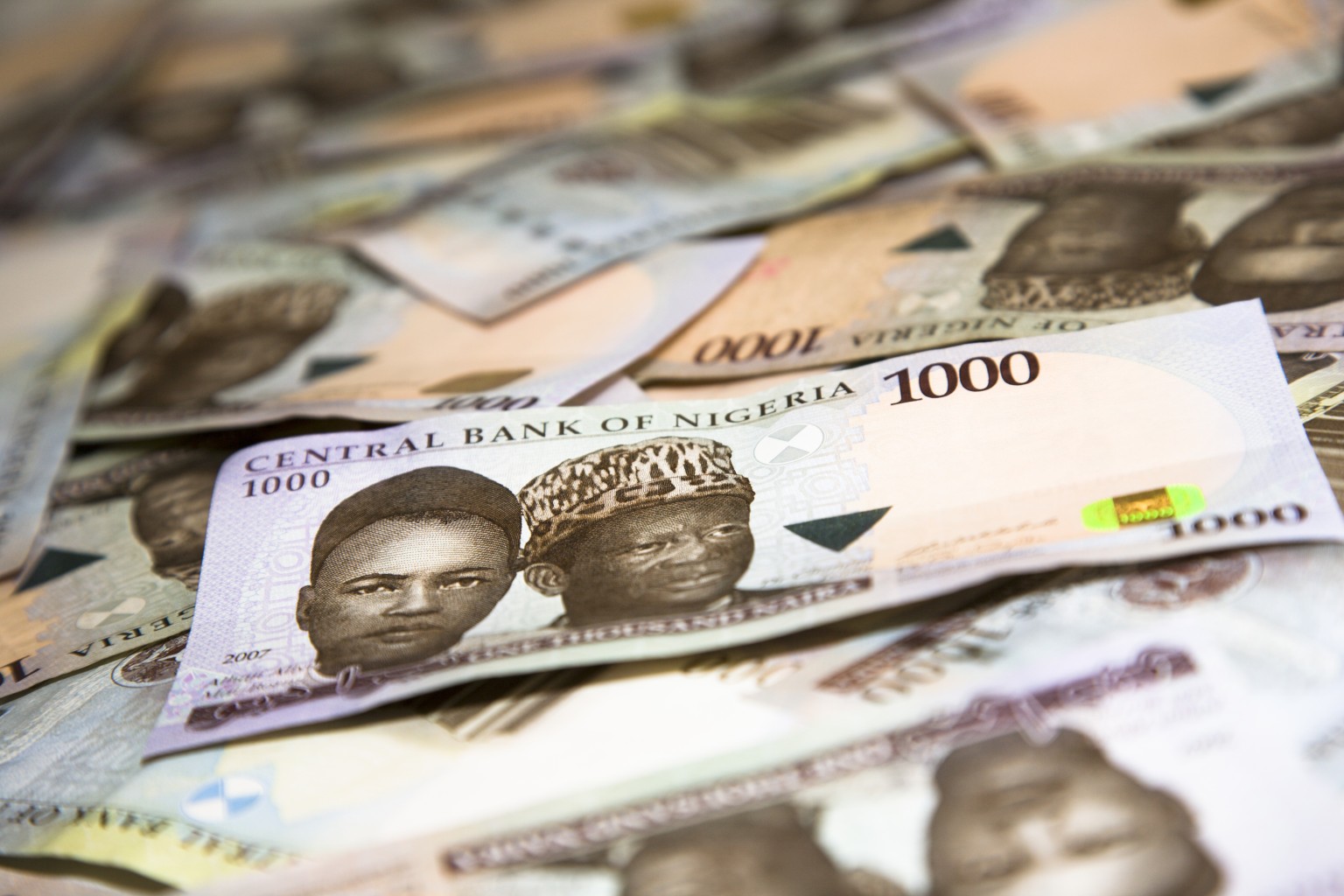
Nigeria, heavily reliant on foreign portfolio investment to support its currency and fund its budget, faces increased competition for global capital. The opening of Saudi Arabia’s financial markets presents a new avenue for international investors, potentially diverting funds away from other emerging markets.
Collins Nweke, a Global Affairs Analyst, noted in a recent TV interview that Saudi Arabia's move supports diversification away from oil, a crucial lesson for Nigeria. He emphasized that the opening is not merely symbolic but a structural reform designed to permanently integrate Saudi Arabia into global portfolio allocation models. According to him, Saudi Arabia has been preparing for this by upgrading its trading systems, clearing and settlement processes, disclosure standards, and regulatory oversight over the past decade.
The immediate impact of this market opening is expected to be a reduction in barriers to entry and improved liquidity. The removal of restrictive qualification requirements, which previously raised costs and slowed down investment processes, is a significant step towards attracting a wider range of foreign investors.
Market implications
The opening of Saudi Arabia’s financial markets could lead to increased volatility in other emerging markets, including Nigeria, as investors reallocate their portfolios. Nigerian policymakers need to accelerate efforts to improve the investment climate, enhance regulatory frameworks, and diversify the economy to remain competitive in attracting foreign capital.
Investors in the Nigerian market should closely monitor capital flows and potential shifts in investment strategies as a result of Saudi Arabia's market opening. Companies listed on the Nigerian Exchange (NGX) may need to enhance their corporate governance practices and improve their attractiveness to foreign investors to mitigate the potential negative impact of increased competition.
This development follows a period of increased focus on emerging markets, and Saudi Arabia's move is likely to further intensify the competition for investment. Nigeria must implement reforms to improve its attractiveness to foreign investors, including addressing issues such as infrastructure deficits, security concerns, and regulatory complexities.