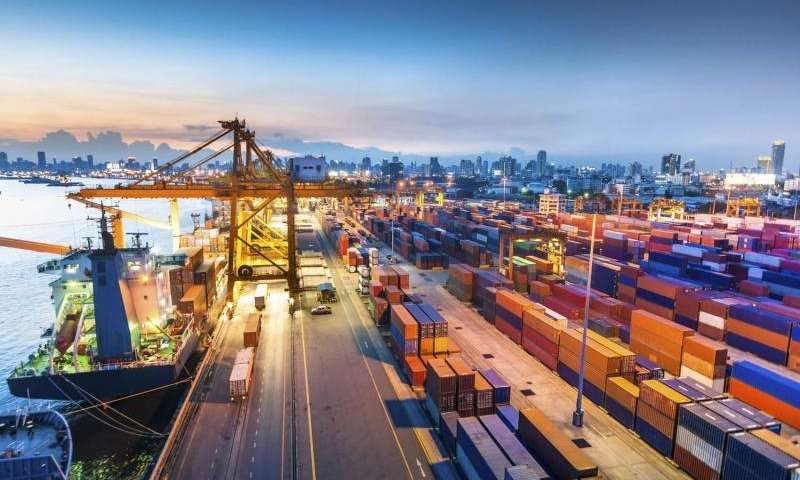
Nigeria’s primary trade gateways, predominantly major seaports and airport cargo terminals, processed the vast majority of the country’s imports and exports in the fourth quarter of 2025. This highlights a significant concentration of trade activities through these key hubs.
The total trade value passing through the top ten seaports and airports amounted to N35.01 trillion. This figure represents a substantial 96.68% of the nation's total trade for the period. In contrast, other trade channels, primarily land borders and an industrial hub, managed goods worth N64.31 billion, constituting a mere 0.18% of the total.
Overall, Nigeria's total trade in Q4 2025 was valued at N35.08 trillion. This figure is composed of exports totaling N18.94 trillion and imports amounting to N16.14 trillion. The remaining share of trade was conducted through minor ports and trade posts not individually itemized in the report.
Apapa Port emerged as the dominant gateway for exports, accounting for over 62% of the export volume among the top trade hubs. This underscores Nigeria's considerable reliance on this single maritime facility for its export activities.
Below is a breakdown of the top 10 terminals, detailing their respective export performance, import volumes, and total trade values for Q4 2025.
10. Calabar Port - Seaport
Calabar Port recorded N345.60 billion in imports.
Exports: N0
Imports: N345.60 billion
The port has historically faced challenges related to draft and sedimentation, which restrict the size of vessels that can dock. Consequently, its cargo volumes remain comparatively low when measured against Nigeria's larger ports.