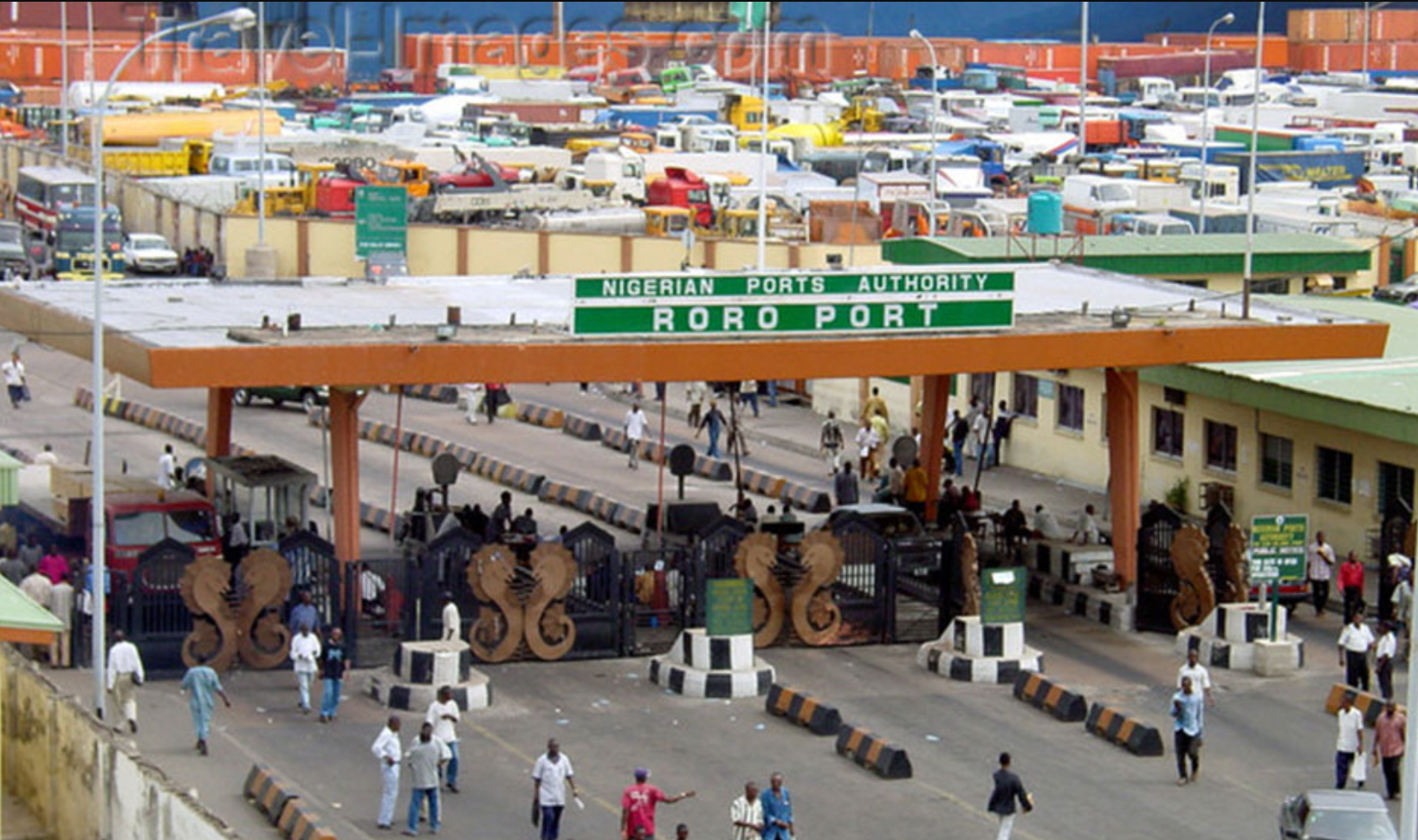
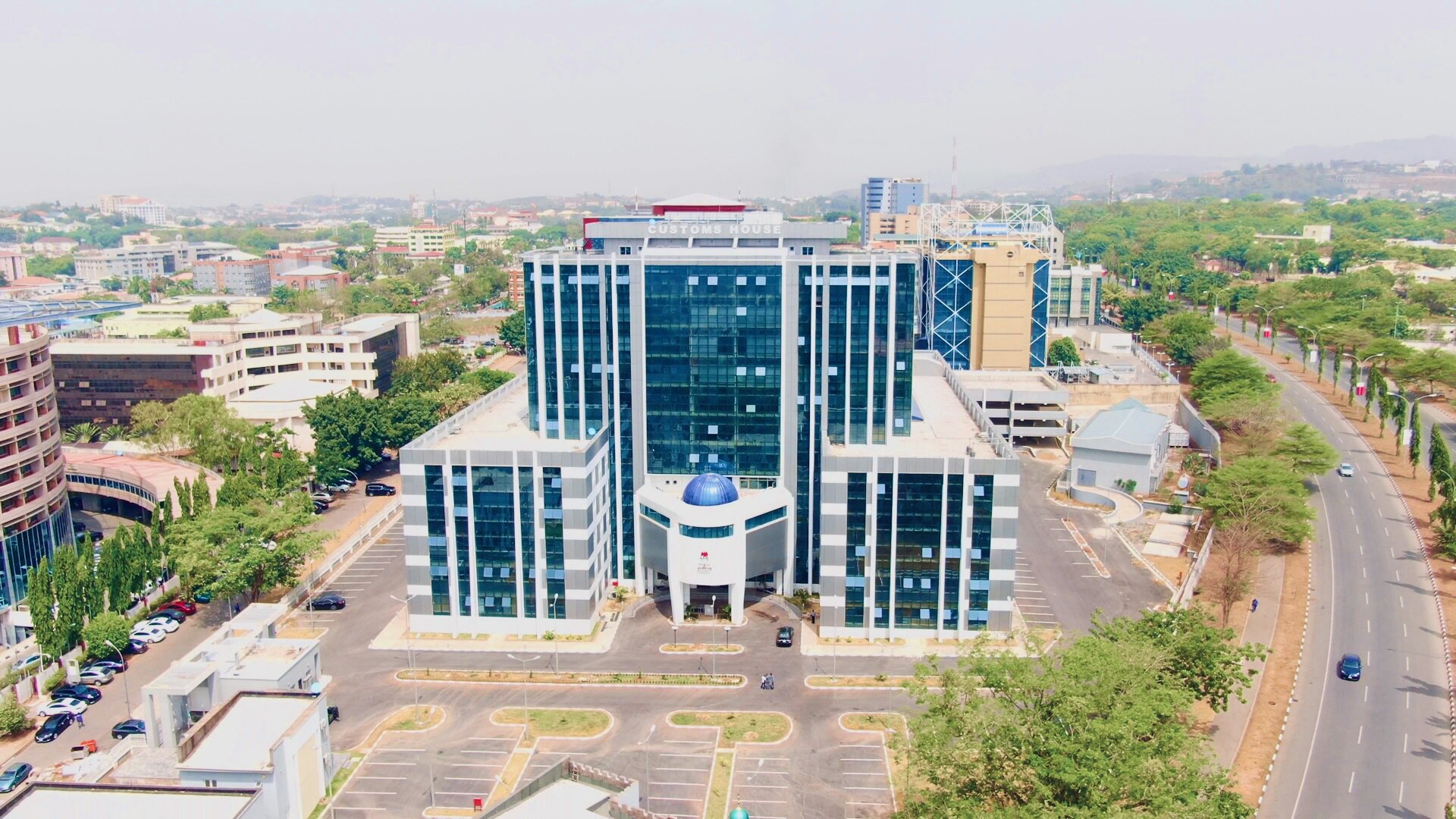
The Nigerian Ports Authority (NPA) has set an ambitious target of N1.489 trillion in internally generated revenue (IGR) for the 2026 fiscal year. This figure signifies a strategic push to enhance earnings from port operations across the nation.
This revenue goal was revealed by the Managing Director of the NPA, Dr. Abubakar Dantsoho, during the agency’s 2026 budget defense session with the Senate Committee on Marine Transport. The target indicates a slight increase from earlier projections, aligning with ongoing efforts to modernize port infrastructure and boost efficiency within Nigeria's maritime sector.
Dr. Dantsoho elaborated that the N1.489 trillion target is N21 billion higher than the N1.468 trillion projected for 2025. Notably, the authority surpassed its 2025 revenue target, achieving an actual revenue of N1.97 trillion.
The NPA's 2026 budget is structured to support these revenue aspirations. A substantial N945 billion is allocated for capital projects, N447.5 billion for operating expenses, and N90.6 billion is designated for remittances to the Consolidated Revenue Fund. This allocation underscores a commitment to both growth and operational effectiveness.
Port modernization projects are identified as a key driver for future revenue growth. The planned upgrades for Apapa and Tin Can Island ports are expected to significantly increase capacity and operational efficiency. These facilities are currently aging and in need of modern infrastructure to handle the growing volume of cargo.
Apapa Port, which is approximately 100 years old, and Tin Can Island Port, operational for over 50 years, highlight the critical need for rehabilitation. Groundbreaking for these modernization initiatives is anticipated to commence within the next two to three weeks.
It is important to note that all revenue generated by the NPA is remitted to the Treasury Single Account, which is managed by the Central Bank of Nigeria. Consequently, the agency does not retain funds directly and must seek allocations for its operational needs.
These reformative measures are deemed essential for sustaining growth and ensuring that Nigeria's ports remain competitive in managing increasing cargo volumes on a global scale.