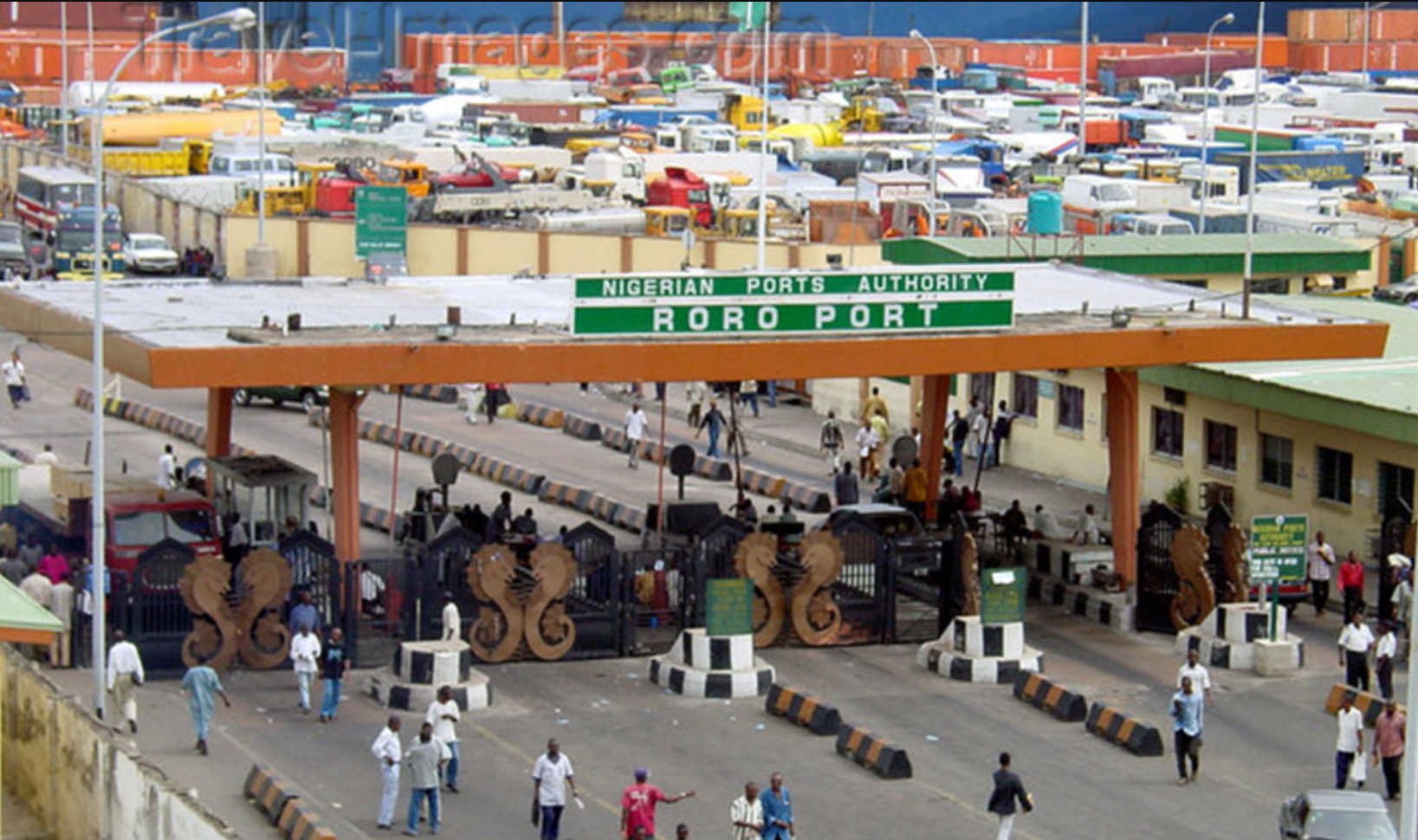
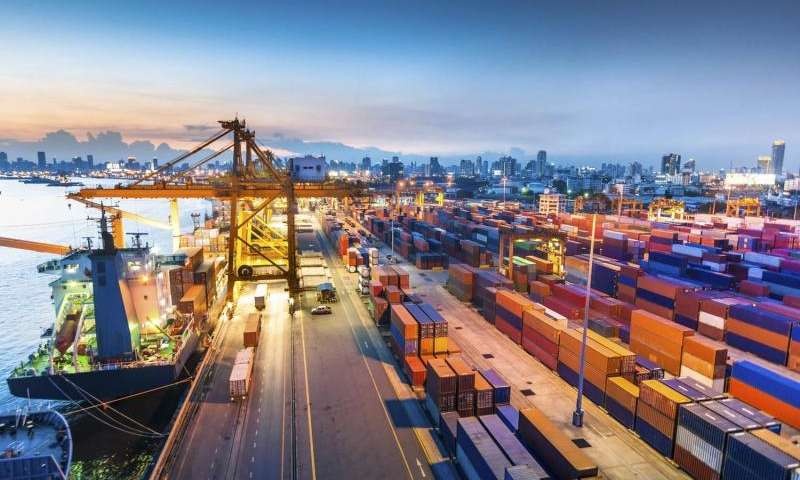
Nigeria's cargo throughput rose to 32.38 million metric tonnes in the first quarter of 2026, marking an 11.6% year-on-year increase driven by stronger port activity across Nigeria’s maritime sector.
The Nigerian Ports Authority (NPA) disclosed that the performance reflects rising vessel traffic, export growth, and ongoing reforms aimed at improving efficiency across the country’s seaports.
The data also shows a broader expansion in shipping activity, with vessel sizes increasing and container movements strengthening across key terminals, including Lekki Deep Sea Port, Apapa, and Onne.
The Managing Director of the Nigerian Ports Authority, Abubakar Dantsoho, stated that the sector recorded notable growth in the first quarter of 2026, supported by increased cargo throughput and larger vessel traffic.
Total cargo throughput rose by 11.6 per cent year-on-year to 32.38 million metric tonnes during the period. Ocean-going vessel Gross Registered Tonnage increased by 19.5% to 46.75 million.
Outward cargo volumes climbed by 23.7% to 14.13 million tonnes. Outward laden containers surged by 67.6% to 102,803 TEUs, while vehicle traffic rose 67% to 58,870 units.
Dantsoho attributed the performance to improved cargo efficiency, rising international shipping confidence, and the deployment of larger vessels linked to operations at Lekki Deep Sea Port, as well as expanding regional trade under the African Continental Free Trade Area.
Nigeria’s port system has been undergoing structural changes in recent years, with new deep-sea infrastructure reshaping cargo distribution patterns across the country.