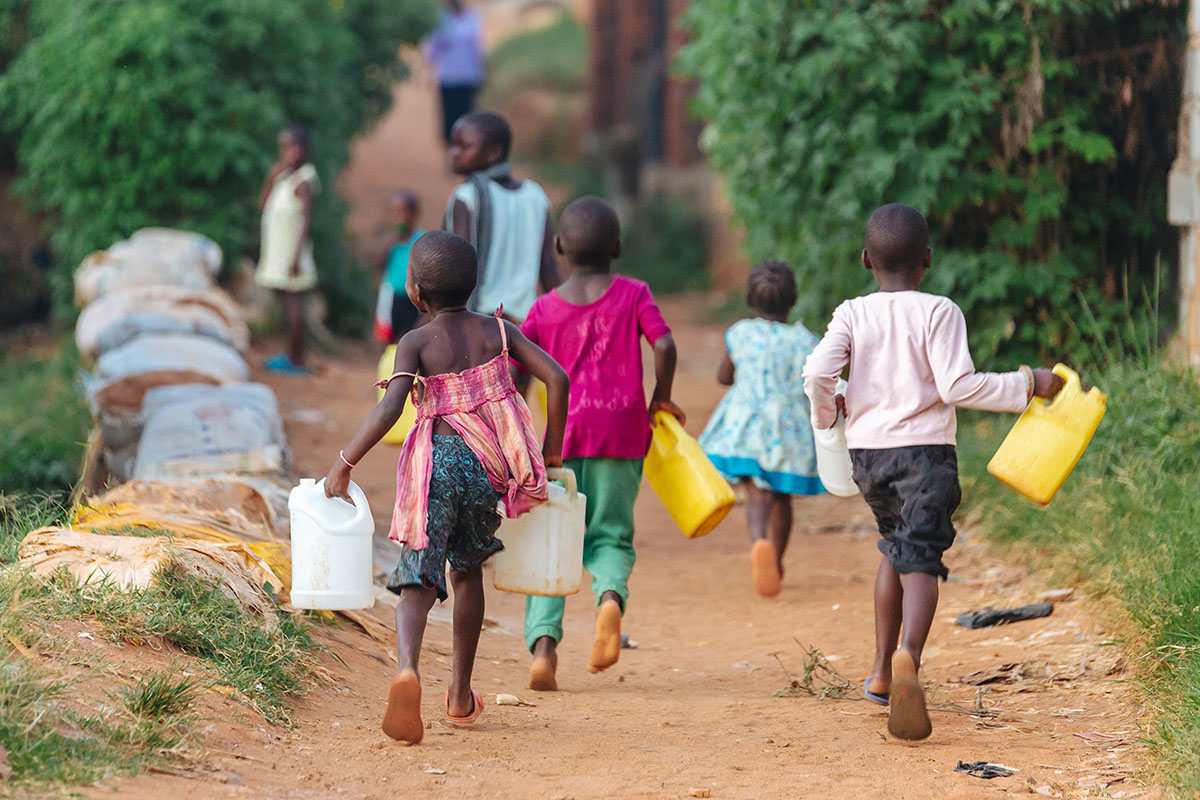
UNESCO has revealed that the number of out-of-school children and young people worldwide has risen to 273 million, marking the seventh consecutive year of increase. The agency disclosed this in its 2026 Global Education Monitoring (GEM) report, highlighting growing challenges in access to education across regions.
The report shows that one in six school-age children globally is out of school, while only two in three complete secondary education.
What UNESCO is saying
According to UNESCO, progress in keeping children in school has slowed significantly since 2015 across most parts of the world. The organisation identified conflict and rapid population growth as major factors driving the increase in out-of-school children.
- UNESCO also warned that in conflict-affected areas, the crisis is even deeper, with many children not captured in official statistics.
- Over the past two decades, global education has seen major improvements, with access to schooling expanding significantly.
- UNESCO noted that since 2000, enrolment has increased rapidly, with more than 25 additional children gaining access to school every minute.
- Several countries have also made notable progress in reducing out-of-school rates and expanding access to education at different levels.
More insights
Despite earlier gains, the report highlights a slowdown in progress, raising concerns about the global education agenda. The findings show that many children who enrol in school are still unable to complete their education, particularly at the secondary level.
UNESCO stressed that education systems are under pressure from rising populations, insecurity and limited resources.
What you should know
The rising global number of out-of-school children reflects a broader education crisis, particularly in developing regions such as sub-Saharan Africa. According to Nairametrics, Sub-Saharan Africa faces a $70 billion annual education financing gap, driven by chronic underfunding and unequal spending, which continues to limit access to quality education for millions of children.
The report noted that while low- and middle-income countries require about $461 billion annually to meet education targets between 2023 and 2030, current funding levels fall significantly short. This funding gap has major consequences, with governments in affected regions spending as little as $55 per student annually, compared to over $8,500 in high-income countries.
Nigeria has one of the highest numbers of out-of-school children globally, with estimates ranging between 18 million and 20 million, driven by poverty, insecurity and regional inequalities.