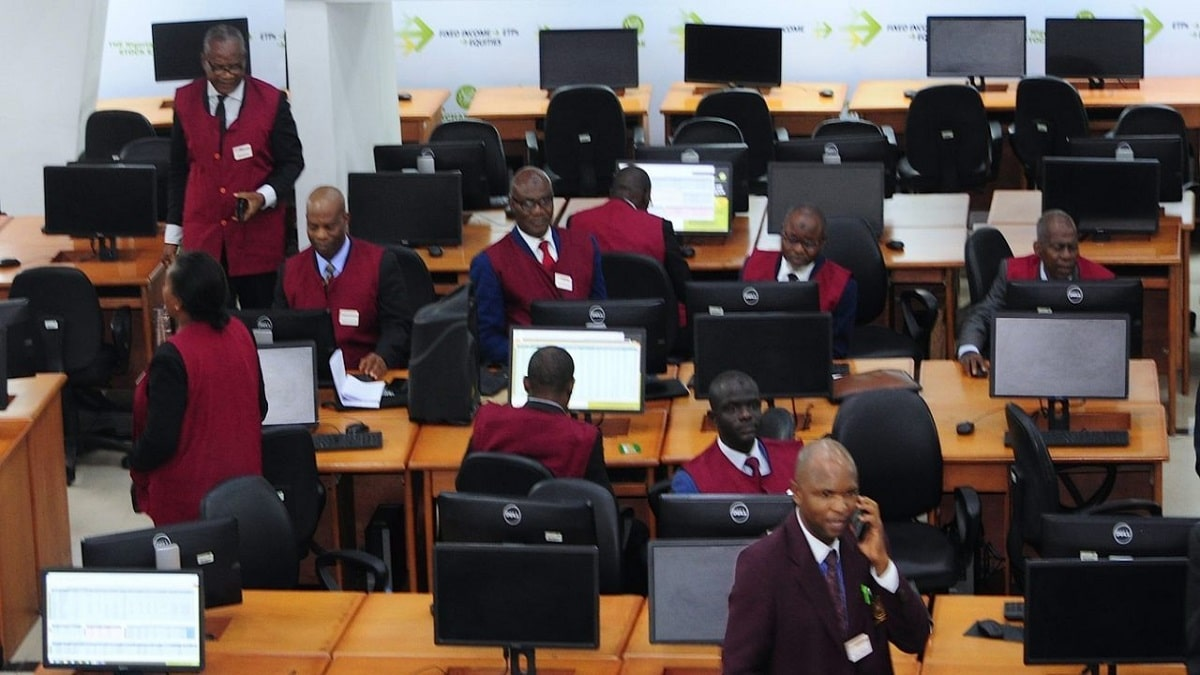
Nigeria's stock market has achieved a new high, with market capitalization surpassing N104 trillion as of January 12, 2026, driven by increased market activity and positive investor sentiment. The All-Share Index (ASI) climbed 946.6 points to close at 163,244.7 points, signaling a strong start to the year for the Nigerian Exchange Limited (NGX).
This surge in market value builds upon the momentum gained in 2025, a year marked by significant improvements in macroeconomic conditions and sustained market reforms. The Nation newspaper reported earlier in the week that the market had already hit the N100 trillion mark, opening the year on a positive note. Trading on the NGX closed on December 31, 2025, with Nigeria's capital market ranking among the strongest-performing globally.
According to Meristem research analysts, the positive performance is attributable to improved macroeconomic conditions, stronger earnings, higher dividends, and increased foreign participation. They also noted that easing inflation and a more dovish policy stance supported receding treasury yields in the fixed income market.
Temi Popoola, CEO of NGX Group, stated the Group aims to strengthen its role as Africa's preferred exchange hub, emphasizing the opportunities ahead and a commitment to positioning Nigeria's capital market as a key driver of economic growth and wealth creation.
The market's strong performance in early 2026 suggests continued investor confidence in the Nigerian economy. Market watchers believe that ongoing reforms and favorable yield dynamics will continue to support equities, though investors remain mindful of the potential impact of new tax laws implemented at the start of the year.