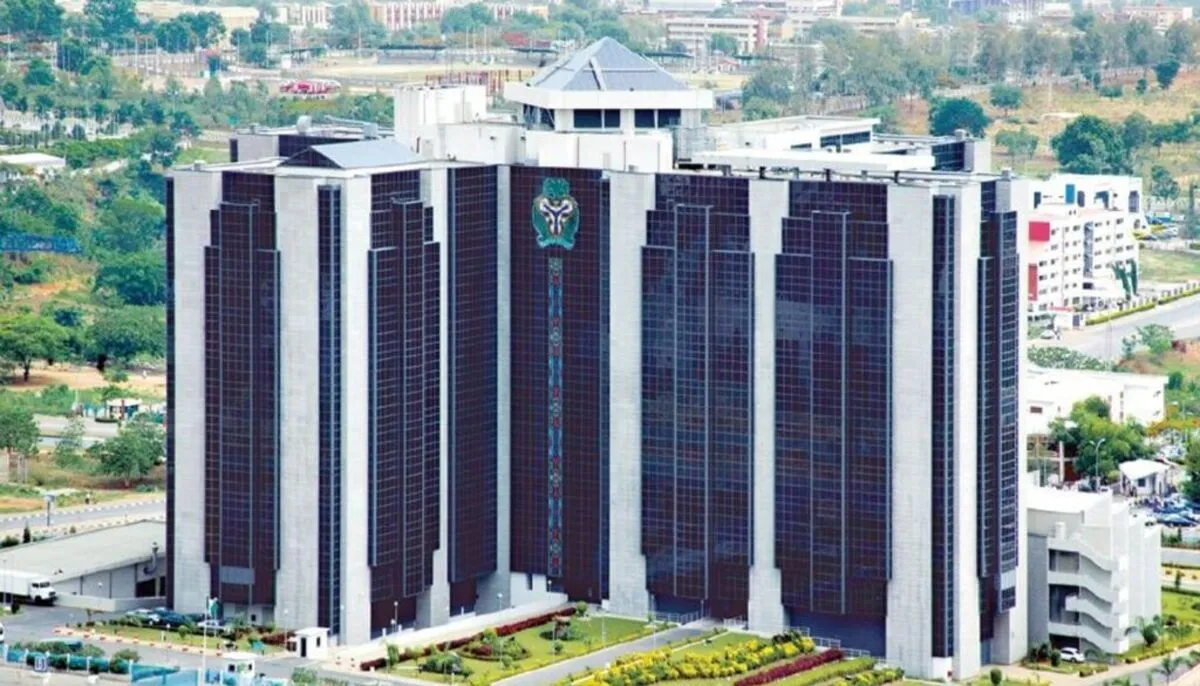
Nigerian banks have seen a marginal but notable dip in credit extended to the private sector, falling to N75.24 trillion in January 2026. This figure is down from N75.83 trillion recorded in the preceding month of December 2025, according to the latest monetary and credit statistics released by the Central Bank of Nigeria (CBN).
Credit to the private sector, which encompasses loans, non-equity securities, trade credits, and accounts receivable provided by financial institutions to businesses and households, has remained below the peak levels witnessed in 2025. This trend indicates persistent volatility in credit conditions and points to a cautious lending environment at the commencement of the year.
The latest CBN data suggests that aggregate lending conditions remain tight, even as policymakers signal a gradual shift towards easing. The banking sector appears to be measured in its lending activities. This decline in private sector credit was accompanied by a broader slowdown in domestic credit expansion across the economy. The contraction in money supply further underscores the prevailing tightening liquidity conditions, which may partially explain the dip in overall credit levels.
These latest credit figures emerge amidst recent policy adjustments by the CBN’s Monetary Policy Committee (MPC). These adjustments are aimed at achieving a delicate balance between inflation control and fostering economic growth. The intended effect of these policies was to incentivise lending to the real sector, steering away from risk-free placements with the apex bank. The current trend in private sector credit, however, suggests that the desired acceleration in lending to businesses has yet to fully materialise.