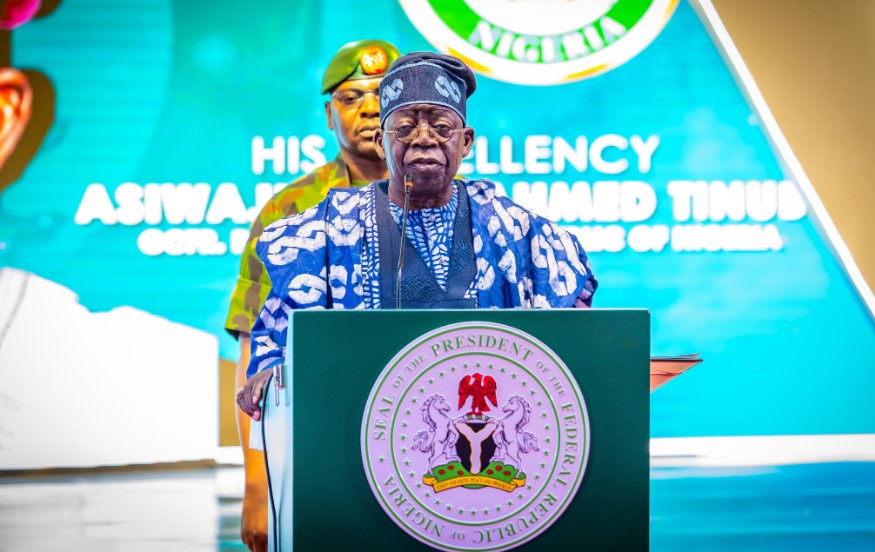
President Bola Tinubu has approved a N3.3 trillion payment plan to settle longstanding debts in Nigeria’s power sector under the Presidential Power Sector Financial Reforms Programme. The approval was disclosed in a statement signed by the President’s spokesperson, Bayo Onanuga, on Sunday.
The move follows a final review of legacy debts that have plagued the sector for over a decade and is expected to stabilize electricity generation and improve service delivery. The debts accumulated between February 2015 and March 2025 were verified before arriving at the agreed settlement figure.
The statement stated that implementation has already commenced, with several stakeholders in the power value chain beginning to receive payments. The Federal Government has raised N501 billion to fund these payments. Out of this amount, N223 billion has been disbursed, with further payments underway.
The Federal Government says the initiative is aimed at restoring confidence in the power sector while ensuring improved electricity supply for Nigerians. Officials noted that the programme goes beyond debt settlement and is part of broader reforms to strengthen the industry.
“This programme is not just about settling legacy debts. It is about restoring confidence across the power sector — ensuring gas suppliers are paid, power plants can keep running, and the system begins to work more reliably,” said Olu Arowolo-Verheijen, Special Adviser on Energy to President Tinubu.
She added, “It is part of a broader set of reforms already underway — including better metering and service-based tariffs that link what you pay to the quality of electricity you receive.”
The government is also prioritising power supply to businesses, industries, and small enterprises, as reliable electricity is critical to creating jobs, supporting livelihoods, and growing the economy. “The goal is simple: more reliable power for homes, stronger support for businesses, and a system that works better for all Nigerians,” Arowolo-Verheijen stated.
The settlement covers debts accumulated over a 10-year period and is being implemented in phases to ensure transparency and accountability. The government has already taken steps to mobilise funds and begin disbursements to affected stakeholders.