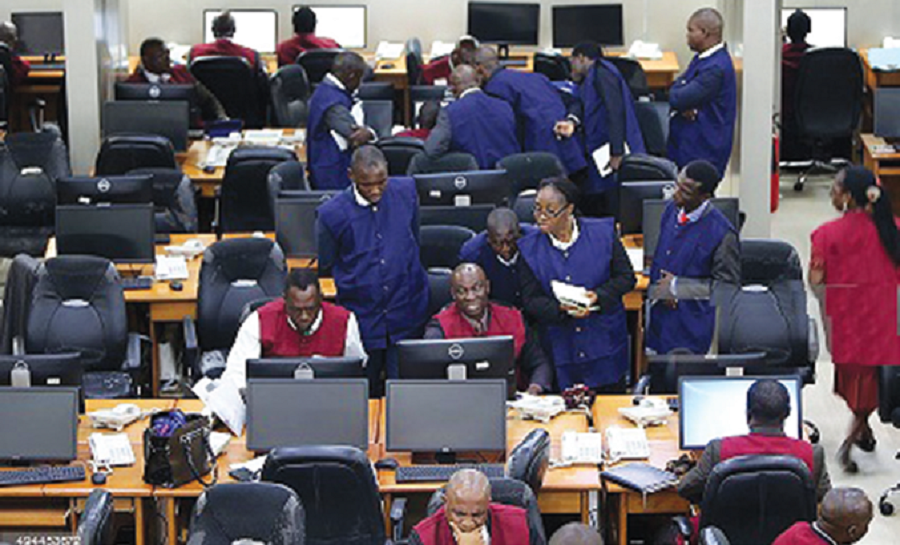
Nigeria's banking sector is poised to enter 2026 with strengthened liquidity positions and a more conducive operating landscape, according to FirstBank CEO, Olusegun Alebiosu. This anticipated improvement is expected to pave the way for increased lending activities across the sector, assuming credit growth is managed effectively.
What you should know
The strength of the Nigerian banking sector is a key indicator of the overall health of the nation's economy. A well-capitalized and liquid banking system is better equipped to support economic growth by providing credit to businesses and consumers. Recapitalization efforts and regulatory reforms in recent years have aimed to bolster the resilience of Nigerian banks.
This projection of a stronger banking sector comes after a period of economic volatility and regulatory changes impacting the financial services industry. Factors such as inflation, currency fluctuations, and adjustments in monetary policy have all played a role in shaping the current banking environment.
Analysis of FirstBank CEO's Statement
The FirstBank CEO's assessment highlights the importance of maintaining adequate liquidity buffers within the banking system. Liquidity refers to the availability of cash and other assets that can be readily converted into cash to meet obligations. Strong liquidity buffers enable banks to withstand unexpected shocks and continue lending even during challenging economic times.
An improving operating environment suggests a more stable and predictable economic climate, which reduces the risks associated with lending. This includes factors such as lower inflation, stable exchange rates, and supportive government policies.
The emphasis on managed credit growth is crucial. While increased lending is desirable to stimulate economic activity, it must be done responsibly to avoid a build-up of non-performing loans, which could undermine the stability of the banking sector.
Implications for the Market
A stronger banking sector in 2026 could have several positive implications for the Nigerian economy. Increased lending could fuel business expansion, job creation, and consumer spending. This, in turn, could lead to higher economic growth and improved living standards.
For investors, a healthy banking sector provides a more stable and attractive investment environment. Bank stocks could become more appealing, and the overall risk profile of the Nigerian financial market could improve.
What to Watch For
Market participants should monitor key indicators such as banks' capital adequacy ratios, non-performing loan ratios, and liquidity ratios to assess the actual strength of the banking sector as 2026 approaches. Any significant deviations from current trends could signal potential risks.
Furthermore, changes in government policies, regulatory frameworks, and global economic conditions could all impact the outlook for the Nigerian banking sector. Vigilance and adaptability will be essential for investors and other stakeholders in the coming years.