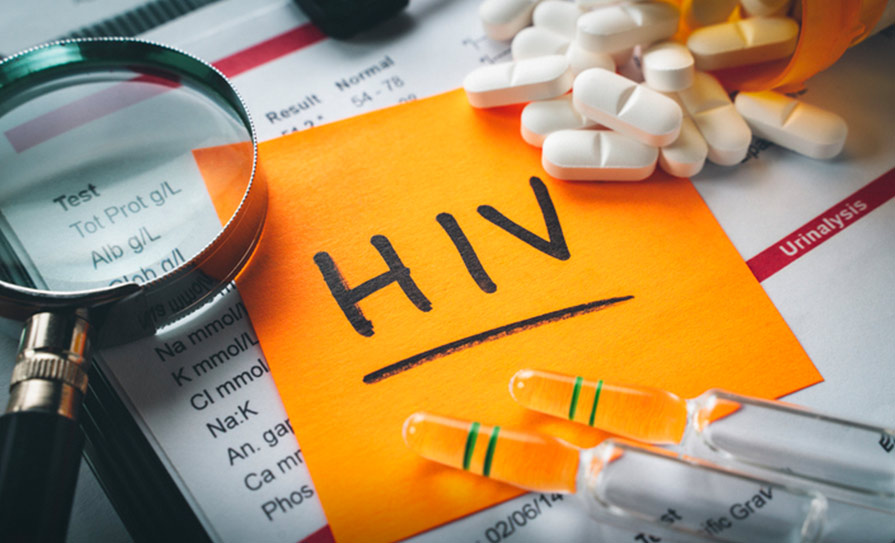
Nigeria's HIV burden continues to surge, with approximately 20,838 HIV-positive cases recorded in the first quarter of 2026, according to the Nigerian National Data Repository (NDR) report. Experts suggest that the availability, accessibility, and affordability of HIV prevention vaccines could significantly control this burden.
A BusinessDay analysis indicates that an estimated N2.4 billion, if used for administering at least two doses of Lenacapavir (LEN) at N58,000 per dose to those who contracted HIV, could have prevented the surge in new cases during Q1 2026. This figure highlights potential missed opportunities in public health spending.
Oyebade Funmilade, an expert in HIV prevention and treatment, stated that many of these cases might have been preventable if vaccines were available and administered. This raises urgent questions about national health priorities, access to care, and the strategic allocation of resources.
Data from 36 states and the Federal Capital Territory (FCT) show Lagos, Nigeria's commercial hub, leading with 2,298 new cases, which would have required an estimated N266.6 million for prevention. Benue followed with 1,949 cases, necessitating an estimated N226 million in prevention costs, reinforcing its status as a high-burden state.
Akwa Ibom, Rivers, and Anambra States also reported significant numbers, with estimated prevention costs ranging between N117 million and N134 million for their respective case counts of 1,159, 1,137, and 1,013. States like Yobe (100 cases), Sokoto (110 cases), and Ekiti (129 cases) recorded fewer cases, with estimated prevention costs between N11.6 million and N14.9 million.
However, public health experts caution that lower reported numbers may not always reflect lower risks, but could indicate gaps in testing, reporting, and healthcare access. Osakpamwan Imasogie, chief executive of Avon Healthcare Limited, emphasized that preventive healthcare is more cost-effective and life-saving than reactive care.
Public health analysts concur, noting that the N2.4 billion estimated for prevention over three months is modest compared to the lifetime costs associated with HIV treatment. Antiretroviral therapy, routine monitoring, and managing infections could multiply this figure significantly if the current infection pace continues.
Nigeria's HIV prevalence has seen a decline, with the national rate now estimated at 1.3 percent among adults aged 15-49, down from the previous 2.8 percent. Despite this progress, the country's overall burden remains substantial, ranking fourth globally and second in Africa behind Namibia.
The Joint United Nations Programme on HIV/AIDS (UNAIDS) and the National Agency for the Control of AIDS (NACA) estimate that approximately 1.9 million Nigerians are currently living with HIV. Gender disparities persist, with women disproportionately affected by the epidemic.