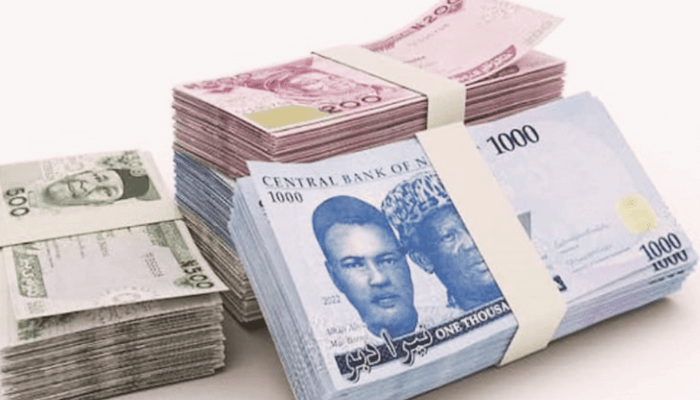
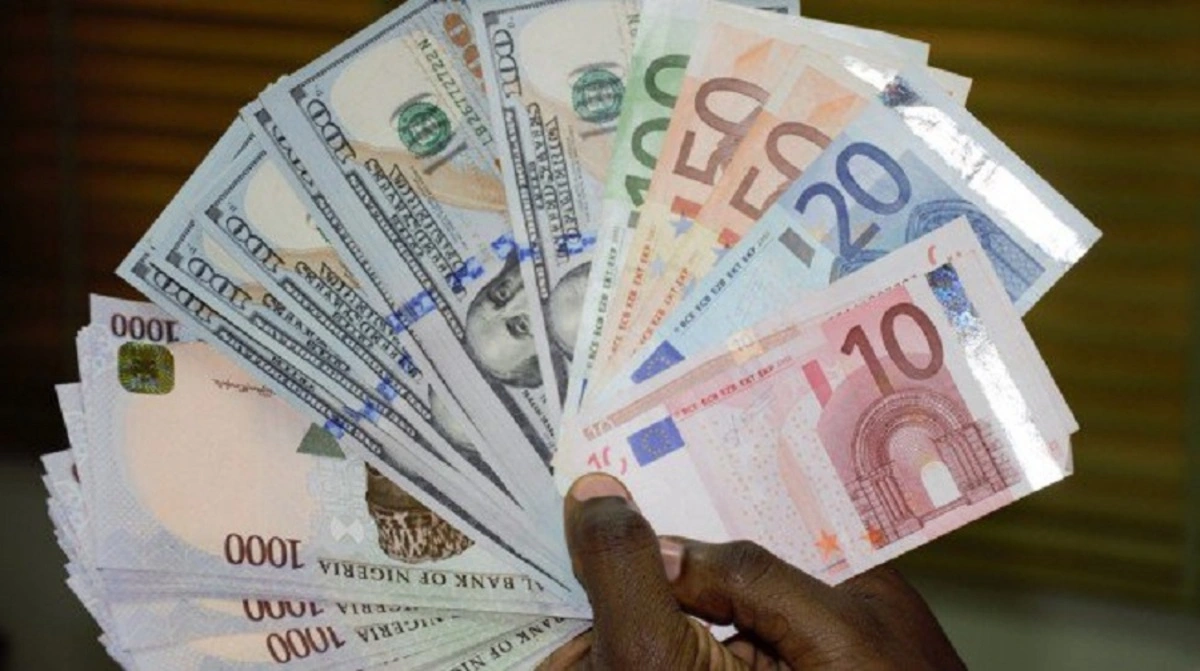
Nigeria's foreign currency-denominated tax receipts surged to N6.33tn in 2025, a significant increase reflecting both the impact of exchange rate volatility and growing contributions from multinational corporations. This figure represents a 27.3 per cent rise from the N4.97tn recorded in 2024.
The analysis of data from the National Bureau of Statistics (NBS) indicates a growing reliance on foreign-currency-linked tax inflows. These collections are bolstered by the expanding activities of foreign and export-oriented companies operating within Nigeria.
Foreign currency tax payments accounted for a substantial share of total tax collections for Value Added Tax (VAT) and Company Income Tax (CIT). In 2025, total VAT collections reached N8.61tn, up from N6.72tn in 2024, while CIT collections grew from approximately N7.66tn in 2024 to N9.22tn in 2025. Combined, these two tax heads amounted to about N17.83tn in 2025.
The N6.33tn collected in foreign currency terms represents approximately 35.5 per cent of the total tax receipts from VAT and CIT. This highlights that over one-third of government earnings from these taxes are now tied to foreign-currency transactions.
Within VAT collections, the category for “other payment channels, including naira equivalent of VAT paid in foreign currency,” saw an increase from N1.83tn in 2024 to N2.10tn in 2025. This segment captures VAT payments associated with foreign-currency transactions, particularly in sectors like telecommunications, oil and gas, financial services, and digital platforms with cross-border operations.
Similarly, Company Income Tax paid in foreign currency saw a notable rise, increasing from N3.14tn in 2024 to N4.23tn in 2025. This category primarily includes taxes paid by companies earning revenue in foreign currencies, such as multinational corporations, oil producers, and exporters.
The CIT data exhibited considerable quarterly fluctuations. In the first quarter of 2025, foreign-currency CIT stood at N1.34tn, followed by a sharp decline to N469.36bn in the second quarter. It then recovered to N1.75tn in the third quarter before moderating to N668.21bn in the fourth quarter.
Overall, total taxes paid in foreign currency demonstrated a strong start to 2025, rising from N1.03tn in the first quarter of 2024 to N1.79tn in the first quarter of 2025. However, the second quarter of 2025 experienced a dip to N929.30bn, followed by a peak of N2.43tn in the third quarter and a subsequent decrease to N1.17tn in the fourth quarter.
The escalating share of foreign-currency tax receipts coincides with Nigeria's exchange rate reforms and the move towards a more market-reflective currency regime. This policy shift has amplified the naira value of foreign-denominated transactions, consequently boosting tax collections when converted into the local currency.
The NBS data also indicated growth in domestic tax collections. Local VAT collections, excluding imports, increased from N3.30tn in 2024 to N4.48tn in 2025, suggesting steady expansion in domestic consumption. VAT collected on imports by the Nigeria Customs Service also rose from N1.59tn to N2.03tn over the same period.
On the CIT front, local company income tax payments grew from N3.40tn in 2024 to N4.99tn in 2025, potentially indicating improved corporate profitability or enhanced tax compliance among domestic firms.
However, the comparatively faster growth observed in foreign-currency tax components relative to local sources underscores a structural shift in Nigeria’s tax base. This shift points towards an increasing importance of sectors with significant foreign-exchange exposure in the nation's revenue generation.