First Bank of Nigeria Limited is demonstrating a strong commitment to environmental stewardship and social inclusion, earning it the title of Nigeria’s Best Bank for ESG for the second consecutive year at the 2025 Euromoney Awards.
The bank's sustainability efforts are multifaceted, extending from environmental conservation to social empowerment and accessibility.
Environmental Stewardship
A significant environmental initiative by FirstBank is its ambitious tree-planting campaign, which concluded in November 2025 with a total of 50,000 trees planted across Nigeria. This three-year campaign, executed in collaboration with the Nigerian Conservation Foundation (NCF), was aligned with the Paris Agreement and Nigeria’s Green Recovery Plan.
The initiative began in 2023 with 1,000 trees and expanded to 30,000 trees in 2024, with the final 20,000 trees planted during the 2025 CR&S Week. These trees are projected to absorb approximately 720 tonnes of CO₂, contributing to biodiversity and climate resilience.
Beyond tree planting, FirstBank has made substantial investments in renewable energy. The bank has allocated over $9 million to solar home projects throughout Africa and committed more than N15 billion towards the development of modular power plants. These investments aim to reduce reliance on fossil fuels and improve energy access.
Social Inclusion and Accessibility
FirstBank's sustainability framework also prioritizes social impact, particularly through its gender inclusion strategy. In 2024 alone, the bank disbursed over ₦43 billion via its FirstGem loans to support women-led businesses. Furthermore, more than 2,000 female employees have benefited from leadership development programs facilitated by the FirstBank Women Network, addressing gender disparities in management roles.
A notable upcoming initiative focuses on enhancing accessibility for visually impaired and physically challenged customers. This program, to be rolled out across all subsidiaries in phases, will introduce braille transaction documents, audio-format brochures, ATMs equipped with voice-prompt commands, and cards featuring tactile motifs.
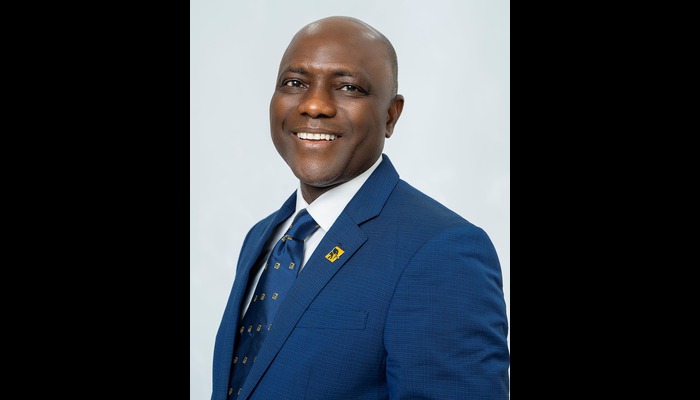
“Everyone deserves access to financial services whether physically or digitally,” stated Patrick Akhidenor, Chief Risk Officer and Chairman of the Sustainability Committee, highlighting the bank's commitment to inclusive banking standards in Nigeria.
Broader Sustainability Framework
FirstBank's sustainability strategy is built upon three core pillars: education, health and welfare; diversity and financial inclusion; and responsible lending, procurement, and climate initiatives. The bank has actively screened 340 corporate transactions for Environmental, Social, and Governance (ESG) risks.
Additionally, over 9,000 employees have received training in sustainability practices. Through its educational programs, FirstBank has successfully imparted financial literacy skills to more than one million students.
As CEO Olusegun Alebiosu remarked, “We are not just placing seedlings into the ground; we are sowing seeds of hope, renewal, and sustainability.” This approach underscores FirstBank's dedication to long-term impact and responsible corporate citizenship.