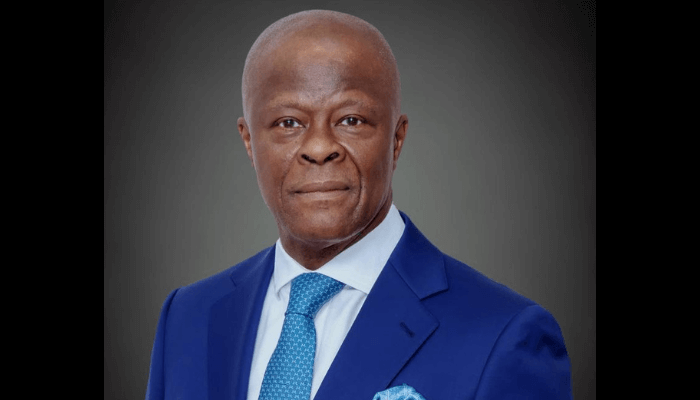
The federal government has announced a significant initiative to enhance energy access within Nigeria's tertiary education sector. Minister of Finance and Coordinating Minister of the Economy, Wale Edun, revealed plans to equip 50 tertiary institutions with off-grid solar power systems.
Edun made this disclosure during a press briefing following the formalisation of a partnership agreement between Nigeria and the Islamic Development Bank in Lagos. The initiative is designed to provide a consistent and reliable power supply, particularly for hostels and other campus facilities.
“We have an initiative that is made for about 50 tertiary institutions to be powered by off-grid solar, so they can have a hybrid of the grid and off-grid solar, which means they have power 24-7,” Edun stated.
Beyond electricity, the government's plan extends to providing essential utilities such as water and improving internet connectivity. These enhancements are intended to create a more conducive environment for students to study and access resources at any time.
This development comes at a critical time for Nigerian public universities, which have been severely impacted by escalating electricity tariffs and inconsistent power supply. The erratic energy situation has hampered teaching, research activities, and overall campus life.
Students have voiced their frustrations over the poor state of facilities, citing frequent cancellations of laboratory sessions and limited internet access due to power outages. A postgraduate student from the University of Ibadan described research as a “nightmare,” reflecting the broader challenges faced by students.
Stakeholders view the federal government's investment in off-grid solar energy as a crucial intervention for the education sector. They believe these impactful projects are precisely what the nation needs to address infrastructure deficits.
The initiative aims to lessen dependence on the unstable national grid, reduce operational costs for institutions, and foster a better learning atmosphere on campuses nationwide.
Speaking on broader engagements with the Islamic Bank Group, Edun highlighted Nigeria's need for large-scale infrastructure projects in roads, rail, and ports. He also noted the bank's potential role in addressing social sector challenges, including social protection and safety nets, underscoring that interventions extend beyond profit-making ventures to include social, health, and educational sectors.
The Minister reiterated that such partnerships are vital investments that boost productivity, drive economic growth, create jobs, and ultimately reduce poverty, aligning with President Bola Tinubu's macroeconomic agenda.